Mixed Water Center

Mixed Water Center Manufacturers Factory Suppliers


We specialize in producing all kinds of mixed water center products, mainly thermostatic mixing valve, water mixing pump with pump, underfloor manifold water mixing pump, mixing water system for underfloor heating, mixing units for underfloor heating manifold, etc.


Our products sell well in mainstream markets such as Europe, North America, Japan, South America, Oceania, and Asia. We have established long-term cooperative relationships with customers around the world, allowing customers around the world to buy high-quality products and enjoy excellent customer service.


Company Advantages
 

High Quality Products

We employ premium raw materials in the production of our items, ensuring superior durability, extended operational lifespan, and heightened precision characteristics.

Complete Product Qualifications

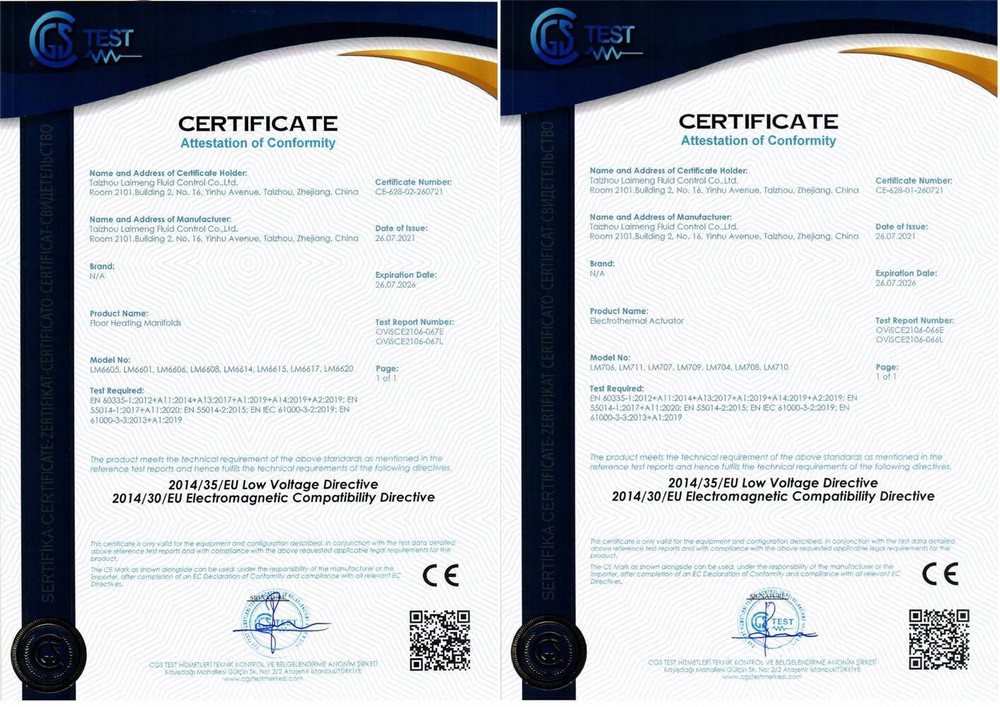
Our products all have passed test of ISO, CE, etc. The quality of our products is highly praised by customers. All of our products comply with international quality standards and are greatly appreciated in a variety of different markets throughout the world.

24-Hours Online

Our multi-lingual sales staff will provide you with 24/7 hours online service, and use their rich industry experience and powerful product database to solve your doubts about product specifications, usage and design.

Competitive Price

We provide competitive price and excellent customer service for all our customers. We also can offer different discounts based on your order quantity.

Free Samples

We can provide samples for free, and customers pay the freight. If the sample value is relatively expensive, some sample fees may be charged.

Fast Delivery

Large amounts of raw materials and advanced technology allow us to quickly meet the needs of wholesale orders and reduce customers' waiting time.


First 12 Last 1/2
Introduction to Mixed Water Center


A mixed water center is a device that controls the temperature of water that circulates through a floor-heating system. It mixes hot water from a boiler with cooler water from a return pipe to achieve the desired temperature.


The mixed water center adjusts the temperature of the high-temperature water provided by the wall-hung boiler through a thermostat and a regulating valve. It converts it into low-temperature water required for floor heating.

Types of Mixed Water Center

Thermostatic Mixing Valve

A thermostatic mixing valve (TMV) is a fitting that mixes hot and cold water to maintain a constant water temperature. TMVs are installed in showers, sinks, faucets, and other plumbing fixtures.
Thermostatic Mixing Valves are an essential part of pipework that protects users from being scalded. Water above 50 °C (122 °F) can cause scald injuries.

Mixing Water System for Underfloor Heating

A mixing water system for underfloor heating mixes hot water from a boiler with cooler water from a return pipe. The mixing valve in the system controls the temperature of the mixed water that is then distributed to the floor heating system.
The mixing valve automatically adjusts the proportion of low-temperature water and high-temperature water flow in the ground heating pipes after heat dissipation. This achieves a constant supply water temperature.

Angle Type Brass Ball Valve with Thermometer
Constant Temperature Mixed Water Center

Underfloor Manifold Water Mixing Pump

An Underfloor Manifold Water Mixing Pump is a system that distributes hot or cold water to each underfloor heating zone. It connects the underfloor heating pipework to the heat source and directs water to each tube at the correct flow rate.

Constant Temperature Mixed Water Center

A constant temperature mixed water center mixes water from a hot water inlet and a cold water inlet to create a constant temperature. At the mixed outlet of a thermostatic mixed water valve, a thermal element is installed to promote the movement of the valve core.
Thermostatic mixing valves can ensure a constant outlet water temperature, even if the temperature of the hot or cold water supply changes. They also allow water heaters to operate at higher temperatures, which can extend the effective system flow rate and prevent the growth of Legionella.

Advantages of Mixed Water Center


Thermostatic Mixing Valve
A thermostatic mixing valve (TMV) is a fitting that mixes hot and cold water to ensure a safe and constant temperature at the shower or bath outlet. This prevents scalding and is an essential part of the pipework.
Thermostatic mixing valves (TMVs) have several advantages, including:
Precise temperature and pressure: Thermostatic Mixing Valves mix hot and cold water to maintain a precise temperature and pressure, even when the inlet temperatures or pressures change over time.
Prevents scalding: Thermostatic Mixing Valves mix the right amount of hot and cold water before it reaches the outlet, preventing scalding. This can be a safety precaution for homes with children or elderly people.
Maintains a consistent temperature: Thermostatic Mixing Valves maintain a consistent water temperature for the duration of a shower, even if other appliances or taps are used.
Direct control over output temperature: Thermostatic Mixing Valves allow you to set a maximum output temperature for the water coming out of the shower head.
Regulates electrical power: Thermostatic Mixing Valves can regulate the amount of electrical power that enters an HVAC system to prevent electrical damage.


Mixing Water System For Underfloor Heating
A mixing water system for underfloor heating mixes warm water from the heat source with cooler water returning from the floor heating system. This regulates the supply temperature for the floor heating system to the desired temperature.
Mixing water system for underfloor heating have several advantages, including:
Made-to-match manifolds: The dimensions of the manifolds and mixing shunts match exactly, so that you can establish a low-temperature floor heating distribution unit according to your needs.
Compact dimensions: The dimensions of both the mixing shunts and FH manifolds establish a very compact distribution unit which can be fitted into small spaces.
Pre-assembled midishunt: The easiest way to establish a small floor heating system. It only requires connection to the main supply and return pipe and assigning one or more CF2+ room thermostats to control the room temperature.


Underfloor Manifold Water Mixing Pump
Here are some advantages of underfloor manifold water mixing pump:
Central control: Manifolds can provide central control for filling, draining, isolation, hydraulic balancing, flow, and temperature control. This can reduce installation, commissioning, and maintenance time.
Control multiple zones: Underfloor heating manifolds can control multiple zones at once, allowing each zone to be warmed to a different temperature.
Mixing unit: The mixing unit blends heated water from the primary heating circuit with cooler water from within the floor circuits. This allows for optimized water temperature regulation between 20–60 degrees Celsius.
Reduce energy consumption: The pump group underfloor heating circuit mixing distributor can help reduce energy consumption by regulating the temperature of the water used to heat the floor.


Constant Temperature Mixed Water Center
Constant temperature mixed water center have several advantages, including:
●Safety: Constant Temperature Mixed Water Center prevent scalding by mixing the right amount of hot and cold water before it reaches the outlet. This is a smart safety precaution if you have children or elderly individuals in your household.
Constant temperature: Constant Temperature Mixed Water Centers ensure a constant outlet water temperature, even with variations in hot or cold water supply temperature.
Higher water heater temperatures: Constant Temperature Mixed Water Centers allow the water heater to be operated at higher temperatures. This extends the effective system flow rate and prevents the growth of Legionella.
Lower return temperatures: Lower return temperatures and longer cycles produce higher system efficiency.

Applications of Mixed Water Center
Brass Water Pre Filter
 

Thermostatic Mixing Valve

Thermostatic Mixing Valves are an important part of any hot water system. They maintain the temperature of the mixed water supplied to the user, despite variations in the hot and cold water supply conditions. This helps reduce the time spent adjusting for the right water temperature.
Thermostatic mixing valves (TMVs) are used in residential, commercial, and industrial applications to ensure a constant outlet temperature. They are designed for use in single units, wash hand basins, bathtubs, and showers.
Thermostatic Mixing Valves are commonly used in the following sectors:Health care, Schools, Residential care services, Restaurants, Nursing homes, Preschools, Hospitals.

Brass Drain Valve for Water Heater
 

Mixing Water System For Underfloor Heating

Mixing Water System For Underfloor Heating are used in residential and commercial buildings to control water temperature in floor heating systems. They can provide an efficient and comfortable way to heat a building.
Here are some applications of mixing water systems for underfloor heating:
●These units combine areas heated by underfloor heating with areas where radiators are installed. This allows for high-temperature water to flow in the radiator area and low-temperature water to flow in the underfloor heating area.
●These valves provide a simple solution for delivering lower supply water temperatures to a radiant floor heating system. They mix the flow from the boiler with the return from the underfloor heating system to provide the correct mixed temperature for the heating loops beneath the floor.
●These valves regulate the temperature of water in the system. They also increase the return temperature to the boiler, which makes the boiler more resistant to corrosion.

Brass forged Manifolds
 

Underfloor Manifold Water Mixing Pump

Underfloor Manifold Water Mixing Pumps are the control hubs for underfloor heating (UFH) systems. They distribute water from the heat source to the UFH circuits, which are loops of pipe that run under the floor. Warm water enters the manifold and mixes with cold water to reach a safe temperature.
Underfloor manifold water mixing pumps are used in residential and commercial radiant heating and cooling systems. These systems include: Radiant heating, Snow and ice melt systems, Soil conditioning, Radiant cooling.

Brass Manifold for Heating System
 

Constant Temperature Mixed Water Center

Constant temperature mixed water centers are often used in residential and commercial buildings to control the water temperature in floor heating systems. These systems are an efficient and comfortable way to heat a building.
Here are some other applications of constant temperature mixed water:
Anti-burns constant temperature mixed water valve: These valves can be used for hot or cold water, manifold for floor heating, heating systems, mix water systems, and construction materials.
Space and water heating: Constant temperature water can be used for space and water heating without requiring an inlet water supply.
Cooling applications: Constant temperature water baths can be used for cooling applications.

Installation Steps for Mixed Water Center

A floor-heating mixed water center is a device that controls the temperature of the water that is circulated through a floor-heating system. This device mixes hot water from a boiler with cooler water from a return pipe to achieve the desired temperature. The mixed water is then distributed to the floor heating system. Here's a step-by-step tutorial on how to install a Mixed Water Center:

Gather the necessary tools and materials. You will need a floor heating mixed water center, a boiler, a return pipe, a supply pipe, and various plumbing tools and accessories.

Determine the location of the mixed water center. The center should be installed in a location that is easily accessible and close to the boiler and floor heating system.

Install the mixed water center. The center should be installed on a sturdy surface, such as a concrete slab, and secured with bolts or screws. Connect the supply pipe and return the pipe to the mixed water center.

Connect the mixed water center to the boiler. Use a pipe wrench to connect the hot water outlet from the boiler to the mixed water center.

Connect the mixed water center to the floor heating system. Use a pipe wrench to connect the mixed water outlet to the distribution manifold for the floor heating system.

Test the system. Turn on the boiler and allow it to heat up. Use a thermometer to check the mixed water temperature at the outlet of the mixed water center. Adjust the temperature using the mixing valve until the desired temperature is reached.

 
Maintenance Tips for Mixed Water Center

If the mixed water center is not reaching the desired temperature, check the mixing valve and adjust it as needed.


Check for leaks in the pipes and fittings and repair them as needed.


Check the boiler and floor heating system for any issues affecting the performance of the mixed water center.


If the mixed water center is too high, it may be due to a malfunctioning temperature sensor or a faulty mixing valve. Check these components and replace them if necessary.


If the mixed water center is too low, check the hot water supply from the boiler and ensure that the boiler is functioning properly.


If the mixed water center is not operating, check the power supply and ensure that the control panel is functioning properly. Check the fuses and circuit breakers as well.


It's important to perform regular maintenance on the floor heating mixed water center to ensure its continued operation. This includes cleaning the mixing valve and sensors, checking for leaks, and inspecting the pipes and fittings for any signs of wear or damage.


Certifications


productcate-1414-1000

 
Our Factory
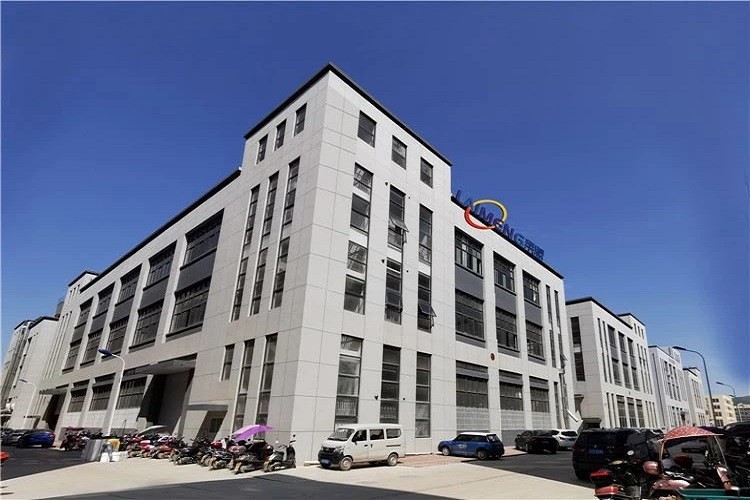
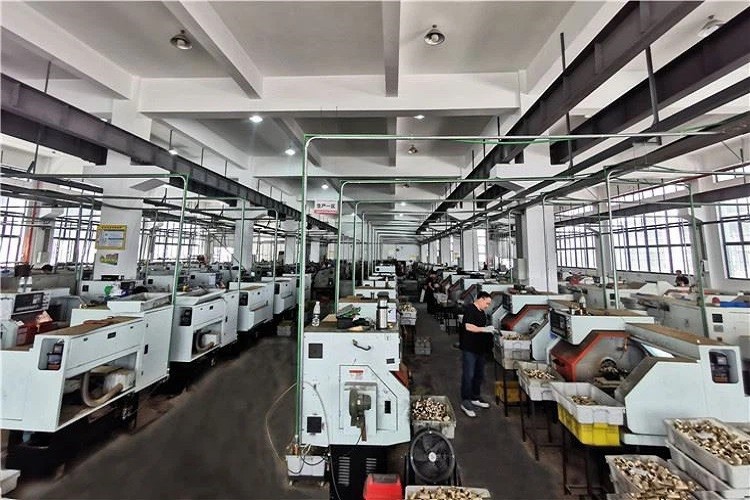
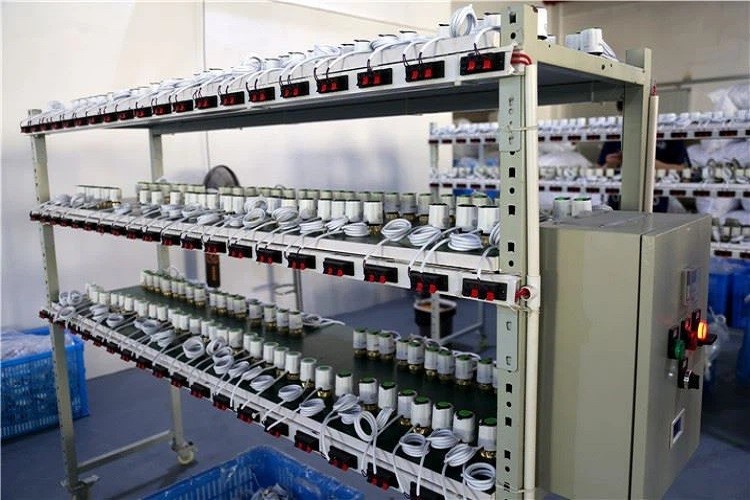
We are a full-service company providing complete design, R&D, production and sales services. Our production workshop is equipped with the most advanced equipment, and are committed to providing customers with the best products and services.
 
productcate-750-500
productcate-1-1
productcate-750-500
productcate-750-500
Frequently Asked Questions

Q: How mixed water center works?

A: The mixed water center works by mixing hot water from a boiler with cooler water from a return pipe. The mixing valve in the center controls the temperature of the mixed water that is then distributed to the floor heating system. The temperature is adjusted by opening or closing the mixing valve to allow more or less hot water to flow into the mixing chamber.

Q: What are the installation tips for mixed water center?

A: Installation Tips for Mixed Water Center:
●Make sure to use the correct size pipes and fittings for your system.
●Follow the manufacturer’s instructions for installation and use.
Install the mixed water center in a location that is easily accessible for maintenance and repair.

Q: What are the disadvantages of thermostatic mixing valve?

A: Thermostatic mixing valves (TMVs) have several disadvantages, including: 
●Cost: TMVs can be more expensive to install than regular faucets and showers.
●Maintenance: TMVs require regular maintenance to ensure they function properly.
●Lifespan: TMVs have a limited lifespan, like any mechanical device. They typically have a lifespan of 5–6 years.
●Temperature limitations: Water temperatures around 60°C can severely burn young children's skin within five seconds. Water temperatures of 49°C, which are common in most households, can cause serious burns within two minutes.
●Malfunctions: If the valve can't regulate temperature correctly, it might not be able to cool hot water down enough to make it safe. A failing TMV can also make the water too cold or cause the water to not run at the right temperature consistently.
●Water pressure issues: If the mixing valve becomes stuck or wears out, this malfunction can disrupt water pressure in your shower.
●Adjustment: Adjustable thermostatic mixing valves can be difficult to adjust.
●Failure: TMVs typically fail gradually and, in doing so, tend to allow more hot water through them.

Q: How the underfloor heating manifold works?

A: An underfloor heating manifold is a system that connects the heat source to the underfloor heating pipes. The manifold regulates the temperature of the incoming water and then pumps the water through the floor circuits. 
Here's how an underfloor heating manifold works: 
●The manifold connects to the heat source with a flow and return pipe.
●The pump in the manifold circulates the warm water from the heat source through the flow pipe into the manifold.
●The manifold regulates the temperature of the incoming water using the mixing unit.
●The manifold blends the incoming water with colder return water to create a controlled flow temperature.
●The manifold pumps the warm water through the floor circuits.
●The water transfers heat to the floor slab and then returns to the manifold.
●The water either returns to the boiler for heating or it's recycled back into circulation.

Q: What are the advantages of underfloor heating manifold?

A: Underfloor heating manifolds have several advantages, including: 
●Temperature and pressure regulation: Manifolds regulate the temperature and pressure of the underfloor heating system.
●Water distribution: Manifolds distribute water from the primary heat source to each underfloor heating circuit. 
●Temperature maintenance: Manifolds control the flow of hot water throughout the system to maintain a comfortable and even temperature. 
Noise minimization: The continuous loops of pipe in an underfloor heating system promote the smooth flow of water, which minimizes running noise.

Q: Why is the thermostatic mixing valve not working?

A: A thermostatic mixing valve (TMV) may not be working for a number of reasons, including: 
Mineral and sediment buildup: Over time, minerals and sediment can build up in the valve, which can obstruct the flow of water and reduce pressure. To fix this, you can clean or replace the valve.
Leaks or drips: Leaks or drips from the valve itself can indicate a problem. If you notice water pooling on the floor, it might indicate a corrosion or sealing problem.
Incorrect water temperature: If a TMV valve stops working correctly, the hot water may start to run hotter than it should.
Incorrect water flow: The water may not flow normally.

Q: What are the faults of thermostatic mixing valve?

A: Thermostatic mixing valves (TMVs) can have a number of faults, including: 
●Water temperature: The water temperature may be incorrect, or the water may suddenly run hotter than it should.
●Water flow: The water may not flow normally.
●Leaks or drips: Leaks or drips from the valve itself may indicate a problem. Water pooling on the floor may indicate a corrosion or sealing problem.
●Water heater issues: A jammed TMV may cause the water to get excessively hot, which can overheat the water heater tank and possibly cause it to burst.
●Water pressure: A stuck or worn-out TMV can disrupt water pressure in a shower.
Fluctuating water temperatures: Random dips and rises in temperature can be a common issue.

Q: What causes the thermostatic mixing valve to leak?

A: Here are some possible causes of a leaking thermostatic mixing valve: 
●Faulty valve stem: A worn or damaged valve stem can cause a leaking valve.
●Scale or debris: Over time, scale and debris can build up in the valve, which can lower water pressure and eventually cause the valve to fail.
●Old or rusted valve: An old, rusted valve may need to be replaced.
●High water pressure: A water heater's pressure may be too high if the T&P valve is leaking. This could be due to the temperature being too high or sediment buildup in the tank.
●Water heater temperature: If the water heater is heating the water too much, the excessive pressure may cause the T&P valve to leak.
●Corrosion or sealing problem: Water pooling on the floor may indicate a corrosion or sealing problem.

Q: What is temperature control valve?

A: A temperature control valve (TCV) is a specialized valve that regulates temperatures in industrial piping systems. They are used to control fluid temperatures in turbines, compressors, and engine jacket water and lubrication oil cooling systems. 
TCVs are designed to control the temperature of a process by controlling thermal fluid pressure or flow in boilers, furnaces, hot water tanks, and refrigerators. They can also be found on underground pipelines for natural gas distribution. 
TCVs are similar to other control valves, but they help to maintain the temperature of a desired process at a specific level. They typically consist of two distinct parts, a temperature regulating element and a control valve body. 

Q: What is mixing water center?

A: A mixing water center adjusts the temperature of hot water from a boiler to create low-temperature water for floor heating. It works by mixing hot water from the boiler with cooler water from a return pipe. The mixing valve in the center controls the temperature of the mixed water, which is then distributed to the floor heating system.

Q: What is water mixing pump?

A: A water mixing pump, also known as an air water mixing pump or water compressor, pushes water into a container. 
A water mixing pump can be used as small water compressors, or pushes, into compressed air by a compressed air. This water can be mixed with water, in that form, a compressed air, or pushes, into compressed air.

We're well-known as one of the leading mixed water center manufacturers and suppliers in China. If you're going to wholesale bulk mixed water center with competitive price, welcome to get quotation from our factory. Also, customized service is available.

thermostatic blending valve, master thermostatic mixing valve, thermostatic mixing valve 15mm

(0/10)

clearall