Brass Automatic Air Vent Valve

What is Brass Automatic Air Vent Valve


Brass air vent valve is one type of valves that are used to control airflow in pipelines. There are manual and automatic types of valves that are used in general and high pressure air circulation systems.

Benefits of Brass Automatic Air Vent Valve


Durability
Brass air vent valves are known for their supreme durability and resistance to corrosion which makes them ideal for air vent valves. These brass air vent valves aredurable and require lesser replacements as compared to valves composed of other materials. Thus, brass air vent valves offer reliable performance to piping systems.


Corrosion Resistance
The major benefit of using brass air vent valves is their excellent corrosion resistance. These valves are constantly exposed to the atmosphere and water and can withstand corrosion. Due to its corrosion-resistant properties, brass air vent valve manufacturers are getting huge orders from customers. These values ensure smooth and efficient functioning in harsh conditions.


Heat Resistance
These brass air vent valves have excellent heat resistance and can withstand high temperatures with their excellent performance. Due to its heat resistance, these brass valves are suitable for a wide range of heating systems.


Efficient
Heat exchange requires proper and adequate air ventilation for the excellent performance of the heating or cooling system. Therefore, installing brass air vent valves ensures proper ventilation and air is released effectively and prevents issues like water hammer. Thus, excellent efficiency will increase the performance of the system, help in saving energy, and reduce operating costs.


Easy to Maintain
These brass air vent valves are easy to install and maintain. Thus, their durable nature reduces the continuous repairs or replacements. These brass valves are easy to clean and don' t require clearing agents for cleaning. Therefore, these valves require maintenance hassle-free. Due to easy maintenance, these valves are extremely demanded in several industries.


Why Choose Us
 

Customer service

We firmly believe that we offer THE BEST customer support in the industry and it is our ongoing goal to continually improve on our services. As an independently owned and operated business, we are able to provide the most accommodating service possible.

Professional Team

We have a team of skilled and experienced professionals who are well-versed in the latest technology and industry standards. Our team is dedicated to ensuring that our customers get the best service and support possible.

High quality products

We always put customer needs and expectations in the first place, refine on, continuous improvement, to seek every opportunity to do better, to provide customers with their expectations of quality products, to provide customers with the most satisfactory service at anytime.

Advanced equipment

We take great measures to ensure that we work with the industry' s highest quality equipment and that our equipment is regularly and meticulously maintained.

Efficient and convenient

The company has established marketing networks around the world to provide high-quality services to customers in an efficient and convenient manner.

Competitive Prices

We offer our products at competitive prices, making them affordable for our customers. We believe that high-quality products should not come at a premium, and we strive to make our products accessible to all.

Automatic Air Vent Valve Market Overview


The Automatic Air Vent Valve Market size is expected to develop revenue and exponential market growth at a remarkable CAGR during the forecast period from 2023–2030. The growth of the market can be attributed to the increasing demand for Automatic Air Vent Valve owning to the Oil & Gas, Power Generation, Water Treatment, Chemical, Others Applications across the global level. The report provides insights regarding the lucrative opportunities in the Automatic Air Vent Valve Market at the country level. The report also includes a precise cost, segments, trends, region, and commercial development of the major key players globally for the projected period.


The Automatic Air Vent Valve Market report represents gathered information about a market within an industry or various industries. The Automatic Air Vent Valve Market report includes analysis in terms of both quantitative and qualitative data with a forecast period of the report extending from 2023 to 2030. The report is prepared to take into consideration various factors such as Product pricing, Product or services penetration at both country and regional levels, Country GDP, market dynamics of parent market & child markets, End application industries, major players, consumer buying behavior, economic, political, social scenarios of countries, many others. The report is divided into various segments to offer a detailed analysis of the market from every possible aspect of the market.


The overall report focuses on primary sections such as – market segments, market outlook, competitive landscape, and company profiles. The segments provide details in terms of various perspectives such as end-use industry, product or service type, and any other relevant segmentation as per the market' s current scenario which includes various aspects to perform further marketing activity. The market outlook section gives a detailed analysis of market evolution, growth drivers, restraints, opportunities, and challenges, Porter' s 5 Force' s Framework, macroeconomic analysis, value chain analysis and pricing analysis that directly shape the market at present and over the forecasted period. The drivers and restraints cover the internal factors of the market whereas opportunities and challenges are the external factors that are affecting the market. The market outlook section also gives an indication of the trends influencing new business development and investment opportunities.

Installation of Brass Air Vent Valve
 

Perfect installation is complicated for the operation of air vent valves. These valves are designed to exile air from the piping system; they should be located where the air is most likely to collect. You should install them at system high points in the vertical position with the inlet down.


The air vent valves remove the air that gathers in heating and air conditioning systems. Due to the powerful presence of oxygen inside the piping, galvanic corrosion occurs. This corrosion effect can be reduced by using brass. Moreover, these valves permit the adjustment of the heating and cooling power. They avoid the creation of air pockets inside radiators and fan coil units. The air vent valves have to be installed in a vertical position only. These should be set on top of each system. It would be easily identified whether the air pockets are formed by checking distribution manifolds, riser pipes, etc. The airflow of these valves increases following the working pressure of a system. When the pressure rises to 6 bar, the airflow increases to a maximum. The presence of air in a heating system causes a fall in its efficiency.

Nickel Plated Brass Air Vent Valve
 
Testing Air Vent Valves
 
01/

Safety First
Before beginning the test, ensure that you wear appropriate safety gear, including gloves and safety goggles. Make sure the system is turned off and depressurized to prevent any accidents.

02/

Visual Inspection
Start by visually inspecting the air vent valve
Check for any signs of physical damage, corrosion, or leakage.
Ensure that the venting outlet is not clogged with debris or dirt.

03/

Manual Release Mechanism Test
Many air vent valves have a manual release mechanism (a small knob or screw) that allows you to manually release the air.
Gently turn or press this mechanism.
You should hear air being released. If not, the valve might be clogged or faulty.

04/

Operational Test
For this test, you' ll need to operate the system
Turn on the system, and let it reach its normal operating pressure.
Observe the valve. It should release trapped air as the system operates. If the valve continuously releases air or doesn' t release any at all, it may be malfunctioning.

05/

Pressure Test
This test is to ensure the valve operates under the correct pressure conditions
Using a pressure gauge, check the system' s pressure near the valve.
Compare it with the valve' s rated operating pressure. If the system' s pressure is within the valve' s operational range (below 10 bar, as per the provided specifications) and the valve is not functioning correctly, it might be faulty.

06/

Temperature Test
Since the maximum operational temperature is 110°C, ensure the fluid' s temperature within the system doesn' t exceed this. A temperature gauge can help monitor this. Overheating might cause valve malfunction.

Air Release Valves (Sizing and Selection)


Nickel Plated Brass Air Vent Valve

The air release valve is the workhorse of air and vacuum valves automatically letting air out from the system high points all the time while under pressure during system operation. Clean water can typically contain 2% air, while wastewater contains about 6%. Air is compressible in the piping system while water is not, and as a result of the changes in pressures in the system, it will come out of solution. The air will accumulate in the high point of the piping system, causing higher flow restriction, which leads to higher operational costs. Also, if air is not properly vented out from the piping system, you may have water hammer and higher corrosion and maintenance costs.


Air release valves are also referred to as small orifice valves due to their smaller orifice size in comparison to air/vacuum valves. They are typically connected to a compounded hinged float mechanism versus a simple float seat operation in the air/vacuum valves. This is how air release valves get their hydro mechanical advantage to open/close and vent air under pressurized system operation.


Sizing an air pressure relief valve can be a challenging task without a little background knowledge and experience. The above example of a 12-inch pipe with a flow rate of 3,000 gpm, falls in the table between the range of 2,001-5,000 gpm, indicating a 2% air release factor. Use that and the formula below to calculate air discharge rate in cfm.

Efficiently Control Air Pressure with a Brass Air Vent Valve


The brass air vent valve is a small, yet powerful tool that plays a vital role in regulating the pressure in a system. It is commonly used in HVAC (Heating, Ventilation, and Air Conditioning) systems, process industries, and other applications where maintaining precise air pressure levels is critical.


One of the key advantages of using a brass air vent valve is its durability and resistance to corrosion. Brass, a copper-zinc alloy, is known for its strength and resistance to rust, making it an excellent choice for long-term use. This durability ensures that the air vent valve can handle varying temperatures, different operating conditions, and corrosive environments.


Efficiency is another paramount benefit associated with brass air vent valves. These valves are designed to quickly and effectively release excess air or gas from a system, thus preventing pressure build-up. By doing so, the valve allows for the safe and optimal functioning of equipment and reduces the likelihood of leaks and damages caused by high pressure.


Moreover, brass air vent valves are known for their excellent sealing capabilities. With their high-quality sealing materials, such as rubber or Teflon, they effectively prevent any air or gas leakage when the system is pressurized. This ensures that the desired pressure level is maintained consistently, reducing energy waste and enhancing overall productivity.


Another advantage of the brass air vent valve is its versatility in terms of installation. These valves are typically compact and lightweight, making them easy to integrate into existing systems or install in tight spaces. Additionally, they come in various sizes and connection types, enabling seamless installation with different types of pipes or equipment.


The design of a brass air vent valve also contributes to its efficiency. The valve’s internal components are carefully engineered to ensure smooth and reliable operation. For instance, some models incorporate a float mechanism that automatically opens the valve when excess air or gas is present and closes it once the pressure is balanced. This innovative design eliminates the need for manual adjustment, saving time and effort.


In terms of maintenance, brass air vent valves require minimal attention. Their sturdy construction and high-quality materials make them resistant to wear and tear. Regular inspection and cleaning are usually sufficient to ensure their optimal performance. This low maintenance requirement translates into cost savings for organizations in terms of time, labor, and resources.


The brass air vent valve is an integral device for efficiently controlling air pressure in various industries. Its durability, efficiency, sealing capabilities, versatility, and innovative design make it a reliable and long-lasting solution. Whether in HVAC systems, manufacturing plants, or process industries, the brass air vent valve contributes to the smooth operation of equipment, prevents leakage, ensures optimal working conditions, and maximizes energy efficiency. By investing in a brass air vent valve, organizations can effectively regulate air pressure, leading to enhanced productivity and cost savings in the long run.

 
Working Principle of Automatic Exhaust Valve

When gas is generated in the system, since the density of the gas is smaller than that of water, the gas will go up along the pipe and eventually gather at the high point of the system. Therefore, automatic exhaust valves are generally installed at the high point of the system, where they are automatically exhausted. The exhaust efficiency of the air valve is high. When the gas enters the valve cavity of the automatic exhaust valve and gathers at the upper part of the automatic exhaust valve, as the gas in the valve increases, the gas pressure rises. When the gas pressure is greater than the system pressure, the gas will cause the water surface in the cavity to drop, the pontoon will drop with the water level, and the exhaust port will open to start exhausting; as the A gas is discharged, the air pressure will decrease, the water level will rise, the pontoon will also rise, and the exhaust will begin. mouth closed.

 
Application of a Brass Air Vent Valve
 

Heating And Cooling Systems
●Radiator: Air can become trapped in the radiator, affecting its efficiency. The air release valve ensures that air buildup in the radiator is removed, allowing hot water to fill the entire unit, maximizing its heating capabilities.
●Underfloor heating: In these systems, it is necessary to ensure that there is no air inside the pipes, as this may cause uneven heating. Brass air vent valve helps maintain consistent heating by releasing trapped air.


Water Supply System
●Water tanks: In large water storage units, trapped air can interfere with the flow of water. This valve helps maintain a steady flow by releasing air.
●Pumps: Air accumulation in the pump can cause pump cavitation, reducing operating efficiency and causing potential damage. A vent valve ensures this doesn't happen.


Industrial Applications
●Processing Plants: Whether it is a chemical plant or a food processing plant, maintaining an air-free environment during a given process is critical. Brass exhaust valves help achieve this.
●Hydraulic system: Air can change the hydraulic pressure in the machine. Installing a bleed valve helps keep pressure consistent and prevents potential failure.


Fire Fighting System
●Sprinkler Systems: In fire sprinkler systems, trapped air can delay or alter the system's response. Brass exhaust valve ensures the system responds quickly upon startup.


Boilers And Pressure Vessels
Trapped air within boilers and pressure vessels can lead to inefficiencies and potential hazards. Brass exhaust valves play a vital role in ensuring safety and optimal performance by removing unwanted air.


Solar Hot Water System
For these systems to function optimally, air pockets should be minimized. The exhaust valve ensures that air is discharged to allow efficient circulation of solar hot water.


Our Factory

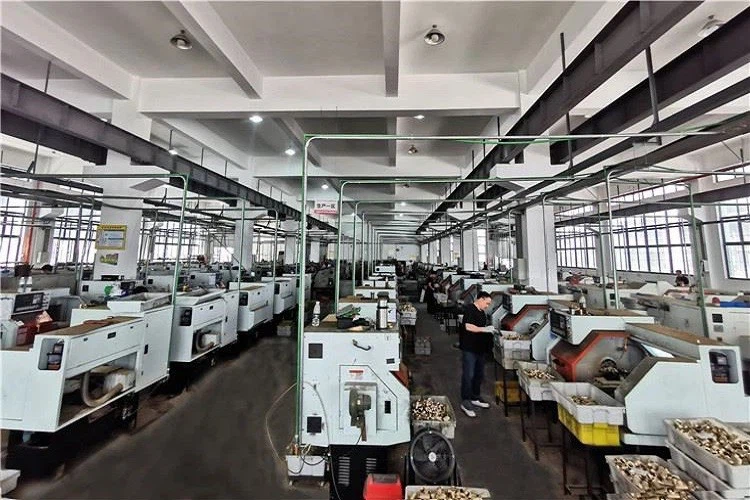
TAIZHOU LAIMENG FLUID CONTROL CO., LTD is a manufacturer integrating R&D, production and sales which provides one-stop service and solution for plumbing, heating and refrigeration systems of the global market. We are mainly specialized in producing thermal actuator, Mix water temperature control center, Electric thermostat for floor heating, water intelligent manifold, brass valves and fittings.

productcate-750-500
productcate-750-500
productcate-750-500
productcate-1-1
productcate-1-1
productcate-1-1
 
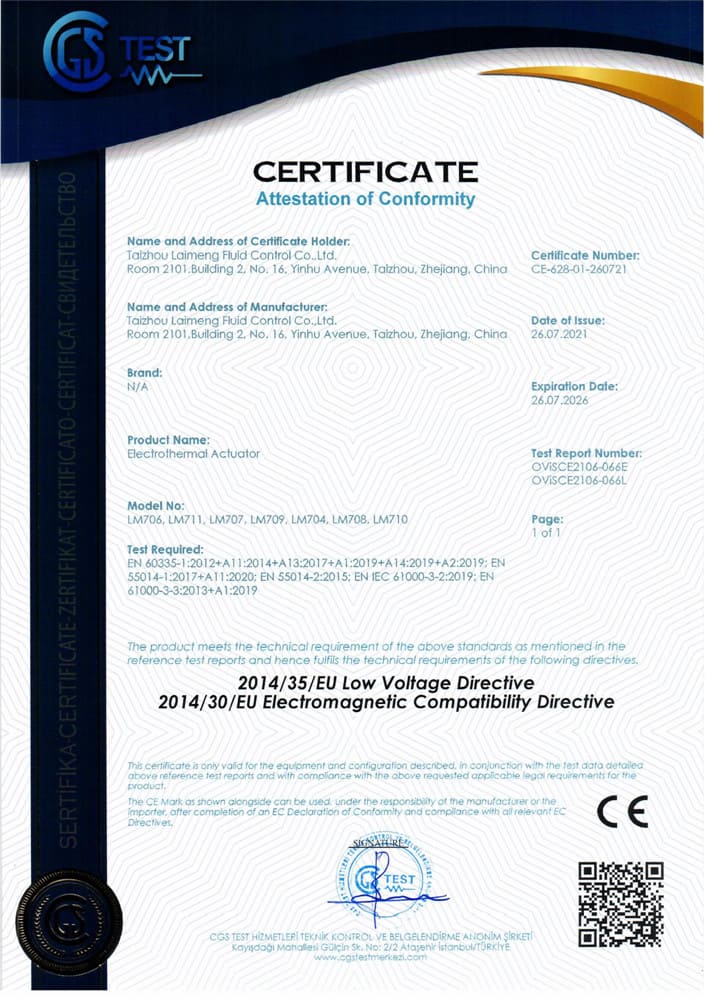
Certifications


productcate-1-1


FAQ

Q: What is the Future Outlook of Automatic Air Vent Valve Market?

A: The report focuses on the Automatic Air Vent Valve market size, segment size (mainly covering product type, application, and geography), competitor landscape, recent status, and development trends. Furthermore, the report provides strategies for companies to overcome threats posed by COVID-19.

Q: Brass automatic exhaust valve principle and function?

A: When the gas enters the valve cavity of the automatic exhaust valve and gathers at the upper part of the automatic exhaust valve, as the gas in the valve increases, the gas pressure rises. When the gas pressure is greater than the system pressure, the gas will cause the water surface in the cavity to drop, the float will drop with the water level, and the exhaust port will open to start exhausting; as the gas is discharged, the air pressure will decrease, the water level will rise, the float will also rise, and the exhaust port will closure.

Q: What is automatic air vent valve?

A: Automatic air vents feature a relatively small orifice and are suitable for discharging air and other gases during normal operation. By installing them in places where air tends to accumulate, it is possible to prevent issues caused by air trapped in water supply pipes.

Q: How does an Automatic Air Vent Valve work?

A: Automatic Air Vent Valve is installed on the heating system, typically within cylinder cupboards, to automatically bleed air from the heating system. The device consists of a polypropylene float connected to a simple valve. When the build-up of air within the float chamber exceeds a certain level the float drops, opening the valve and releasing the air trapped within the chamber. As the air is released, water replaces it, and moves the float back into the up position, which closes the valve.

Q: What are Automatic Air Vent Valves used for?

A: When air becomes trapped in a sealed heating system it can cause a wide variety of problems including excessive noise, corrosion and increased maintenance costs related to air locks that can prevent the system from operating effectively and efficiently. The Automatic Air Vent is installed on the heating system, typically within cylinder cupboards, to automatically bleed air from the heating system.

Q: What are the installation requirements for Brass Automatic Air Vent Valves?

A: The air vent valve must always be installed in a vertical position in order to ensure correct operation. The plug should not to be closed completely tight, but left slightly loose in order to allow the discharge of air via an incision on the male thread.

Q: What are the factors to consider when selecting a Brass Automatic Air Vent Valve?

A: Selecting a reliable brass air vent valve is crucial for the optimal performance and longevity of your heating or cooling system. Consider factors such as size, performance, durability, and ease of installation when making your decision.

Q: 10 Automatic Air Vent Valve Market Scope Of the Report?

A: This report offers past, present as well as future analysis and estimates for the Automatic Air Vent Valve Market. The market estimates that are provided in the report are calculated through an exhaustive research methodology. The research methodology that is adopted involves multiple channels of research, such as – primary research, secondary research, and subject-related expert advice. The market estimates are calculated based on the influence of the current market dynamics along with various economic, social, and political factors on the Automatic Air Vent Valve Market. Also, various regulations, government spending, and research and development growth define the market data. Both positive, as well as negative changes to the market, are taken into consideration for the market estimates.

Q: Automatic Air Vent Valve Market Competitive Landscape & Company Profiles?

A: The market report lists the major players involved in the Automatic Air Vent Valve Market under the competitive landscape and company profile chapters. The major players in the market are evaluated based on their product and/or service offerings, financial statements, key developments, strategic approach to the market, position in the market, geographical penetration, and other key features. The chapter also highlights the strengths, weaknesses, opportunities, and threats (SWOT analysis), winning imperatives, current focus and strategies, and threats from competition for the top three to five players in the market. Furthermore, the list of companies included in the market study can also be customized as per the client’s requirements. The competitive landscape section of the report covers details in terms of the top five company’s ranking, key developments such as recent developments, partnerships, mergers and acquisitions, new product launches, etc., the company’s regional footprint, and company industry footprint as per the market and Ace matrix.

Q: Can a brass automatic air vent valve be used in steam systems?

A: Specialized valves are required for steam systems. Brass automatic air vent valves are generally for hydronic (hot water) systems.

Q: Can a brass automatic air vent valve be painted or coated?

A: Painting or coating should be done with care to avoid damaging the valve's finish or obstructing the air vent mechanism. Some manufacturers recommend specific treatments.

Q: Do all brass automatic air vent valves require a union nut for installation?

A: Not all; some are designed for threaded connections only, while others come with a union nut for easier installation and removal.

Q: How do you test a brass automatic air vent valve?

A: After installation, open the valve and listen for the sound of air being released. Then close the valve and observe for any leaks when the system is under pressure.

Q: What is the difference between a brass automatic air vent valve and a manual air vent valve?

A: The main difference is that a manual valve requires manual operation to release air, whereas an automatic valve opens and closes as needed without manual intervention.

Q: Can a brass automatic air vent valve be repaired if it stops working?

A: In many cases, simple issues like dirt buildup can be resolved by cleaning the valve. For more complex problems, repair may not be feasible, and replacement will be necessary.

We're well-known as one of the leading brass automatic air vent valve manufacturers and suppliers in China. If you're going to wholesale bulk brass automatic air vent valve with competitive price, welcome to get quotation from our factory. Also, customized service is available.

Nickel Plated Brass Air Vent Valve, brass automatic air vent valve, brass air vent valve

(0/10)

clearall