Brass Drain Valve

What is Brass Drain Valve


The Brass Drain Valve helps prevent damage to your irrigation system due to freezing by automatically draining sprinkler lines when the water is turned off.

 
Benefits of Brass Drain Valve
 
01/

Corrosion Resistance
Brass is known for its excellent corrosion resistance, making brass drain valves ideal for use in environments where exposure to water, chemicals, or other corrosive substances is common. This resistance helps prevent rust and deterioration, ensuring the longevity of the drain valve.

02/

Durability and Longevity
Brass is a durable material that can withstand harsh conditions, high pressure, and temperature fluctuations. This durability translates to a longer lifespan for brass drain valves compared to valves made from other materials, reducing the need for frequent replacements.

03/

Strength and Reliability
Brass is a strong material that provides structural integrity to drain valves, reducing the risk of leaks, cracks, or failures. The strength of brass ensures that the valve can effectively control the flow of liquids or gases without compromising its performance.

04/

Ease of Installation and Maintenance
Brass drain valves are relatively easy to install due to the malleability of brass, allowing for simple connections and fittings. Additionally, brass valves require minimal maintenance due to their resistance to corrosion, reducing the need for frequent upkeep or repairs.

05/

Versatility and Compatibility
Brass drain valves are compatible with various types of plumbing systems and materials, making them versatile for different applications. Whether used in residential, commercial, or industrial settings, brass valves can adapt to different environments and requirements.

06/

Environmental Benefits
Brass is a sustainable and recyclable material, making brass drain valves an environmentally friendly choice for plumbing applications. By choosing brass valves, you contribute to reducing waste and promoting eco-friendly practices in the plumbing industry.

Why Choose Us
 

Customer service

We firmly believe that we offer THE BEST customer support in the industry and it is our ongoing goal to continually improve on our services. As an independently owned and operated business, we are able to provide the most accommodating service possible.

Professional Team

We have a team of skilled and experienced professionals who are well-versed in the latest technology and industry standards. Our team is dedicated to ensuring that our customers get the best service and support possible.

High quality products

We always put customer needs and expectations in the first place, refine on, continuous improvement, to seek every opportunity to do better, to provide customers with their expectations of quality products, to provide customers with the most satisfactory service at anytime.

Advanced equipment

We take great measures to ensure that we work with the industry' s highest quality equipment and that our equipment is regularly and meticulously maintained.

Efficient and convenient

The company has established marketing networks around the world to provide high-quality services to customers in an efficient and convenient manner.

Competitive Prices

We offer our products at competitive prices, making them affordable for our customers. We believe that high-quality products should not come at a premium, and we strive to make our products accessible to all.

5 Things to Consider When Choosing Drain Valves


Thread Size
You should consider the thread size when choosing drain valves. Most drain valves are designed with exterior threading, which allows them to connect to the interior threading of a hole. But the size of a drain valve' s thread may vary. Thread size is typically measured in National Pipe Tapered (NPT). You can refer to a drain valve' s NPT size to determine its thread size.


Material
What material is the drain valve made of? Since you' ll be using them to drain fluids, you should choose drain valves made of a strong and corrosion-resistant material. Some of them are made of brass. Brass drain valves are an all-around great choice. They can withstand otherwise harsh fluids without degrading.


Opening Mechanism
Something else to consider when choosing drain valves is the opening mechanism. In other words, how do you open them? Once installed, you' ll need to open the drain valves so that fluid will flow out of them. There are push-to-open drain valves that, as the name suggests, require nothing more than a slight push. Pushing them will release the fluid and, thus, drain the tank or system to which they are connected.


Fluid Type
You should consider the fluid type when choosing drain valves. Different types of drain valves are designed for different types of fluids. Some of them are designed for fuel. Other drain valves are designed for oil. When shopping for drain valves, make sure they are compatible with the fluid type for which you intend to use them.


Locking
There are locking drain valves available. As the name suggests, they feature a locking mechanism. You can lock in a particular position, such as the opened or closed position. Not all drain valves feature a locking mechanism. Whether you' re planning to use them for fuel, oil or any other fluid, though, you may want to look for this feature when choosing them.

Sourcing Guide for Brass Drain Valve


Automatic Drain Valve

With several products to choose from and an ever-expanding range, you're sure to find something to suit your industrial equipment needs here. Our manufacturers and suppliers offer a full range of services to help you stay up and running and meet your unique equipment requirements. If you are interested in brass drain valves, you will be surprised by the wide selection of control valves, water valves, brass valves, and more. The competitive and cheap price of brass drain valve factory will bring you an advantage in your own market. As we all know, product quality and safety are top priorities for the equipment industry and buyers, and here you have a greater chance of finding trustworthy manufacturers and factories whose products deliver high levels of performance, efficiency, and reliability. time. We have thousands of quality suppliers and manufacturers who we believe have all the equipment, services and solutions for your various industrial applications.

How Does a Drain Valve Work


The bulk of industrial air compressors produces between 100 and 175 pounds per square inch of pressure. This pressure enables air compressors to perform an almost infinite number of functions. An air compressor comprises multiple valves that assist regulate the flow of air and pressure to guarantee optimal operation and safety.


To compress air inside a sealed chamber, most industrial air compressors employ one of two methods: Pistons or a revolving screw. Naturally, the equipment takes in ambient air around the compressor throughout this operation. Water vapor is present in this air.


When the pressure of air is increased, some moisture in water molecules escapes. as the air cools to ambient temperature, the water vapor condenses into liquid, releasing more moisture. The water in the tank collects near the bottom. A 200 CFM (25 HP) compressor, for example, will create 18 gallons of water each day.


Water in your compression chamber will quickly cause major issues, including rust and corrosion. Corrosion like this will eat straight through the sidewall of your air receiver if left uncontrolled. Excessive water might also cause the air dryers in your compressor to get overwhelmed and stop working correctly. All of this results in increased wear on tools and other air-operated equipment downstream.

Types of Drain Valves


Electronic drain valves consist of a solid-state timer, solenoid valve, and protective housing. They differ in terms of timer specifications, valve specifications, and available features. Timer specifications for electronic drain valves include interval time, discharge time, supply voltage, current consumption, operating temperature, housing material, and connection type. Typically, electronic drain valves have a valve body made of forged brass or stainless steel. Electronic valve insulation may be Grade F or Grade H. Grade F insulation is industry standard, and by comparison Grade H provides superior temperature-resistance and longer life.


Motorized drain valves consist of a valve that is connected to a gear motor with a coupling. This design reduces the possibility of misalignment and minimizes the chance of premature valve failure. For protection against corrosion, glass-reinforced seals and steel balls and stems are used. Product specifications for motorized drain valves include interval time, discharge time, supply voltage, operating temperature, maximum pressure, and connection type.

Safety Considerations for Operating Drain Valves
 

Safety should be your top priority when operating the drain valve on your air compressor. Regular maintenance and upkeep of your drain valve is essential to ensure it operates properly. Always follow the manufacturer's recommendations for the specific type of drain valve and compressor you are using. It is important to be familiar with the components of the valve and how to operate it safely.


Before performing any maintenance or repairs on the drain valve, make sure the air compressor is turned off and depressurized. This will prevent the accidental release of high-pressure air, which could cause serious injury.

Additionally, wearing appropriate personal protective equipment, such as safety glasses and gloves, is essential to protect yourself from any potential hazards during maintenance.


Before operating the drain valve, be sure to inspect the drain valve and its surroundings for any signs of wear, damage, or leaks. Regular inspections and maintenance help detect any potential problems early, prevent accidents and ensure the continued safety and efficiency of your equipment. Finally, make sure anyone operating or maintaining the air compressor is properly trained and understands the safety precautions associated with drain valve operation.


By prioritizing safety considerations and following proper operation and maintenance procedures, you can ensure the safe and efficient use of the air compressor drain valve, minimizing the risk of accidents or injuries.

Brass Drain Valve for Water Heater
Application of Brass Drain Valve


Drain valves are utilized in many different situations. They' re common in things like air compressors and air supply lines. An air drain valve allows potentially dangerous condensates like water, oil, or rust to be removed. These impurities can accumulate over time, obstructing the airline or weakening the storage tank. The interior of steel storage tanks might corrode if there is too much water in the system. On big vehicles with air braking systems, automatic air drain valves are often utilized to remove oil and water that may cause the brakes to fail.


Water heater drain valves are used to drain water and remove contaminants from hot water heaters on a regular basis. Mineral scale, composed of calcium or other minerals, can build up within water heaters over time. Sediments such as dirt or sand can also accumulate in the tank' s bottom. If left unchecked, this reduces the heating efficacy of the heating components and can eventually lead to irreversible damage. Most of these contaminants may be drained from the hot water heater by periodically opening the drain valve.

 
Install Automatic Drain Valve

Choose The Right Drain Valve
Determine the appropriate automatic drain valve for the air compressor drain valve based on operating pressure, temperature, and voltage. Also, fix the type of drain valve depending on the application.


Shut Off The Compressor
Before installing the valve, turn off the air compressor and disconnect it from the power source to ensure safety.


Release Air Pressure
Open the existing manual drain valve or any other release valve to release residual air pressure from the compressor and air tank.


Use Thread Sealant
Apply a suitable thread sealant, such as Teflon tape or pipe dope, on the threads of the automatic drain valve to prevent air leaks. Also, if a manual drain valve is already in place, remove it using a wrench and prepare the connection point for the automatic drain valve installation.


Install The Valve
Thread the automatic drain valve into the connection point, and tighten it using a wrench. Ensure it is securely in place but avoid over-tightening, which may damage the threads.

Connect power supply

If the automatic drain valve requires an external power supply, connect it to the appropriate voltage source per the manufacturer's instructions. For a timer-controlled valve, set the desired open and close intervals.

Test the installation

Reconnect the power supply to the air compressor and turn it on. Allow the system to build pressure and observe the automatic drain valve functioning during its drainage cycle. Check for any leaks or issues during operation.

Maintenance

Inspect and clean the automatic drain valve after installation to ensure proper functionality and prolong its service life.

 
Understanding the Function of an Air Compressor Drain Valve
 

An air compressor drain valve serves a crucial purpose in maintaining the efficiency and longevity of an air compressor system. Its primary function is to remove accumulated moisture and condensate from the compressed air tank, preventing corrosion and water damage to the internal components. This moisture is a byproduct of the compression process and can lead to rust, scale, and other forms of corrosion if not properly removed.


The drain valve operates by opening a pathway for the collected condensate to exit the air tank, typically through a manual or automatic mechanism. By purging the tank of moisture regularly, the drain valve helps to ensure the quality of the compressed air and prevents potential damage to air tools and equipment connected to the system. This contributes to maintaining consistent air pressure and extends the lifespan of the compressor.


Understanding the function of an air compressor drain valve is essential for efficient operation and maintenance of the air compression system. Regular inspection and maintenance of the drain valve are necessary to ensure its optimal performance and prevent the buildup of damaging moisture within the compressed air tank. Without a properly functioning drain valve, the air compressor system may be at risk of reduced efficiency, increased energy consumption, and costly repairs.


Our Factory

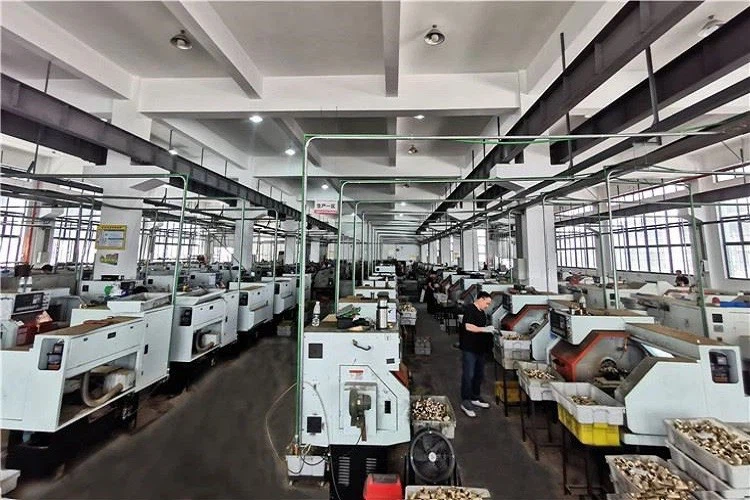
TAIZHOU LAIMENG FLUID CONTROL CO., LTD is a manufacturer integrating R&D, production and sales which provides one-stop service and solution for plumbing, heating and refrigeration systems of the global market. We are mainly specialized in producing thermal actuator, Mix water temperature control center, Electric thermostat for floor heating, water intelligent manifold, brass valves and fittings.

productcate-750-500
productcate-750-500
productcate-750-500
productcate-1-1
productcate-1-1
productcate-1-1
 
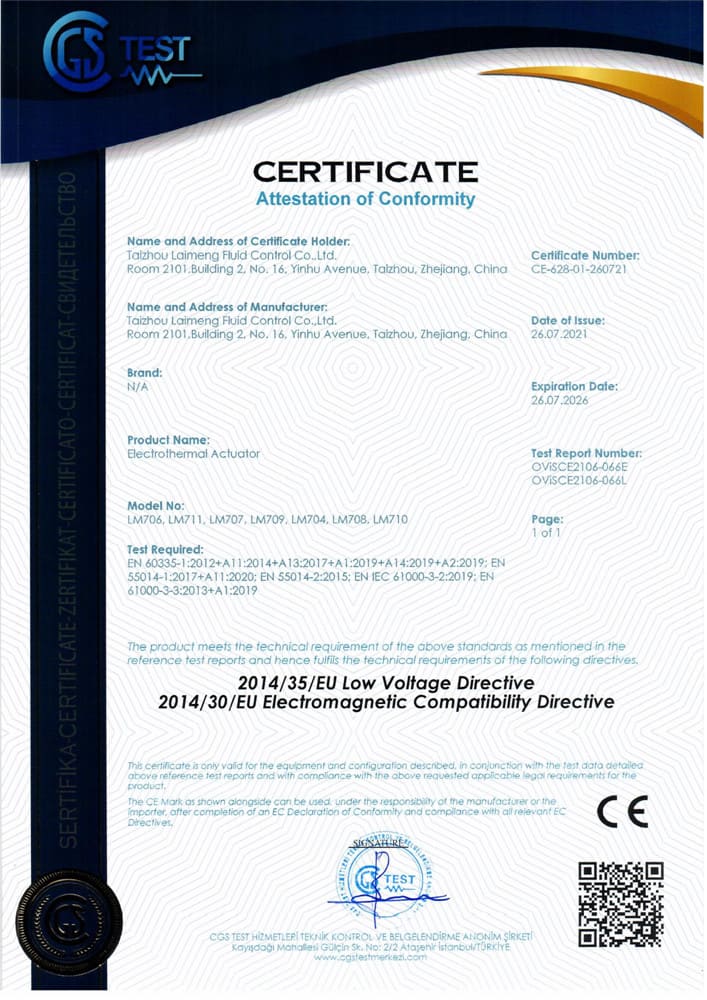
Certifications


productcate-1-1


FAQ

Q: What is the purpose of a drain valve?

A: Drain valves allow excess water vapor to exit the tank and reach the atmosphere. Condensation buildup can result in corrosion that damages the compressor, shortening its life span. By removing the extra moisture, you reduce wear on equipment powered by compressed air systems.

Q: Should the drain valve be open or closed?

A: If the unit will not be used for a long time, it is advisable to keep the drain valve open until it is needed. This allows moisture to drain entirely and prevents rusting on the interior of the tank.

Q: Where should drain valves be installed?

A: Above the internal stop valve, a drain-off valve must be fitted. It is the property owner' s obligation. The building water service is made up of the communication and supply pipes.

Q: Which way do you turn a drain valve?

A: To open the drain, look at the handle of the drain valve and turn it counterclockwise. Close the drain by turning it clockwise. It' s common for new valves to be difficult to turn. If necessary, use pliers; the valve will not be damaged.

Q: Why is the drain valve used in air bottles?

A: To remove collected condensate from the receiver, a drain valve is installed at the bottom of the bottle.

Q: What is the use of drain valve in transformer?

A: Drain valve is used to flow the transformer oil from the transformer tank. This Transformer T-type valve is an anti- theft valve and special key is needed to open the valve. These valves are fitted to the transformer tank by welding the pipe provided of the valve to the tank.

Q: How does the valve mechanism work in a Brass Drain Valve?

A: Although some drain valves are automatically opened when a specific pressure or temperature is met, most drain valves are opened manually by twisting a screw or handle. When the valve is opened, gravity or pressure differential causes liquid or air to drain from the storage tank.

Q: What is the difference between drain valve and isolation valve?

A: Vent and drain valves are examples of normally closed valves which are only opened when required to depressurise (vent) or drain fluids from a system. Isolation valves must effectively stop the passage of fluids. Gate valves, ball valves and plug valves are generally considered to provide tight and effective shut-off.

Q: What is a stop and drain valve?

A: Homes that have sprinkler systems or hoses, often have stop-and-waste valves. These are valves that prevent the flow of water from going past the valve. One of the components that make up a stop-and-waste valve is a key or knob that shuts the valve and cuts the main water supply off.

Q: What is the maintenance of drain valve?

A: Inspect the packing rings and piston surface for damage and wear every 6-12 months. The compressible packing rings allow the valve to be resealed if it should leak due to wear.

Q: What is test and drain valve?

A: A Test and Drain is a type of valve with both a test function and an express drain function. Think of a ball valve and inspector's test valve combination, except it's manufactured as one unit, making it much more convenient.

Q: What is the purpose of a test drain valve?

A: In sprinkler systems, these valves are used for the testing systems and drain the unnecessary fluids from the systems. Advantages: They have sight glasses in their body,single valve is sufficient to drain the line.

Q: Do you need a drain valve?

A: Most the time you should have a drain off valve on either the return or flow pipe on one of the radiators on the lowest point in your system.

Q: Where is my drain off valve?

A: Look for the radiator in your house with a drain-off valve. Look for it on the right or left-hand side at the bottom. The valve is often coming off at a 45 degree angle. Once you've located the radiator with the drain-off valve, grab your garden hose and clip it around the valve with the jubilee clip.

Q: How long do drain valves last?

A: You should expect your drain valve to last as long as your water heater in ideal conditions. Metal drain valves last longer than plastic drain valves.

Q: Can you replace a drain valve?

A: If the drain valve has a removable handle, unscrew it and replace the washer behind it. Reassemble the handle, refill the tank, and check the valve for leaks. If the handle cannot be removed, or the drain valve is made of plastic, replace the entire valve.

Q: What is the difference between drain valve and isolation valve?

A: Vent and drain valves are examples of normally closed valves which are only opened when required to depressurise (vent) or drain fluids from a system. Isolation valves must effectively stop the passage of fluids. Gate valves, ball valves and plug valves are generally considered to provide tight and effective shut-off.

Q: What are the benefits of using an automatic drain valve for my air compressor?

A: An automatic drain valve helps prevent moisture buildup, which can lead to corrosion and damage to the downstream equipment. It also ensures consistent air quality, improves compressor efficiency, and reduces maintenance requirements.

Q: How is the construction of a Brass Drain Valve?

A: Construction is nickle-plated brass. To use, install the valve on a hose near the bottom of your setup. When you need to empty the system, place a container below the valve and unscrew it. A segment of 6mm (1/4in) ID tubing can be attached to the drain nozzle.

Q: How to tighten a drain valve?

A: Fit an adjustable wrench over the body of the sillcock valve (but not over its outlet), and turn it clockwise to tighten the valve. You want the spigot-end of the valve to face down toward the floor.

We're well-known as one of the leading brass drain valve manufacturers and suppliers in China. If you're going to wholesale bulk brass drain valve with competitive price, welcome to get quotation from our factory. Also, customized service is available.

3 4 boiler drain valve, brass drain off valve, 1 boiler drain valve

(0/10)

clearall