Customer service
We firmly believe that we offer THE BEST customer support in the industry and it is our ongoing goal to continually improve on our services. As an independently owned and operated business, we are able to provide the most accommodating service possible.
Professional Team
We have a team of skilled and experienced professionals who are well-versed in the latest technology and industry standards. Our team is dedicated to ensuring that our customers get the best service and support possible.
High quality products
We always put customer needs and expectations in the first place, refine on, continuous improvement, to seek every opportunity to do better, to provide customers with their expectations of quality products, to provide customers with the most satisfactory service at anytime.
Advanced equipment
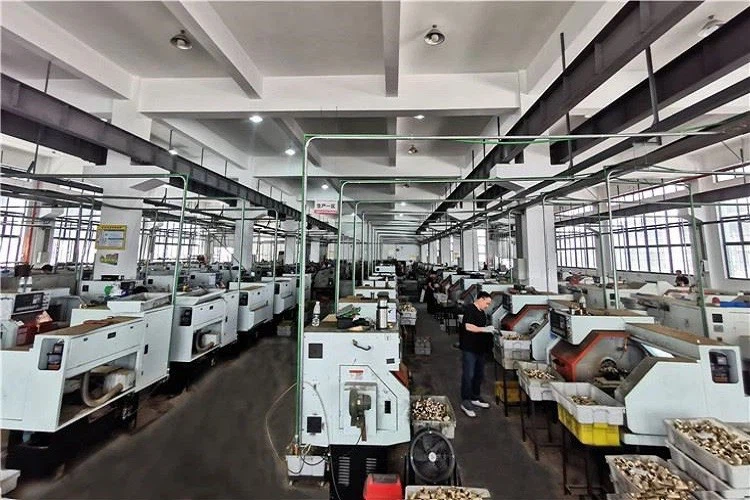
We take great measures to ensure that we work with the industry' s highest quality equipment and that our equipment is regularly and meticulously maintained.
Efficient and convenient
The company has established marketing networks around the world to provide high-quality services to customers in an efficient and convenient manner.
Competitive Prices
We offer our products at competitive prices, making them affordable for our customers. We believe that high-quality products should not come at a premium, and we strive to make our products accessible to all.
| Stainless Steel Ball Valves | Brass Ball Valves | |
| Material Composition | Iron alloy made from nickel and chromium (and sometimes molybdenum) | Copper alloy that includes zinc and occasionally additional metals |
| Cost | More costly than leaded and lead-free brass ball valves | Less costly than stainless steel ball valves, more costly than plastic ball valves |
| FDA Approval | Approved by the FDA for use in the food and beverage industry | Not approved by the FDA unless certified lead-free |
| Softness | Harder than brass, making it more challenging to seal (for example, by welding) | Softer than stainless steel, making it more easy to seal (for example, via welding) and more efficient to machine |
| Corrosion Resistance | Highly corrosion resistant; The preferred material for use in corrosive environments, including marine applications | Can withstand corrosive environments better than plastic but not as well as stainless steel; However, can be compatible with some materials not compatible with stainless steel |
| Pressure Ratings | Higher pressure ratings than brass; More resistant to high pressure | Lower pressure ratings than stainless steel; Less resistant to high pressure |
| Temperature Resistance | Can handle and last longer at higher temperatures than brass ball valves | Not as suitable for high temperature situations as stainless steel ball valves |

Residential Plumbing Systems
In residential plumbing systems, brass ball valves are commonly used at various points, including main water lines, branch lines, and fixture shut-offs. They provide convenient shut-off and control capabilities for individual fixtures or sections of the plumbing system.

HVAC Systems
Heating, ventilation, and air conditioning (HVAC) systems utilize brass ball valves for controlling the flow of hot and chilled water, refrigerants, and other fluids. These valves enable efficient temperature regulation and ensure balanced distribution across various HVAC components.

Industrial Applications
Brass ball valves find extensive use in industrial applications, such as manufacturing plants, chemical processing facilities, and power generation plants. They control the flow of different fluids, including corrosive chemicals, steam, and high-pressure gases.

Irrigation Systems
In agricultural and landscaping applications, brass ball valves play a vital role in irrigation systems. They control water flow to sprinklers, drip emitters, and other irrigation devices, ensuring proper hydration for crops or green spaces.
Easy to work with
One of the biggest benefits that Brass Ball Valves have going for them is that they are easy to work with and install. By easy to work with, I mean that brass as a material is softer than others (like stainless steel). This makes sealing them easier.
Also due to the popularity of Brass Valves, the products that are used for sealing them are very readily available. When sealing other types of metals, you often need a specific pipe tape and or thread sealant. Not that these are impossible to find, but you are more apt to find Brass sealing products easier than others.
Leaded and No Leaded Options
With the transition to No Lead over the past few years, Brass products have had to change quite drastically. There is a big price difference between leaded and no lead Brass from a material perspective, so it is nice to have the option of using leaded on non-potable water applications. This can save you a lot of money.
Full Port Ball Valve
This type of valve has a larger ball and opening, allowing for minimal flow restriction. It is ideal for applications where maximum flow rate is important.
Three-Way Ball Valve
A type of multi-port valve, the three-way ball valve has three ports and can direct flow between any two of them. It's often used to divert or mix fluids.
Reduced Port Ball Valve
Also known as a "reduced bore" or "reduced port" valve, this design has a significantly smaller ball and opening, leading to more flow restriction. It's often used in applications where flow control is critical.
V-Port Ball Valve
This valve has a V-shaped ball that creates a linear flow characteristic, allowing for more precise control of flow rates. It's commonly used in applications that require accurate modulation.
Multi-port Ball Valve
Multi-port valves have multiple ports and flow paths, allowing for complex flow configurations. They are used in applications where diversion, mixing, or multiple flow directions are required.
Standard Port Ball Valve
In this type, the ball and opening are slightly smaller, causing a slightly greater flow restriction compared to a full port valve. It is commonly used in applications where the flow rate is not a primary concern.
Four-Way Ball Valve
Similar to the three-way valve, the four-way valve has four ports and offers more complex flow path options. It's used for applications requiring more intricate flow direction control.
Top Entry Ball Valve
In this design, the valve body can be opened from the top, allowing for easy maintenance and repairs without removing the valve from the pipeline.
Side Entry Ball Valve
The valve body is accessed from the side. It's often used in applications with limited vertical space.
Floating Ball Valve
The ball in this type of valve is not fixed to the stem, allowing it to move slightly to create a seal against the seats. It's suitable for low-pressure applications.
Trunnion Mounted Ball Valve
The ball in this valve is supported by trunnions or shafts, which reduces friction and wear. It's commonly used for high-pressure or large-diameter applications.
Cavity-Filled Ball Valve
These valves are designed to prevent fluid from getting trapped in the cavity behind the ball. They are used in applications where trapped fluid could cause issues.
The sealing structure of a brass ball valve plays a pivotal role in its performance and reliability. Typically, brass ball valves feature a ball with a through hole, which rotates to control the flow of fluids. The sealing mechanism involves a combination of seats, seals, and packing materials. Seats, often made of PTFE or other resilient materials, provide a tight seal when the ball is in the closed position. Seals, such as O-rings or gaskets, prevent leakage around the valve body and stem. Additionally, packing materials, usually PTFE or graphite, ensure a secure seal around the stem to prevent leakage under pressure.
The choice of materials for brass ball valves is critical to their performance, durability, and compatibility with different media. Brass, a copper-zinc alloy, is the primary material used for the valve body due to its excellent corrosion resistance and machinability. The composition of brass can vary, with common alloys including C36000 and C37700. These alloys offer a balance of strength, ductility, and corrosion resistance suitable for various applications.
The material selection for the ball component of a brass ball valve depends on factors such as the type of fluid being controlled and the operating conditions. Brass balls are typically made from the same alloy as the valve body for compatibility and consistency. However, in applications involving corrosive or abrasive fluids, the ball may be coated or lined with materials such as chrome plating or ceramic to enhance durability and performance.
Seats and seals are crucial elements of the sealing structure in brass ball valves. PTFE (polytetrafluoroethylene), also known as Teflon, is commonly used for seats due to its excellent chemical resistance and low friction properties. PTFE seats provide a tight seal and smooth operation, even in high-pressure or high-temperature applications. Seals, including O-rings and gaskets, are typically made from elastomeric materials such as Nitrile (Buna-N) or Viton, selected based on compatibility with the intended media and operating conditions.
There has been a growing emphasis on environmental considerations and sustainability in the design and manufacturing of brass ball valves. Manufacturers are increasingly focused on reducing the environmental impact of production processes, optimizing resource usage, and incorporating recyclable materials. Additionally, advancements in sealing technology and material science have led to the development of eco-friendly seals and packing materials, further enhancing the sustainability of brass ball valves.
Brass Ball Valves Market Insights
Brass Ball Valves Market size was valued at USD2Billion in 2023 and is projected to reach USD3.5Billion by 2030, growing at a CAGR of10% during the forecast period 2024-2030.
The segment of the industrial valves industry that focuses on the production, distribution, and application of ball valves made of brass components is known as the Brass Ball Valves Market. Ball valves are crucial parts of fluid control systems because they make it possible to effectively regulate and isolate the flow of liquid or gas. Because it can endure a broad range of working conditions, brass, a copper-zinc alloy famed for its corrosion resistance, durability, and malleability, is the material of choice for ball valve fabrication.The market is made up of different players who contribute to the development and application of brass ball valves in a variety of industries, including chemical processing, oil and gas, water treatment, HVAC (heating, ventilation, and air conditioning), and general manufacturing. These players include manufacturers, suppliers, distributors, and end users.
The expansion of the worldwide energy demand, growing industrialization, and the construction of infrastructure all have an impact on the growth of the brass ball valve market. Technological developments in materials science and valve design drive advances that improve sustainability, performance, and dependability in the market.In addition, the demand for affordable solutions, environmental concerns, and regulatory requirements all influence market dynamics. Businesses in this sector do research and development to launch goods with enhanced features that satisfy changing end-user demands. The market is also distinguished by strategic alliances, competitive pricing, and an emphasis on client happiness.The expansion of the worldwide energy demand, growing industrialization, and the construction of infrastructure all have an impact on the growth of the brass ball valve market. Technological developments in materials science and valve design drive advances that improve sustainability, performance, and dependability in the market.In addition, the demand for affordable solutions, environmental concerns, and regulatory requirements all influence market dynamics. Businesses in this sector do research and development to launch goods with enhanced features that satisfy changing end-user demands. The market is also distinguished by strategic alliances, competitive pricing, and an emphasis on client happiness.
The individuality of the Ball Valve can be identified through a hole in the ball positioned within the valve’s body, which allows a straight and constant flow of water.
In terms of selecting the valve, it is essential to check its weight. The ball valves are exceptionally light and durable, which makes them unique in the hoard of other valves and playing significant roles in various sectors.
It is necessary to determine the amount of pressure that has to pass from the valve purchase, which will adjudicate the size of the Ball Valve needed. After all, it is necessary for the valve to handle the pressure of the liquid flow.
In order to choose the right Ball Valve, identifying the pressure level is also imperative because it will help in selecting the specialized valve with the material involved.
When it comes to selecting the Ball Valves, characterizing its usage is extremely important because specialized valves are available for the chemical industry or radioactive waste management and much more. One cannot take the risk of using any Ball Valve for ideating the flow of special liquids.
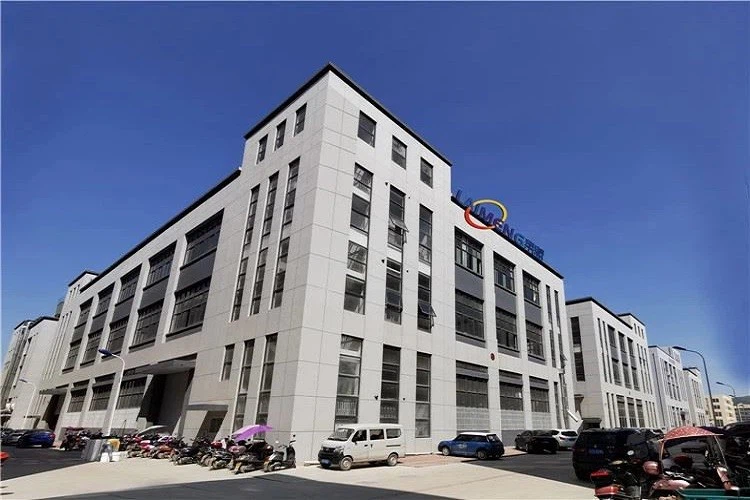
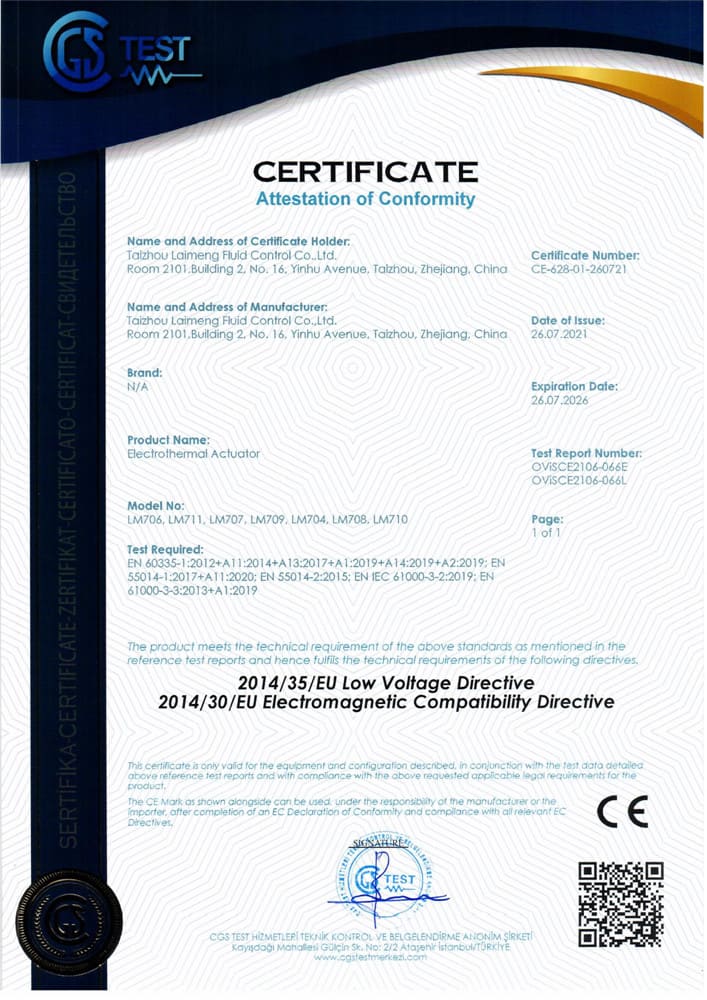
TAIZHOU LAIMENG FLUID CONTROL CO., LTD is a manufacturer integrating R&D, production and sales which provides one-stop service and solution for plumbing, heating and refrigeration systems of the global market. We are mainly specialized in producing thermal actuator, Mix water temperature control center, Electric thermostat for floor heating, water intelligent manifold, brass valves and fittings.


We're well-known as one of the leading brass ball valves manufacturers and suppliers in China. If you're going to wholesale bulk brass ball valves with competitive price, welcome to get quotation from our factory. Also, customized service is available.
1 2 brass ball valve threaded, brass ball valve 1 2 inch, ball valve brass 3 4