Temperature Controller

What is Temperature Controller


The temperature controller is a kind of intelligent temperature control instrument. It has the functions of temperature curve programmable or fixed-point constant temperature control, multiple PID regulation, output power limiting curve programming, manual / automatic switching, soft start, alarm switch output, real-time data query, communication with computer, etc. It combines digital temperature meter and ZK thyristor voltage regulator into one, which integrates temperature measurement, regulation and driving. The meter directly outputs thyristor trigger signal, which can drive all kinds of thyristor loads. It is used in all kinds of high and low voltage switchgear, dry-type transformer, box type substation and other related temperature application fields.

Benefits of Temperature Controller


Precision
Temperature controllers enable precise and accurate temperature regulation, leading to enhanced system performance.


Automation
Once set, temperature controllers can operate autonomously, reducing the need for manual intervention.


Remote Monitoring
Advanced temperature controllers can be integrated with monitoring systems, allowing operators to oversee the boiler' s performance remotely.


Extended Equipment Life

Proper temperature control prevents excessive wear and tear on boiler components, extending their lifespan.


Cost Savings
Increased energy efficiency results in reduced fuel consumption, leading to significant cost savings over time.

Why Choose Us
 

Customer service

We firmly believe that we offer THE BEST customer support in the industry and it is our ongoing goal to continually improve on our services. As an independently owned and operated business, we are able to provide the most accommodating service possible.

Professional Team

We have a team of skilled and experienced professionals who are well-versed in the latest technology and industry standards. Our team is dedicated to ensuring that our customers get the best service and support possible.

High quality products

We always put customer needs and expectations in the first place, refine on, continuous improvement, to seek every opportunity to do better, to provide customers with their expectations of quality products, to provide customers with the most satisfactory service at anytime.

Advanced equipment

We take great measures to ensure that we work with the industry' s highest quality equipment and that our equipment is regularly and meticulously maintained.

Efficient and convenient

The company has established marketing networks around the world to provide high-quality services to customers in an efficient and convenient manner.

Competitive Prices

We offer our products at competitive prices, making them affordable for our customers. We believe that high-quality products should not come at a premium, and we strive to make our products accessible to all.

What Are the Types of Temperature Controller


Snap-action Temperature Controller
Snap-action temperature controllers are collectively referred to by various models as "KSD," with common examples like KSD301 and KSD302.
This type of temperature controller is a new product derived from bimetallic temperature controllers and is primarily used in various electric heating products for overheat protection.
Typically, it is connected in series with a thermal fuse, serving as primary protection. The thermal fuse acts as a secondary safeguard in case the snap-action temperature controller fails or malfunctions, preventing overheating of the heating element and potential fire incidents.


Liquid Expansion Temperature Controller
The liquid expansion temperature controller operates based on the physical phenomenon of thermal expansion and contraction in a substance (usually a liquid) within its temperature-sensitive component.
Connected to the temperature-sensitive part is a diaphragm box that expands or contracts due to temperature changes, leveraging the principle of a lever to trigger the opening and closing of switches.
Liquid expansion temperature controllers are known for their accuracy in temperature control, stability, minimal temperature differentials for activation and deactivation, a wide temperature control range, and a high overload current capacity.
These controllers are commonly used in the household appliance industry, electric heating devices, and the refrigeration industry.


Pressure-actuated Temperature Controller
Pressure-actuated temperature controllers use a closed system filled with a temperature-sensitive substance, typically equipped with a capillary tube.
Changes in the controlled temperature lead to alterations in the pressure or volume within this closed system.
When the set temperature is reached, an elastic element and a rapid-actuating mechanism automatically close the contacts, achieving the goal of temperature control.
Pressure-actuated temperature controllers find applications in appliances like refrigerators, freezers, and heating equipment.


Electronic Temperature Controller
Electronic temperature controllers, specifically those utilizing resistance-based methods, measure temperature using resistive elements.
Common resistive elements used for temperature sensing include platinum wires, copper wires, tungsten wires, and thermistors, each with its unique advantages.
For household air conditioners, thermistors are commonly employed as the temperature-sensing element.
Each of these temperature controllers has its distinct working principles and applications.

The Components of a Temperature Controller


Temperature Sensor

The heart of the temperature controller, this sensor measures the actual temperature of the steam. Common types of temperature sensors used in steam boilers include thermocouples and resistance temperature detectors (RTDs).


Microprocessor

Acting as the brain of the controller, the microprocessor processes the temperature data from the sensor and compares it to the desired setpoint.


Output Control Element

This element is responsible for adjusting the heat input to the boiler based on the information received from the microprocessor. It can be a relay, a solid-state switch, or a proportional control valve.


How Does the Temperature Controller Work


Temperature controller, like all controllers is designed to regulate some physical real world parameter by means of manipulation of a device that is able to influence the above parameter.


In our case, the real world parameter is the temperature that is measured by a temperature sensor and is passed to the controller in the form of electrical signal. The controllers compares the measured temperature PV (Present Value) with the desired temperature SP (Set Point). It then uses an algorithm, applied to that difference, to calculate how to operate the device that influences the temperature.


Here are a couple examples. Your home air conditioner temperature controller uses a sensor to measure the room temperature and compares it to your desired temperature, that you set for your comfort. If the measured temperature is higher than it should be, the air conditioner is turned on until the room cools down to a value a bit lower than the desired one and its operation is suspended until the room heats up again.


Another example is the kitchen oven. The operation is very similar, however this time the controller turns on the electrical heater in the oven to heat it up to the set temperature and turns the heater off when this value is reached.


The controller can be a simple electro mechanical device, like the ones used in older models of most home appliances that need to regulate the temperature. However, most modern devices and appliances use digital controllers that utilize more sophisticated algorithms.


Some controllers are able to regulate the temperature much more accurately when provided with the means. For instance, if the oven is equipped with a device designed to regulate the heater power output (instead of just turning it on and off), the controller would be able to keep the temperature spot on, with no fluctuations and faster recovery from disturbances (like droping of the temperature when you open the oven door to check on that pie).

Applications of Temperature Controllers
Heat Plus Thermostat

HVAC Systems

Temperature controllers are used in HVAC systems to regulate the temperature of a building. They can control heating and cooling systems to maintain a comfortable temperature for occupants while minimizing energy usage.

FCU Thermostat

Refrigeration Systems

Temperature controllers are used in refrigeration systems to maintain the temperature of refrigerated or frozen goods. They can prevent temperature fluctuations that damage the goods or compromise quality.

AC220V Floor Heating Linkage Temperature Controller Heating Ventilation Temperature

Baking Ovens

Temperature controllers are used in ovens to regulate the temperature during cooking or baking. They can ensure the food is cooked or baked evenly and prevent overcooking or burning.

Heating Mat Touch Screen Digital Programmable Thermostat

Process Control Systems

Temperature controllers are used in industrial processes to regulate the temperature of chemical reactions, manufacturing processes, and other processes that require precise temperature control.

Key Characteristics of TemperatureControllers


Temperature Range
Temperature control machines are available in various models with temperature ranges typically spanning 90, 120, 150, and 180 degrees Celsius.


Heat Transfer Medium
Water serves as the primary heat transfer medium in temperature control machines. Compared to heat transfer oil, water boasts higher specific heat capacity and faster heat transfer rates, resulting in superior mold heating performance under identical operating conditions.


Ease of Use and Environmental Friendliness
Temperature control machines utilize water as the circulating medium, requiring only water circulation with specific water pressure. This setup offers ease of operation and generates zero pollution. Rapid Cooling: One notable advantage of water-based temperature control machines is their rapid cooling capability. Employing direct cooling methods, where cooling water directly enters the heat exchange pipes, facilitates swift temperature reduction in the system.


Maintenance and Cost Efficiency
Unlike systems reliant on thermal oil, water-based temperature control machines eliminate issues associated with prolonged oil usage and the need for periodic replacement due to degradation. These machines offer comparable efficiency at a lower cost, as there' s no requirement for purchasing and replacing heat transfer oil. Additionally, water sampling for maintenance purposes is straightforward and cost-effective.


Limitations
Despite their merits, water-based temperature control machines have limitations. Water' s boiling point under atmospheric pressure is 100 ° C, although, in a pressurized system, it can exceed 180 ° C. However, this necessitates robust pressure-resistant molds and equipment, elevating costs associated with system components compared to oil-based counterparts.

 
Choosing the Right Temperature Controller for Your Process
 

Understand Your Process Requirements
●Temperature Range: Determine the required temperature range for your process, including the minimum and maximum temperature values. This will help you select a controller that can operate within your desired temperature range.
●Control Accuracy: Evaluate the level of precision required for temperature control in your process. Some applications demand high accuracy, while others may have more lenient requirements.
●Control Stability: Assess the stability requirements of your process. Some applications may need tight temperature stability to ensure consistent results, while others may allow for slight temperature fluctuations.
●Control Algorithm: Different control algorithms, such as On/Off, PID (Proportional-Integral-Derivative), or fuzzy logic, offer varying control performance levels. Determine which algorithm suits your process needs best.


Consider User Interface and Functionality
●Display and Interface: Look for a temperature controller with a clear and intuitive display that allows easy monitoring of temperature values. Consider the interface type, such as buttons or touchscreen, LED or LCD or Graphic, and ensure it provides convenient navigation through menus and settings.
●Programming Capabilities: Determine whether your process requires programmable features, such as ramp/soak profiles for temperature ramping or multiple setpoints for different process stages. Ensure the controller supports the necessary programming capabilities.
●Connectivity Options: Assess whether you need connectivity options, such as USB, Ethernet, or wireless interfaces, for data logging, remote monitoring, or integration with other systems. This can enhance your process control capabilities and facilitate data analysis.


Evaluate Control Outputs and Compatibility
●Output Type: Determine the type of control output needed for your application, such as electro-mechanical relay, voltage pulses for Solid State Relay (SSR), or analog output (mA/V). Ensure the controller offers the appropriate output type for seamless integration with your existing equipment.
●Output Power and Capacity: Evaluate the power and capacity requirements of your process devices, such as heaters or coolers, to ensure the temperature controller can adequately control them without limitations.


Quality, Reliability, and Support
Consider the quality, reliability, and support provided by the temperature controller manufacturer. Look for reputable manufacturers with a track record of delivering high-quality and reliable products. Check for warranty options, technical support availability, and software/firmware updates to ensure long-term satisfaction with your chosen temperature controller.Consider the quality, reliability, and support provided by the temperature controller manufacturer. Look for reputable manufacturers with a track record of delivering high-quality and reliable products. Check for warranty options, technical support availability, and software/firmware updates to ensure long-term satisfaction with your chosen temperature controller.


5 Ways to Calibrate a Temperature Controller


By temperature simulation (via a calibrator such as the Fluke 754 and thermocouple wire), where the temperature source is an electrical signal. (see procedure below)


The actual temperature is measured by using a bath (dry bath or wet bath (dry wells are often used)) in which the sensor is immersed in the well bore. (see procedure below)


Compare its reading to a more accurate thermometer or temperature indicator with a separate sensor. In this method, the sensor is clamped, inserted, or screwed into a heat source or heating element. This method is useful if you don't have access to the sensor or the back panel of the controller. This can be seen in hot surfaces or hot plates. (See sample setup below)


Analog voltage (in mV), resistance (for RTD), and current (e.g. 4-20 mA), depending on the temperature controller's settings or programming. (Mainly related to method 1)


The temperature inside a closed system is measured directly using separate sensors and indicators, and its display is then compared to a temperature controller. This generally works with most ovens or furnaces. 

 
How to Select the Optimal Temperature Sensor


  NTC Thermistor Platinum RTD Thermocouple Semiconductor Based
Temperature Range -50 to 250 °C -200 to 600 °C -200 to 1750 °C, depending upon type -70 to 150 °C
Stability Epoxy Coated: 0.2 °C/year Hermetically Sealed: 0.02 °C/year Film: 0.05 °C/year Full wire: 0.002°C/year >1 °C/year 2 °C/year
Output -4.4%/°C, flexible as output can be used as resistance or voltage 0.00385 ohm/°C 10 to 40 mV/°C Various (since output is digital, it can be anything), Common nominal resistance
Linearity Exponential, requires linearization Fairly linear Non-linear Linear
Power Source Any constant voltage or current Any constant voltage or current Self-powered 4-30 V DC
Typical Response Time Fast: 0.12 to 10 s Very Slow: 1 to 50 s Slow: 0.2 to 20 s Very Slow: 5 to 60+ s
Accuracy 0.05 to 1.5 °C 0.1 to 1 °C 0.5 to 5 °C 1 to 5 °C
Susceptibility to Electrical Noise Very low Very low Extreme, especially if cold junction Dependent upon board layout
Effect of lead resistance on Accuracy Very low Highly susceptible, especially for 3- and 4-wire configurations None n/a
Cost (-50 to 250 °C range) Low to moderate, Hermetically sealed <$.50, Not sealed <$0.10 High, up to $6 Medium, $0.50 Medium, $0.90


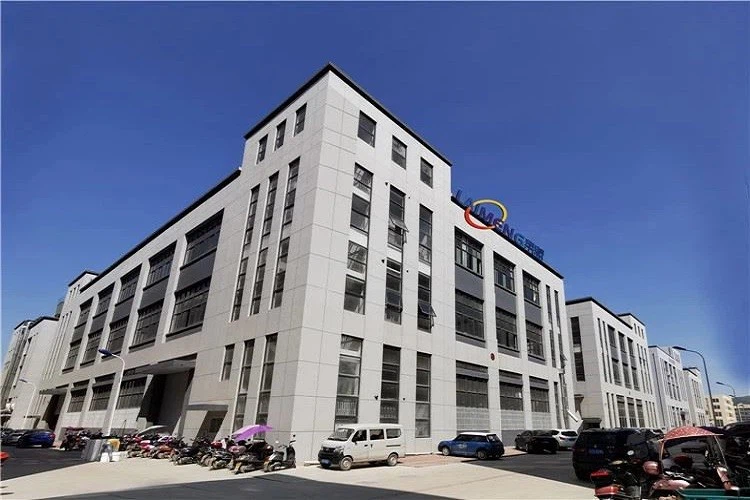
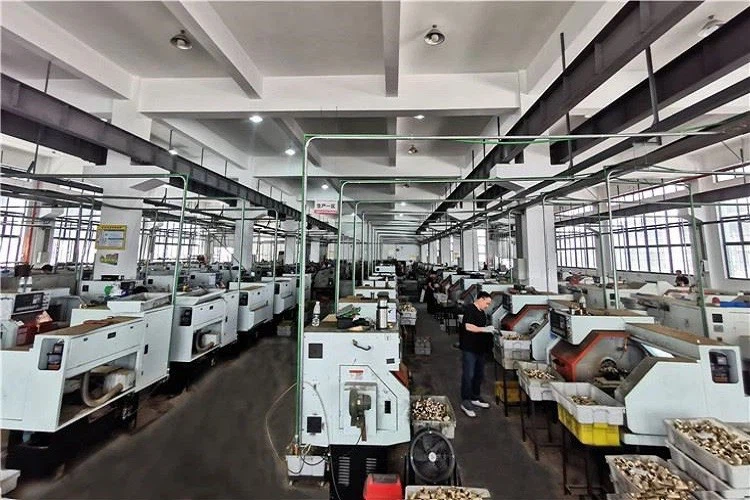
Our Factory

TAIZHOU LAIMENG FLUID CONTROL CO., LTD is a manufacturer integrating R&D, production and sales which provides one-stop service and solution for plumbing, heating and refrigeration systems of the global market. We are mainly specialized in producing thermal actuator, Mix water temperature control center, Electric thermostat for floor heating, water intelligent manifold, brass valves and fittings.

productcate-750-500
productcate-750-500
productcate-750-500
productcate-1-1
productcate-1-1
productcate-1-1
 
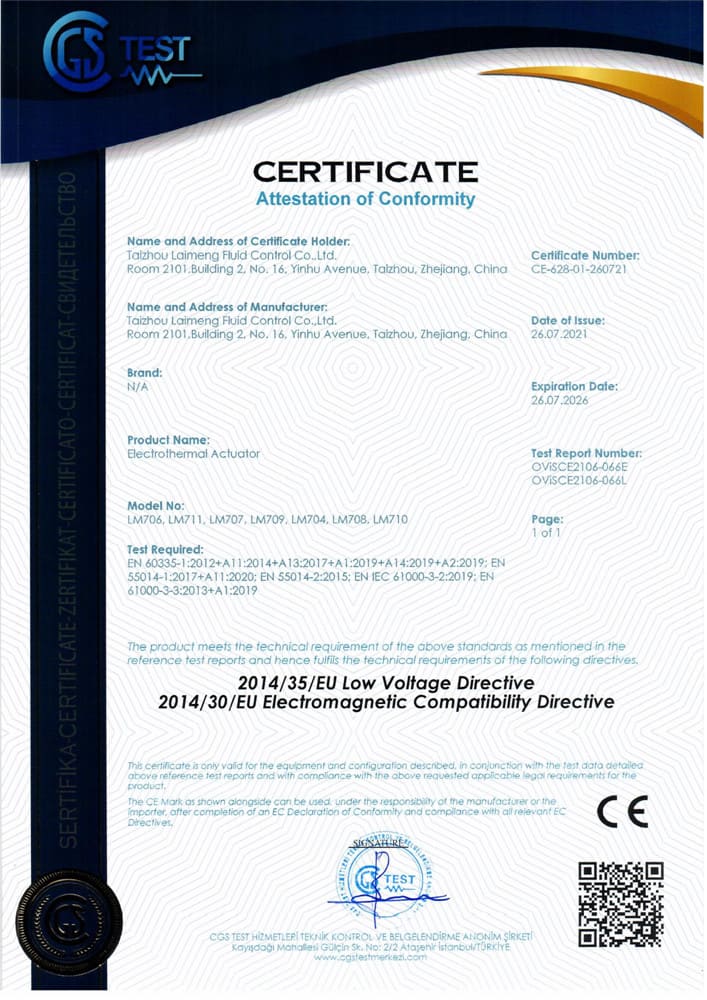
Certifications


productcate-1-1


FAQ

Q: What is temp temperature controller?

A: Temperature controllers are measurement devices used for temperature control. Dividing into thermocouple-type and resistor-type, the electronic temperature controllers obtain the temperature change from the sensor and send the measured data to the electronic processor.

Q: Why do we need temperature controllers?

A: Temperature controllers are essential for ensuring optimal performance and safety in both industrial equipment and consumer products. They are needed in any application where a specific process temperature is required to be stable.

Q: What is RTD in temperature controller?

A: An RTD stands for ‘‘Resistance Temperature Detector’’ and it is a sensor which is used to measure temperature. It works following a basic principle of when the temperature of a metal increases, the resistance to the flow of electricity increases as well.

Q: Why is temperature control important?

A: Controlling the temperature of food is extremely important in ensuring that food is safe to eat, and you must ensure that food is always cooked, cooled, chilled or reheated properly to minimise the risk of harmful levels of bacteria in the food that you sell.

Q: How to check temperature controller?

A: You will need to make sure the input selected on the controller matches the type of thermocouple or resistance thermometer connected to it. There are also a couple of controller errors that point to a fault in the temperature sensor.

Q: What is PID in a temperature controller?

A: A PID (Proportional – Integral – Derivative) controller is an instrument used by control engineers to regulate temperature, flow, pressure, speed, and other process variables in industrial control systems.

Q: What is an example of a temperature controller?

A: The simplest example of a temperature controller is a common thermostat found in homes. For instance, a hot water heater uses a thermostat to control the temperature of the water and maintain it at a certain commanded temperature. Temperature controllers are also used in ovens.

Q: What are the applications of temperature controller?

A: Temperature controllers are used in various applications, including HVAC, refrigeration, ovens, and process control systems. They are designed to control precise temperature, minimize energy usage, and prevent temperature overshoot or undershooting.

Q: What is the concept of temperature control?

A: Temperature control is a process in which change of temperature of a space (and objects collectively there within), or of a substance, is measured or otherwise detected, and the passage of heat energy into or out of the space or substance is adjusted to achieve a desired temperature.

Q: How many types of temp controllers are there?

A: There are three types of temperature controllers used to monitor temperature throughout manufacturing processes: On-off, proportional, and PID control.

Q: What is PV in temperature controller?

A: This parameter is called the process variable (PV). A sensor usually measures the PV, and this measured variable is provided as feedback to the controller in a closed loop system. The desired value for the PV, such as 40 degrees F in the case of a temperature control system, is called the set point variable (SV).

Q: How is the accuracy of a temperature controller determined?

A: As a general rule, temperature measurement and control devices must periodically be calibrated to prove their accuracy over the full operating temperature range and according to the device's data sheet definitions.

Q: What is temperature controller in office?

A: As the name implies, a temperature controller - often called a PID controller is an instrument used to control temperature. The temperature controller takes an input from a temperature sensor and has an output that is connected to a control element such as a heater or fan.

Q: What is PV and SP in temperature controller?

A: A control system has three variables: the setpoint (SP), the process variable (PV), and the output (OP) (Figure 1). The PV is the parameter to be controlled (e.g., temperature, flowrate, etc.), the SP is the desired value for the PV, and the OP is the value sent from the controller to the control element.

Q: What is the formula for temperature controller?

A: θ = C d(ΔT)/dt (2) Which is analogous to the V-I relationship of a capacitor, namely I=CdV/dt. In the case of heat, C= rate of heat flow /rate of temperature change. PID controller [1] is the most widely used controller in the industry.

Q: How does a temp controller work?

A: A controller in a temperature control system will accept a temperature sensor such as a thermocouple or RTD as input and compare the actual temperature to the desired control temperature, or setpoint. It will then provide an output to a control element.

Q: What is the principle of a temperature controller?

A: The major parts of the feedback control system are built into the Temperature Controller. A feedback control system can be built and temperature can be controlled by combining a Temperature Controller with a controller and temperature sensor that are suitable for the controlled object.

Q: What is an example of a temperature controller?

A: The simplest example of a temperature controller is a common thermostat found in homes. For instance, a hot water heater uses a thermostat to control the temperature of the water and maintain it at a certain commanded temperature. Temperature controllers are also used in ovens.

Q: What are the safety features incorporated in temperature controllers?

A: Temperature Thresholds - all components need to be able to withstand the maximum working temperature of the system with a margin of safety for over-temperature. Any cables routed near to high temperature areas should be suitable for the environment.

Q: How do temperature controllers handle over-temperature situations?

A: If it falls below the set temperature, it sends a signal to activate the heater to raise the temperature back to the setpoint. Thermostats are also used in refrigerators. So if the temperature gets too high, a controller initiates an action to bring the temperature down.

We're well-known as one of the leading temperature controller manufacturers and suppliers in China. If you're going to wholesale bulk temperature controller with competitive price, welcome to get quotation from our factory. Also, customized service is available.

1 inch thermostatic mixing valve, Straight Type Brass Ball Valve with Thermometer, brass pex manifold

(0/10)

clearall