Manifold


Manifold Manufacturers Factory Suppliers

We specialize in producing all kinds of manifold products, mainly stainless steel manifold, brass manifold, bronze manifolds, ss radiant heat manifold, loop stainless steel manifold, brass flow-meter manifold, etc.


Our products sell well in mainstream markets such as Europe, North America, Japan, South America, Oceania, and Asia. We have established long-term cooperative relationships with customers around the world, allowing customers around the world to buy high-quality products and enjoy excellent customer service.

Stainless Steel Intelligent Manifold


Company Advantages
 

High Quality Products

We employ premium raw materials in the production of our items, ensuring superior durability, extended operational lifespan, and heightened precision characteristics.

Complete Product Qualifications

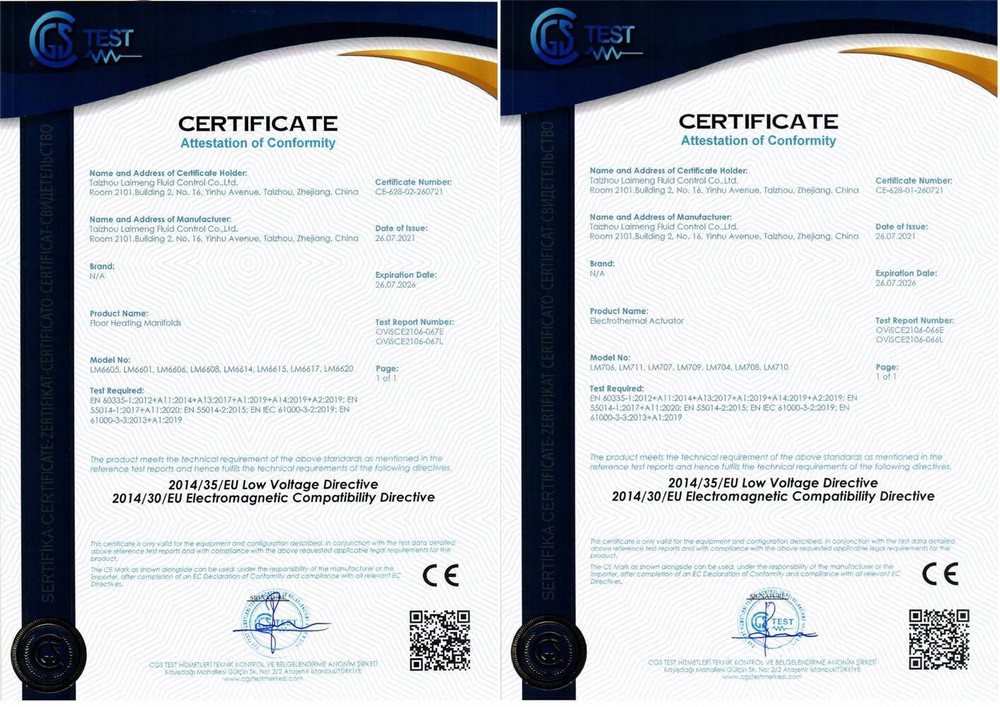
Our products all have passed test of ISO, CE, etc. The quality of our products is highly praised by customers. All of our products comply with international quality standards and are greatly appreciated in a variety of different markets throughout the world.

24-Hours Online

Our multi-lingual sales staff will provide you with 24/7 hours online service, and use their rich industry experience and powerful product database to solve your doubts about product specifications, usage and design.

Competitive Price

We provide competitive price and excellent customer service for all our customers. We also can offer different discounts based on your order quantity.

Free Samples

We can provide samples for free, and customers pay the freight. If the sample value is relatively expensive, some sample fees may be charged.

Fast Delivery

Large amounts of raw materials and advanced technology allow us to quickly meet the needs of wholesale orders and reduce customers' waiting time.


First 123 Last 1/3
Introduction to Manifold


A manifold is a fluid or gas distribution system or device that serves to bring many junctions into one place or a single channel into an area where many points meet. Manifold systems range from simple supply chambers with several outlets to multi-chambered flow control units including integral valves and interfaces to electronic networks. Complex pneumatic and hydraulic circuits can utilize manifolds and manifold systems with interfaces to sophisticated electronic networks.


Manifolds are essential components in various plumbing and heating systems. They are used for central heating and sanitary water, and for connecting the heating pipe in the water system.

Types of Manifold


Stainless Steel Manifold
A stainless steel manifold is a key part of an underfloor heating system that connects the heat source to the pipework. Stainless steel manifolds are resistant to high and low temperatures, which makes heating and cooling systems more user-friendly.


Stainless Steel Manifolds are made to last. Superior hand-welded construction and high quality stainless steel components create a reliable product on which industry depends in demanding applications. Industries served include: Military, Aerospace, Semiconductor, Plastics Injection Molding, Extrusion, Luxury Yachts and more.


Brass Manifold
A brass manifold is a hollow tube with multiple outlets that distributes fluids like water, air, or gas to different parts of a plumbing system. Brass manifolds are used in various plumbing and heating systems, including floor heating and air conditioning systems.


Bronze Manifolds
Bronze manifolds are a component of plumbing and heating systems that allow multiple pipes to connect to a single through-hull fitting. They can be combined with Acuflo boxes and mounting bases for a quick, low-cost installation.

Advantages of Manifold
Brass Water Pre Filter
Stainless Steel Intelligent Manifold
Brass Boiler Safety Components
Brass forged Manifolds

Stainless Steel Manifold
●Lightness
A pre-assembled stainless steel manifold is up to 50% lighter than a brass manifold with the same size and features.
●Mechanical Resistance
Stainless steel has a mechanical strength 20,93% higher than brass.(AISI 304L steel features a tensile strength of 520 N/mm2. CW614N brass (used for manifolds) features a tensile strength of 430 N/mm. )
●Resistance To High Temperatures
Stainless steel manifolds, resisting to high and low temperatures, are perfect for installation in heating and cooling systems.
●Premium Quality Raw Material
Stainless steel is aesthetically better than brass or polymer. It is also worlwide considered and recognized as "premium" material.
●High Flow Rate
Thanks to an increased cross-section, stainless steel manifolds have a 20% higher flow rate than brass manifolds. (1" stainless steel manifolds flow rate is 5m3/h, 1" brass manifolds flow rate is 4,2m3/h.)
●Maximum Resistance To Corrosion
No stress corrosion cracking and no electrolytic corrosion.
●No Leakage Points
Plastic manifolds are sold in polymeric modular elements, usually reinforced with fiberglass; they must be jointed together by fixing elements ( i.e. blocks or fixing screws). Hydraulic seal is guaranteed by elastomers. This means that every joint is a possible leakage point. Stainless steel manifolds are produced in one single bar in every size from 2 through 13 outlets.
●Ideal For Both Heating And Cooling Systems
The stainless steel manifold with polyethylene shell is the best replacement of the polymer manifolds for cooling systems, with the advantage of having a significantly higher flow rate than the latter.


Brass Manifold
●Brass Manifold Durability
Brass Manifolds offer an unparalleled advantage in terms of durability. Composed of an exceptionally strong metal, brass can withstand the ravages of corrosion, rust, and various environmental factors for extended periods without necessitating replacement or repair. Remarkably, it demands no specialized maintenance or care to retain its optimal condition. This characteristic renders it an exceptional choice for plumbing endeavors requiring longevity without the need for recurrent maintenance or repairs.
●Brass Manifolds Are Easy To Install
Brass presents a visually pleasing aesthetic compared to alternative metals such as copper or steel. Its golden hue adds a touch of elegance and sophistication to any space or structure employing brass piping applications.
●Brass Manifolds Easy To Customize
Brass Manifolds are relatively easy to work with compared to other metals such as copper or steel. Their malleability allows for straightforward bending and shaping, making them ideal for customized piping applications that require specific forms and configurations.
●Brass Manifolds Are Fire Resistance
Another noteworthy advantage of brass manifolds is their resistance to fire. They exhibit slower ignition properties compared to alternative materials, providing an added safety feature. Furthermore, in the event of a fire, brass manifolds do not contribute to the rapid spread of flames.
●Brass Manifolds Are Cost Effective
Brass Manifolds provide a cost-effective solution in the long run. While they may come with a higher initial price tag due to their durability and visual appeal, their longevity and minimal maintenance requirements translate into cost savings over time.


Bronze Manifolds
●Efficient Heating Distribution
Bronze Manifolds provide an efficient way to distribute hot water or heating fluids in heating systems. By offering multiple outlets, they ensure balanced and efficient distribution of fluid to different components or use points, reducing the risk of pressure loss, leaks, and uneven flow. This enhances efficiency and reduces energy consumption.
●Versatile Application
Bronze Manifolds are widely used in various heating applications, including underfloor heating, radiator systems, and heat pumps. They provide a precise control over the distribution of hot water, ensuring a consistent and comfortable indoor climate. Besides, they are also suitable for use in commercial or industrial heating systems, where they enable the effective distribution of heat to large areas with a high demand for heating.
●Easy Installation And Maintenance
Bronze Manifolds are easy to install and maintain, which reduces the time and cost of the installation process and ensures smooth operation of the system. They can be easily customized to fit the specific needs of individual heating systems, simplifying the configuration of the system and facilitating future maintenance or modifications.
●Durable Material And Corrosion Resistance
Bronze Manifolds can withstand harsh operating conditions, including high temperature and pressure, and exposure to corrosive agents without losing their strength or properties. This translates into a longer service life, lower maintenance costs, and fewer replacements.
●Efficient Space Utilization
Bronze Manifolds are compact and take up less space than traditional distribution systems, allowing better utilization of available space. They can be easily integrated into the heating system, reducing the need for additional pipes and connectors and making the system less bulky and more efficient.

Stainless Steel Intelligent Manifold

Applications of Manifold


Manifolds are used in many applications, including:

Heating

Manifolds are used in radiator systems, underfloor heating, and heat pumps. They control the distribution of hot water to ensure a comfortable indoor climate.

HVAC Systems

Manifolds distribute hot or cold water to different rooms or zones.

Irrigation Systems

Manifolds distribute water to multiple outlets or sprinklers.

Industrial Fluid Systems

Manifolds are used in water supply pipes, heating systems, and cooling systems.

Fluid Handling Applications

Manifolds are used in the automotive, assembly, and fluid distribution industries.

Working Principle of Manifold

Here's how a manifold works:


The hot water from your water heater and cold water from your supply line both feed into the manifold.


The manifold then distributes the hot and cold water to each fixture.


Pipes run from the manifold to each piece of sanitary wear (such as sinks, baths, washing machines) in continuous loops to and from the manifold.


The manifold ensures proper balancing and control of the heat distribution, allowing for efficient and comfortable heating in each zone or room.

Precautions of Manifold
 

Here are some precautions for brass manifolds:

Installation

Manifolds should be installed in a place that is easy to maintain, control, and has drainage pipes. They should not be installed in bedrooms, living rooms, storage rooms, or cabinets.

Water

Some manifolds do not comply with the "Safe Drinking Water Act" and are only for non-potable water applications.

Operating Pressure

Some manifolds have a maximum operating pressure, such as 350 psi for the Brass Style 599 Hydrant Manifold.

Safety

Precautions must be observed to protect the person doing the work.

Fluids

Some manifolds are only suitable for use with non-aggressive fluids, such as water or a water-glycol mix.

Frost

Brass and plastic fittings are susceptible to frost.

 
Certifications


productcate-1414-1000

 
Our Factory
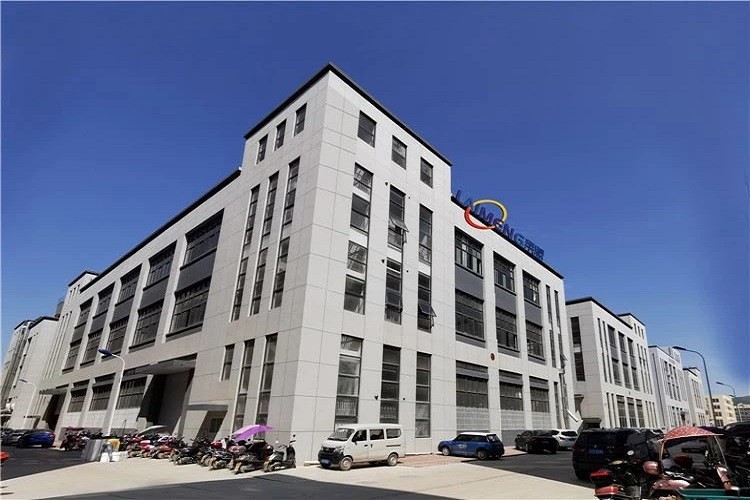
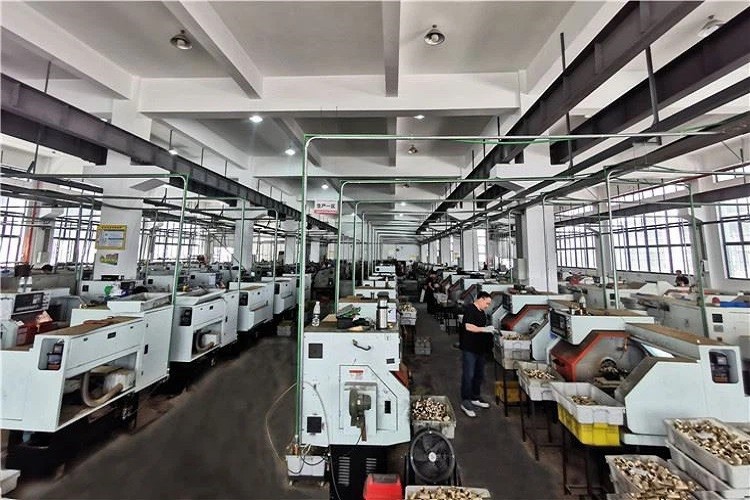
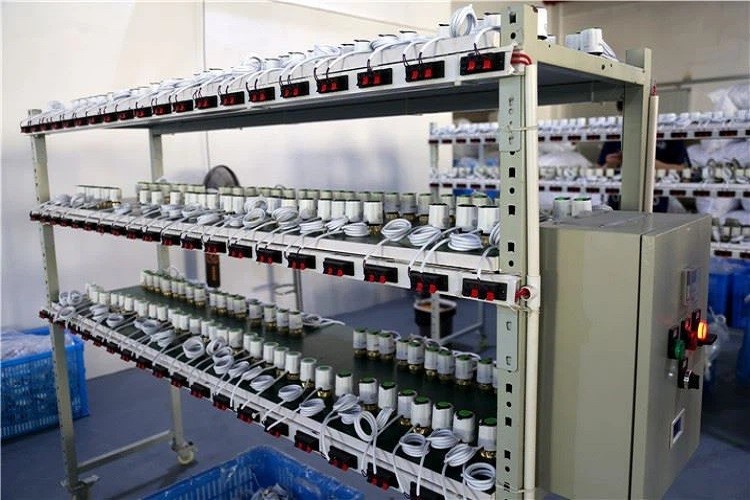
We are a full-service company providing complete design, R&D, production and sales services. Our production workshop is equipped with the most advanced equipment, and are committed to providing customers with the best products and services.
 
productcate-750-500
productcate-1-1
productcate-750-500
productcate-750-500
Frequently Asked Questions

Q: What is SS radiant heat manifold?

A: A stainless steel radiant heat manifold is a component of a heating system that distributes water or glycol to heat floors. Radiant heat manifolds are used in radiant, hydronic, or snow-melt applications.

Q: What are the advantages of SS radiant heat manifold?

A: Stainless steel radiant heat manifolds have several advantages, including: 
Corrosion resistance: Stainless steel contains chromium, which creates a corrosion-resistant film on the steel surface.
Fire and heat resistance: Stainless steel manifolds are fire and heat resistant.
Flow rate: Stainless steel manifolds have a 20% higher flow rate than brass manifolds.
Maintenance: Stainless steel manifolds are easy to install and maintain.
Comfort: Radiant heat manifolds provide even heat distribution throughout a room.
Appearance: Stainless steel manifolds have an aesthetic appearance.

Q: What are the disadvantages of SS radiant heat manifold?

A: Here are some disadvantages of SS Radiant Heat Manifolds: 
Water quality: Water quality can be expensive and requires testing and maintenance.
Installer error: Installer error can include using the wrong dope, not tightening enough, or damaging the fittings.
Installation orientation: If the manifold is installed upside down, the flowmeters may not show accurate flow.
Cost: Stainless steel can be relatively expensive compared to other materials.

Q: What does SS radiant heat manifold do?

A: A ss radiant heat manifold is a central control hub for a central heating system, specifically underfloor heating (UFH). It distributes warm water throughout the floor heating pipe loops to heat rooms.

Q: How does the manifest work?

A: Here's how a manifold works: 
●The manifold connects to the heat source with a flow and return pipe.
●The pump in the manifold circulates the warm water supply from the heat source through the flow pipe into the manifold.
●The warm water is then circulated through the top flow bar and down the pipe loops to heat the floor.
●The water then returns to the manifold into the bottom return bar.
●The water either returns to the boiler for heating or it's recycled back into circulation.

Q: What are the advantages of stainless steel manifold?

A: Stainless steel manifolds have several advantages, including: 
Fire and heat resistance: Stainless steel is resistant to fire and heat, and can withstand temperatures far below freezing.
High flow rate: Stainless steel manifolds have a 20% higher flow rate than brass manifolds.
Lightweight: Stainless steel is a lightweight alternative to cast iron, and can save up to 80% in dead weight.
Durability: Stainless steel is a durable metal that can withstand severe impacts and corrosion in alkaline solutions and chlorine-bearing environments.
Ease of cleaning: Stainless steel pressure vessels are easy to clean.

Q: What are the advantages of brass manifold?

A: Brass manifolds are an essential component in various plumbing and heating systems. They offer several advantages such as durability, thermal conductivity, easy installation and maintenance, environmental friendliness, and excellent value for money

Q: What are the advantages of bronze manifolds?

A: Bronze Manifolds are a key component in many plumbing and heating systems. Some advantages of Bronze Manifolds include: 
●Compact: Bronze Manifolds are compact and take up less space than traditional distribution systems.
●Easy to integrate: Bronze Manifolds can be easily integrated into the heating system, reducing the need for additional pipes and connectors.
●Durability: Bronze Manifolds are durable and have a nickel coating on the outside that provides stronger corrosion resistance.
●Easy installation and maintenance: Bronze Manifolds are easy to install and maintain.
●Environmentally friendly: Bronze Manifolds are environmentally friendly.
●Value for money: Bronze Manifolds offer excellent value for money.
●Prevent leaking water: Bronze Manifolds can prevent leaking water when the temperature changes.

Q: What are the disadvantages of brass manifolds?

A: Brass manifolds are used for central heating and sanitary water. Brass is a strong, corrosion-resistant alloy of copper and zinc. However, brass manifolds have some disadvantages, including: 
Cost: Brass manifolds can be expensive due to the amount of material required and the time it takes to install.
Thermal expansion: Brass Manifolds which can lead to water leakage over time.

Q: What is thermostatic mixer valve?

A: A thermostatic mixer valve (TMV) is a device that mixes hot and cold water to regulate the temperature of water used for bathing, showers, and other purposes. TMVs are installed in showers, sinks, faucets, and other plumbing fixtures.

Q: How does the thermostatic mixer valve work?

A: Thermostatic Mixer Valve work by mixing the hot water supply with a cold water supply. If the cold water supply fails, the thermostat element expands fully and moves the slide valve to close on the hot valve seat. This shuts down the hot supply and prevents scalding water from reaching the outlet.

Q: What factors will affect the service life of thermostatic mixer valve last?

A: The life span of Thermostatic Mixing Valves relies on various factors. The installation process, conditions in which they are operated should be equally emphasized too. Furthermore, the user’s behavior along with the quality and the servicing frequency also makes significant difference in its life span. Other factors such as hardness of water, arsenic water, alkalinity presence also have negative effect on the Thermostatic Mixing Valve. These elements have massive impact on the corrosion in Thermostatic Mixing Valve.

Q: What are some suggestions for purchasing brass manifold?

A: When purchasing a brass manifold, you can consider the following factors: 
Durability: Brass manifolds are durable and can withstand high pressure, temperature, and corrosive environments. When choosing a brass manifold, consider its oxidation and corrosion resistance, and whether the heating operation will produce a lot of scale.
Wall thickness: A brass manifold with a thick wall has longer corrosion resistance.
Material: Brass is a non-reactive material that resists rust and corrosion, making it ideal for plumbing and heating systems. Brass is also a good alternative to aluminum manifolds, which can erode when exposed to acidic or harsh water.
Processing technology: The processing technology should be precise.
Leaks: An all brass/copper manifold system can make it easier to find the source of a leak.

Q: What is stainless underfloor heating manifold?

A: A stainless steel underfloor heating manifold is a key part of an underfloor heating system. It connects the underfloor heating pipework to the heat source, and distributes warm water to each underfloor heating zone. 
A manifold is the central hub of the underfloor heating system. It consists of a flow bar with flowmeters and a return bar with valve pins. The manifold pump circulates warm water from the heat source through the flow pipe into the manifold. The water then circulates through the top flow bar and down the pipe loops to heat the floor. The water returns to the manifold into the bottom return bar, where it either returns to the boiler or is recycled back into circulation. 

Q: What is loop stainless steel manifold?

A: A loop stainless steel manifold is a device that distributes and controls water in hydronic systems at low and high temperatures. It can be used in radiant heating systems to distribute water or glycol to heat floors.
A Loop Stainless Steel Manifold is a wider or larger pipe or channel that connects multiple inputs or outputs for fluids. Manifold systems can range from simple supply chambers with several outlets, to multi-chambered flow control units. They are typically used to divide one supply input to multiple outputs.

Q: What are the purchasing suggestions for loop stainless steel manifold?

A: When purchasing a Loop Stainless Steel Manifold, you can consider things like: 
Size: Larger manifolds can accommodate more loops. Most manufacturers sell preassembled manifolds with 2–12 loops.
Material: Some prefer stainless steel or brass manifolds over engineered thermoplastic ones because metal is more permanent.
Maintenance: Consider how easy the manifold is to maintain.
Cost: Consider the cost-effectiveness of the manifold.
Supplier: Consider the reputation of the supplier.
Environmental impact: Consider the environmental impact of the manifold.

Q: What is flow-meter manifold?

A: A flow-meter manifold is a valve block that contains flow meters. It allows the user to measure, control, and view the flow rate in different lines, also known as loops. 
The flow-meter manifolds are attached to the supply side of the manifold and are used to correct and balance the flow of water or water/glycol mix. Each flowmeter/line has integral valves that allow the flow for that line to be increased, decreased, or turned off completely.

Q: What are the applications of manifold?

A: Manifold is often used for:
●In the floor heating system, the manifold manages a number of branch pipes, and is installed above the exhaust valve, automatic constant temperature valve, etc., generally use brass material. The diameter is small, mostly between DN25 and DN40. There are many imported products.
●Air conditioning water system, or other industrial water systems, in the same management a number of branch pipes, including backwater branch and water supply branch, respectively, but its more than larger DN350 — DN1500, made of steel plate, as part of the pressure vessel professional manufacturing company, the need to install the pressure gauge thermometer, automatic exhaust valve, relief valve, exhaust valve, etc., A pressure regulating valve must be installed between the two containers, and an automatic bypass pipe must be used to assist
●The use of tap water supply system and water distributor effectively avoids the loophole in tap water management, centralizes installation and management of water meters, and coordinates the use of single pipe and multiple channels, which reduces the cost of pipe purchasing, greatly reduces the construction time and improves efficiency.

We're well-known as one of the leading manifold manufacturers and suppliers in China. If you're going to wholesale bulk manifold with competitive price, welcome to get quotation from our factory. Also, customized service is available.

components of a boiler heating system, brass ball valve, electric actuator

(0/10)

clearall