Brass Manifold

Brass Manifold Manufacturers Factory Suppliers


We specialize in producing all kinds of Brass Manifold products, mainly brass casting manifolds, brass forged manifolds, brass flow-meter manifolds, brass manifold for heating system, etc.


Our products sell well in mainstream markets such as Europe, North America, Japan, South America, Oceania, and Asia. We have established long-term cooperative relationships with customers around the world, allowing customers around the world to buy high-quality products and enjoy excellent customer service.


Company Advantages
 

High Quality Products

We employ premium raw materials in the production of our items, ensuring superior durability, extended operational lifespan, and heightened precision characteristics.

Complete Product Qualifications

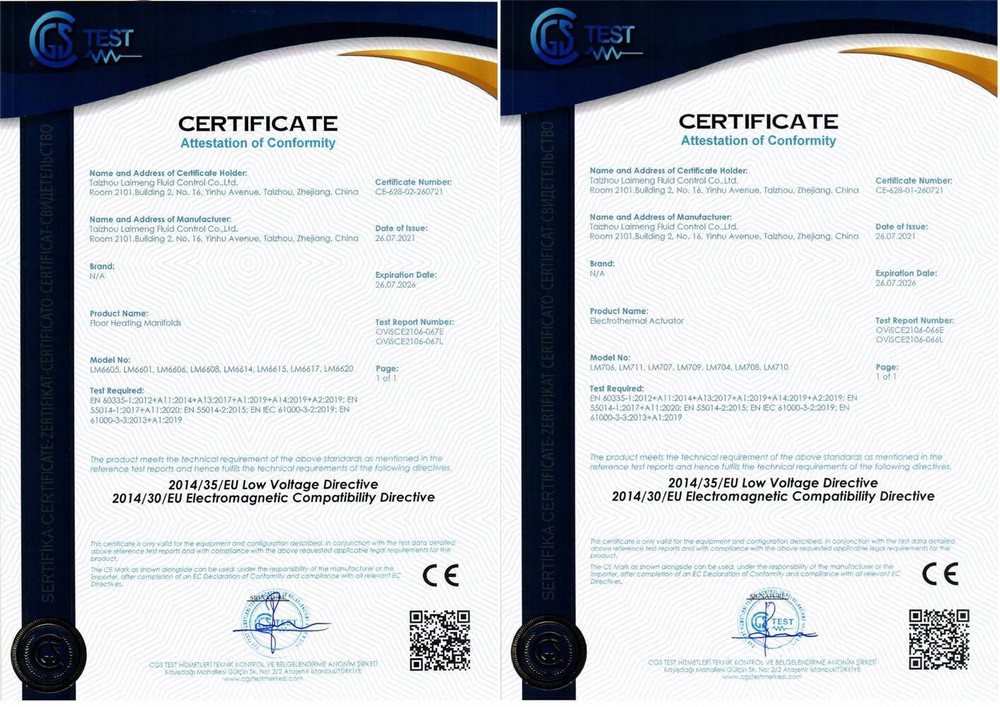
Our products all have passed test of ISO, CE, etc. The quality of our products is highly praised by customers. All of our products comply with international quality standards and are greatly appreciated in a variety of different markets throughout the world.

24-Hours Online

Our multi-lingual sales staff will provide you with 24/7 hours online service, and use their rich industry experience and powerful product database to solve your doubts about product specifications, usage and design.

Competitive Price

We provide competitive price and excellent customer service for all our customers. We also can offer different discounts based on your order quantity.

Free Samples

We can provide samples for free, and customers pay the freight. If the sample value is relatively expensive, some sample fees may be charged.

Fast Delivery

Large amounts of raw materials and advanced technology allow us to quickly meet the needs of wholesale orders and reduce customers' waiting time.


We are the largest Business expert


A brass manifold is a hollow tube with multiple outlets or branches that distribute fluids like water, air, or gas to different parts of a plumbing system.


In heating systems, brass manifolds are a central distribution point for hot water or other heating fluids. They are used to distribute and control the thermal carrier (water and water/glycol mixtures) in heating and conditioning systems.


Brass manifolds are available in sizes ranging from 22mm x 8mm to 22mm x 10mm. They are a perfect solution for plumbing and heating applications in both industrial and domestic situations.

We are the largest Business expert

The Brass Manifold produced by our company mainly include the following types: 

Types of Brass Manifold

Brass Casting Manifolds are Brass Manifolds produced using Casting technology. These Brass Manifolds are suitable for distributing and controlling water in heating systems at low and high temperatures.


Brass Casting Manifold is easy to cast and has favorable strength properties. It also has excellent resistance to corrosion and superior machining and polishing characteristics.

Brass forged Manifolds

Brass forged manifolds are a type of manifold that is used in various industries. They are known for their durability and longer life standards.


Brass forged Manifold is an alloy of copper and zinc that is heated up to 900 degrees Fahrenheit before it is squeezed into shape in precision-machined closed die presses. This gives the resulting material more tensile strength as compared to its molded counterparts.


The forged brass process yields a stronger, denser brass that can accurately display the intricacies of any design. Forged brass is tougher than casting brass because of the thermal and metallurgical process it goes through.

Brass Flow-meter Manifolds

A Brass Flow-meter Manifolds is a section of pipe with built-in ports to distribute water. The manifold system pipes water to each fixture.


Brass Flow-meter Manifolds are hollow tubes with multiple outlets that distribute fluids like water, gas, or air to different parts of a plumbing system.


Brass flow-meter manifolds are used to control the flow rate for different rooms.

Advantages of Brass Manifold
Loop Stainless Steel Manifold
 

Efficient Heating Distribution

Brass manifolds provide an efficient way to distribute hot water or heating fluids in heating systems. By offering multiple outlets, they ensure balanced and efficient distribution of fluid to different components or use points, reducing the risk of pressure loss, leaks, and uneven flow. This enhances efficiency and reduces energy consumption.

Loop Stainless Steel Manifold
 

Versatile Application

Brass manifolds are widely used in various heating applications, including underfloor heating, radiator systems, and heat pumps. They provide a precise control over the distribution of hot water, ensuring a consistent and comfortable indoor climate. Besides, they are also suitable for use in commercial or industrial heating systems, where they enable effective heating distribution to large areas with a high demand for heating.

Loop Stainless Steel Manifold
 

Easy Installation And Maintenance

Brass manifolds are easy to install and maintain, which reduces the time and cost of the installation process and ensures smooth operation of the system. They can be easily customized to fit the specific needs of individual heating systems, simplifying the configuration of the system and facilitating future maintenance or modifications.

Loop Stainless Steel Manifold
 

Durable Material And Corrosion Resistance

Brass, which is known for its durability and corrosion resistance, is the preferred material for making manifolds. It can withstand harsh operating conditions, including high temperature and pressure, and exposure to corrosive agents without losing its strength or properties. This translates into a longer service life, lower maintenance costs, and fewer replacements.

Loop Stainless Steel Manifold
 

Efficient Space Utilization

Brass manifolds are compact and take up less space than traditional distribution systems, allowing better utilization of available spaces. They can be easily integrated into the heating system, reducing the need for additional pipes and connectors and making the system less bulky and more efficient.

Applications of Brass Manifold


Brass manifolds are essential industrial components that play a vital role in the distribution of gas or fluid. They are easier to install than stainless steel manifolds because they have lower material hardness.
Brass manifolds are used in a variety of applications, including:

  • Heating: Brass manifolds are used in underfloor heating, radiator systems, and heat pumps. They help control the distribution of hot water to ensure a comfortable indoor climate.
  • HVAC systems: Brass manifolds distribute hot or cold water to different rooms or zones.
  • Irrigation systems: Brass manifolds distribute water to multiple sprinklers or outlets.
  • Fluid handling applications: Brass manifolds are used in the automotive, assembly, and fluid distribution industries. They provide a convenient junction point for media distribution.
  • Drinking water installations: Brass manifolds are used in potable water installations.
 
Working Principle of Brass Manifold
A Brass Manifold system can work in different ways, depending on the type of system:


Heating System
The brass manifold acts as a central hub that connects the supply and return lines. It controls the flow of hot water throughout the heating system to maintain a comfortable temperature. The manifold is connected to the heat source with both a flow and a return pipe. The pump in the manifold circulates the warm water supply from the source through the flow pipe into the manifold.


Plumbing System
Thebrass manifold acts as the center of the home's plumbing system. It connects to other water supply lines so hot and cold water can reach every area of the home. The hot water line is connected to the manifold directly from the water heater, while the cold line is connected from the main supply line. Pipes run from the manifold to each piece of sanitary wear in continuous loops.


Production Pipelines
The brass manifold system provides an interface for production pipelines, submarine pipelines, and oil wells. It also combines oil and gas for transport.

Loop Stainless Steel Manifold

Maintenance Tips for Brass Manifold


Here are some maintenance tips for brass manifolds:  

Cleaning

Use a brass hand wire brush to clean RTV from aluminum and plastic valve covers and intake manifolds. You can also ultrasonically clean the clamp plate, manifold plate channels, counter-bores, and valve pins.

Leaks

If you experience leaks at the valve connection, you can try re-tightening the brass packing nut onto the manifold body. Before doing this, check for debris inside the manifold.

Repainting

If you want to repaint the manifold, use a high-temp paint.

Removing Rust

When removing rust, be careful not to damage the valves with a wire wheel or other cleaning tool.

Purging

During long shutdown periods or when the gas supply is shut off, you can purge the manifold system by letting a small amount of inert gas pass through it. You can also depressurize and pressurize the manifold with the inert gas.

Precautions for Using Brass Manifold

Here are some precautions for using brass manifolds:

Installation Location

Manifolds should be installed in a place that is easy to maintain, control, and has drainage pipes. They should not be installed in bedrooms, living rooms, storage rooms, or cabinets.

Air Release

Before using a manifold, use the air relief valve to release air from the product. This will keep unwanted air out of the water system.

Flushing

If the system water has high levels of sludge and other contaminants, flush the system with a chemical cleaning product before installing the manifolds.

Chemicals

Some brass manifolds can expose you to chemicals including lead, which is known to cause cancer and birth defects or other reproductive harm.

Brass Manifold Purchasing Advice


When choosing a brass manifold, you can consider things like:

  • Installation: Brass is softer than stainless steel, making it easier to install.
  • Cost: Brass is a non-ferrous metal, so it can be more expensive than stainless steel.
  • Warranty: Brass manifolds typically have a warranty period of 2–3 years.
  • Leaks: Some recommend all-brass or all-copper manifold systems because they don't have plastic parts that can break down and leak.
  • Thermal Expansion: Brass has the same thermal expansion rate as most plumbing parts, which can help prevent leaks when temperatures change.
 
Certifications


productcate-1414-1000

 
Our Factory
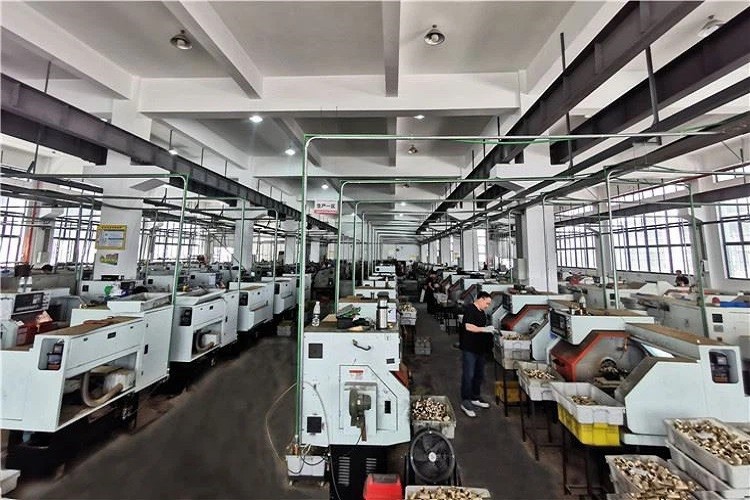
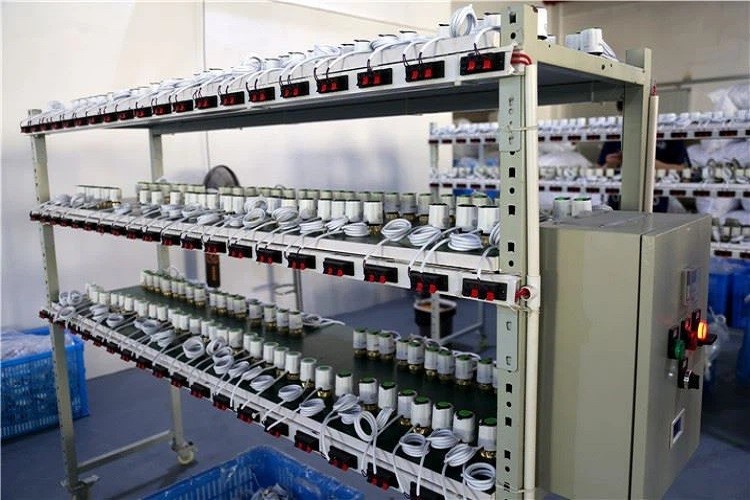
We are a full-service company providing complete design, R&D, production and sales services. Our production workshop is equipped with the most advanced equipment, and are committed to providing customers with the best products and services.
 
productcate-750-500
productcate-1-1
productcate-750-500
productcate-750-500
Frequently Asked Questions

Q: What are the disadvantages of Brass Manifold?

A: Brass manifolds have some disadvantages, including: 
●Cost: Brass is a non-ferrous metal that is more expensive than stainless steel. The initial cost of brass pipes is usually higher than other materials like copper or steel.
●Strength: Brass has relatively low strength and fatigue resistance compared to other metals, such as steel or aluminum. Brass can deform or fracture under high loads or repeated cycles of stress.
●Corrosion: Brass corrodes easily in hot soils and acidic or contaminated water.
●Maintenance: Brass manifolds have a general warranty period of 2-3 years.
●Weight: A pre-assembled stainless steel manifold is up to 50% lighter than a brass manifold with the same size and features.

Q: What are the advantages of forged Brass Manifolds?

A: Forged brass manifolds have several advantages, including: 
Durability: Forged brass is stronger and denser than cast brass, making it more durable and able to withstand stronger impacts. Brass is also a non-reactive material that resists rust and corrosion, making it ideal for plumbing and heating systems.
Thermal conductivity: Brass manifolds have excellent thermal conductivity, which enhances heat dissipation and prevents overheating.
Smooth finish: Forged brass has a smoother finish than cast brass, without the imperfections that can occur during the casting process.
Mechanical strength: Forged shapes provide mechanical strength.

Q: What are the disadvantages of Brass Flow-meter Manifolds?

A: Some disadvantages of brass flow-meter manifolds include: 
Pipe diameter: Brass Flow-meter Manifolds are only suitable for small and medium pipe diameters, with a maximum diameter of DN150mm.
Fluid calibration: If the fluid used is different from the factory calibration fluid, the flow indication must be corrected.
Pressure loss: Brass Flow-meter Manifolds are designed to minimize pressure loss, but some permanent pressure loss is still associated with their use.
Initial cost: Brass Flow-meter Manifolds have a high initial cost.

Q: How to cast brass manifolds?

A: ●Prepare the pattern: Start by creating a pattern of the brass manifold, either by hand or using a CAD program. Make sure the pattern is made from a material that can withstand the high temperatures of the casting process.
●Create the mold: Create a mold for the brass manifold using sand and a binder. This mold will serve as the form for the casting.
●Heat the mold: Heat the mold to the melting point of the metal you will be using for the casting.
●Pour the metal: Once the mold has been heated, carefully pour the molten metal into the mold. Allow the metal to cool before removing the mold.
●Remove the casting: Remove the casting from the mold and use an abrasive wheel to clean off any excess material.
●Finishing touches: Sand and polish the casting to finish the brass manifold.

Q: How to forged brass manifolds?

A: Brass manifolds are forged using a process called "hot forging". This process involves heating metals to high temperatures and then subjecting them to plastic deformation. This process allows manufacturers to create complex shapes that are not possible with cold or warm forging. 
Here are the steps involved in the forging process: 
●Cut slugs are placed between dies.
●Force is applied as the dies are pressed together.
●The brass slug flows, while remaining solid, to fill cavities in the dies.
●This creates a new shape configuration and enhances the material properties.

Q: What is the difference between Stainless Steel Manifolds and Brass Manifolds?

A: Stainless Steel manifold is a long-term corrosion resistive. It has low levels of ferrite and magnetism. It helps to drop the possibility of contact corrosion. The manifolds are accumulated & ready to use. The supply side has an adjustable flow meter. The return side has balanced on/off valves. The adjustable flow meter permits a positive shut-off. At the same time, the manual plastic cap on the return valve can be detached to accommodate a valve actuator. The return balancing valve disc enables precise adjustments of small flows. The branch Cv value is 1.38. The return balancing valve disc enables precise adjustments of small flows.
Brass Manifolds are made from superior extruded brass. There are 2 to 6-loop modular sections. These three types are valved, valveless, and balancing with the flowmeter. For supply, you must use the balancing section with adjustable flow meters. You can also use the valveless section. It would be best to use the valved area with on/off valves for the return. An actuator valve adapter is also needed. The return balancing valve disc enables precise adjustments of small flows. The branch Cv value is 1.2. The manifold body allows flows up to 14 GPM.

Q: What types of manifold are there?

A: By construction there are brass and plastic manifold. Plastic is generally a simple tube with multiple branches, brass is generally flow and return rails mounted on an offset bracket. Co-planar (or bi-polar) manifolds will be discussed later.
By function there are three types: –
Type 1 – Manifold supplying wall hung radiators, with Thermostatic Radiator valves (TRV’s) and lockshields on the radiator.
Type 2 – Manifolds supplying wall hung radiators, no longer using a TRV, but instead using a pair of Wheelheads or Lockshields on the radiator. It uses a wall thermostat instead of a TRV, wired back to the manifold, which has an electrothermic head on the return rail.
Type 3 – Manifolds as per type 2, supplying underfloor heating circuits, but incorporating a secondary pump and a temperature controller.

Q: How to disassemble the Brass Manifold?

A: Here are some steps for disassembling a brass manifold: 
●Remove the handles.
●Remove the piston assemblies.
●Remove all components from the manifold.
●Clean the valve seat and brass components.
●Open the repair kit.
●Start reassembly.
●Valve assembly.
Here are some other tips for disassembling a brass manifold: 
●Ensure the sightless (if fitted) has no damage.
●Hold the release button against the manifold body and remove the tubing.
●Make sure the manifold ports are clean and free of debris.
●Lubricate the leading end of the tubing with light oil or petroleum jelly.
●Use a screw gun with a Philips tip on a low torque setting or a phillips screwdriver.
●Use a crescent wrench or a three-quarter inch wrench for the retaining nuts.
●Use a quarter inch socket or a torque wrench for the sight glass.
●Use appropriate eye protection.

Q: What are the installation instructions for Brass Manifold?

A:Here are some instructions for installing a brass manifold: 
●Close the white loop isolation valves on each loop of the return header.
●Fully open each circuit balancing valve on the supply header.
●Close and cap the fill/drain valve on the supply header.
●Close the 1" ball valve on the return header and close both air vents.
●Install the brass manifold adapter ring.
●Tighten the adapter ring by hand.
●Install the actuator.
●Thread on the MVA.

Q: Why brass flow-meter manifolds not working?

A: Here are some reasons why brass flow-meter manifoldss might not be working: 
Obstructions: Blockages or obstructions can cause brass flow-meter manifolds failure or inaccuracy.
Fluid properties: Unexpected changes in fluid properties can cause brass flow-meter manifolds failure or inaccuracy.
Sensor fouling: Sensor fouling can cause brass flow-meter manifolds failure or inaccuracy.
Wear and tear: Long-term use can cause wear and tear that affects the meter's performance.
Calibration: Incorrect calibration can cause brass flow-meter manifolds failure or inaccuracy.
Installation: Improper installation can cause brass flow-meter manifolds failure or inaccuracy.
Environmental factors: Environmental factors like temperature, pressure, and water quality can impact the performance of brass flow-meter manifolds.
Vibration: Piping vibration can skew volume measurements.
Fluid viscosity and density: These factors can affect the measurement accuracy of orifice brass flow-meter manifolds.

Q: How long does a Brass Manifold last?

A: Most experts suggest that a brass manifold will have a life expectancy of six to eight years. However, heavy use in saltwater can see this drop to as low as three years, while lightly used freshwater boats can get up to 20 years out of a brass manifold.

Q: Will Brass Manifold rust?

A: Brass is a non-reactive material that resists rust and corrosion, which makes it ideal for plumbing and heating systems. Additionally, brass manifolds have a long lifespan, which reduces the need for frequent replacements.

We're well-known as one of the leading brass manifold manufacturers and suppliers in China. If you're going to wholesale bulk brass manifold with competitive price, welcome to get quotation from our factory. Also, customized service is available.

manifold, stainless steel air manifold, Radiant Manifolds

(0/10)

clearall