Stainless Steel Manifold

What is Stainless Steel Manifold


Conventional Stainless Steel Manifolds have a more robust construction with half-couplings welded to the tubing to form each port. These are recommended for manifolds that experience multiple changes to fittings or couplings. Other port and inlet sizes are available on a custom basis.

 
Benefits of Stainless Steel Manifold
 
01/

Corrosion Resistance
Stainless steel is known for its excellent corrosion resistance properties. It can withstand exposure to moisture, chemicals, and harsh environments without rusting or corroding. This corrosion resistance makes stainless steel manifolds suitable for applications where contact with water, chemicals, or corrosive substances is a concern.

02/

Durability and Strength
Stainless steel is a strong and durable material, allowing stainless steel manifolds to withstand high pressures and temperature variations without deformation or failure. This durability makes stainless steel manifolds suitable for demanding applications in industries such as oil and gas, chemical processing, and HVAC systems.

03/

Hygienic Properties
Stainless steel is a non-porous material that is easy to clean and maintain. It resists bacterial growth and is suitable for applications that require high levels of hygiene, such as food processing, pharmaceuticals, and medical applications.

04/

Compatibility
Stainless steel is compatible with a wide range of fluids and gases, including aggressive or high-temperature media. It is resistant to many chemicals and can handle various fluid types, making stainless steel manifolds versatile for different applications.

05/

Aesthetic Appeal
Stainless steel has an attractive, modern appearance that can enhance the aesthetics of the manifold installation. It is often chosen for applications where visual appeal is a consideration, such as architectural or decorative installations.

06/

Recyclability
Stainless steel is a recyclable material, meaning stainless steel manifolds can be recycled and reused, making them environmentally friendly and sustainable.

First 12 Last 1/2
Why Choose Us
 

Customer service

We firmly believe that we offer THE BEST customer support in the industry and it is our ongoing goal to continually improve on our services. As an independently owned and operated business, we are able to provide the most accommodating service possible.

Professional Team

We have a team of skilled and experienced professionals who are well-versed in the latest technology and industry standards. Our team is dedicated to ensuring that our customers get the best service and support possible.

High quality products

We always put customer needs and expectations in the first place, refine on, continuous improvement, to seek every opportunity to do better, to provide customers with their expectations of quality products, to provide customers with the most satisfactory service at anytime.

Advanced equipment

We take great measures to ensure that we work with the industry' s highest quality equipment and that our equipment is regularly and meticulously maintained.

Efficient and convenient

The company has established marketing networks around the world to provide high-quality services to customers in an efficient and convenient manner.

Competitive Prices

We offer our products at competitive prices, making them affordable for our customers. We believe that high-quality products should not come at a premium, and we strive to make our products accessible to all.

Exhaust System with Stainless Steel Manifold


Whatever machine you are assembling now, make sure the exhaust system uses a stainless steel manifold. How the exhaust manifold works is simple as the first part of the engine exhaust system. Although simple, this part serves an important function by collecting your engine' s emissions.


The exhaust stainless steel manifold receives fuel from several cylinders in the engine. Regardless of the number of cylinders, they will definitely have a turn towards the exhaust manifold. Apart from collecting all the engine gas that has gone through the combustion process, the exhaust manifold also receives all the useless gas.


Never ignore the exhaust manifold. Once you ignore it, the potential for high value problems that require engine repairs will continue to lurk. By using stainless steel manifold, you will increase the life expectancy of the machine for longer.


You also still need to check the condition of the manifold periodically for maintenance and cleaning. External influences such as salt water around a boat or ship can also make the manifold or even the engine shorten its life. If a ship sailing in good water can maintain its manifold for up to 20 years, then for salt water the life expectancy is less than 10 years. The antifreeze coolant in the engine is often part of the solution to cool the manifold so it doesn' t get old and worn out quickly.

 
Stainless Steel Manifold Market Size And Scope

Driven by several key strategies and factors, the stainless steel manifold market is set to witness substantial growth in the coming years. Market players are increasingly focusing on product innovation and development to meet changing consumer needs and preferences. Expansion into emerging markets and strategic partnerships or collaborations are also key strategies for market growth. Investment in R&D to enhance technological advancement and improve product quality also plays a vital role. The future prospects of the market look promising owing to the increasing adoption of digitalization and integration of advanced technologies, which is expected to open new avenues for growth and innovation.

The Application of Stainless Steel Manifold
 

HVAC Systems
Stainless steel manifolds are widely used in heating, ventilation, and air conditioning (HVAC) systems. They serve as distribution points for hot or cold water in radiant heating and cooling systems. The manifolds help regulate the flow of water to different zones or rooms, allowing for individual temperature control.


Plumbing Systems
In plumbing systems, stainless steel manifolds are used to distribute water supply or control the flow of water. They are commonly found in residential and commercial buildings, where they act as central distribution points for hot and cold water. Manifolds allow for easy connection of multiple outlets or fixtures, such as faucets, showers, and toilets.


Underfloor Heating Systems
Stainless steel manifolds are integral components of underfloor heating systems. They distribute hot water evenly across the underfloor pipes or tubing, ensuring efficient and uniform heating throughout a space. Manifolds for underfloor heating typically have multiple outlets to accommodate the network of pipes.


Industrial Process Control
In industrial applications, stainless steel manifolds are utilized for process control and fluid distribution. They help regulate and direct the flow of fluids, gases, or chemicals in manufacturing processes, ensuring proper distribution to different equipment or production lines.

Loop Stainless Steel Manifold


Stainless Underfloor Heating Manifold

Automotive Industry
Stainless steel manifolds find applications in automotive systems, particularly in exhaust systems. Exhaust manifolds made of stainless steel are resistant to heat, corrosion, and vibration. They collect exhaust gases from the engine cylinders and direct them to the exhaust system, contributing to engine performance and emissions control.


Oil and Gas Industry
Stainless steel manifolds play a crucial role in the oil and gas industry. They are used for fluid distribution, control, and measurement in various stages of oil and gas extraction, refining, and transportation processes. Manifolds are employed in wellheads, pipelines, and refineries to regulate the flow of oil, gas, and related fluids.


Hydraulic Systems
Stainless steel manifolds are utilized in hydraulic systems to distribute hydraulic fluid to different components or circuits. They act as junction points for connecting pumps, valves, actuators, and other hydraulic elements. Manifolds ensure proper fluid flow and pressure control within hydraulic systems.

Stainless Steel Manifold Market Overview


The Stainless Steel Manifold Market size is expected to develop revenue and exponential market growth at a remarkable CAGR during the forecast period from 2023–2030. The growth of the market can be attributed to the increasing demand for Stainless Steel Manifold owning to the Commercial, Industrial Applications across the global level. The report provides insights regarding the lucrative opportunities in the Stainless Steel Manifold Market at the country level. The report also includes a precise cost, segments, trends, region, and commercial development of the major key players globally for the projected period.


The Stainless Steel Manifold Market report represents gathered information about a market within an industry or various industries. The Stainless Steel Manifold Market report includes analysis in terms of both quantitative and qualitative data with a forecast period of the report extending from 2023 to 2030. The report is prepared to take into consideration various factors such as Product pricing, Product or services penetration at both country and regional levels, Country GDP, market dynamics of parent market & child markets, End application industries, major players, consumer buying behavior, economic, political, social scenarios of countries, many others. The report is divided into various segments to offer a detailed analysis of the market from every possible aspect of the market.


The overall report focuses on primary sections such as – market segments, market outlook, competitive landscape, and company profiles. The segments provide details in terms of various perspectives such as end-use industry, product or service type, and any other relevant segmentation as per the market' s current scenario which includes various aspects to perform further marketing activity. The market outlook section gives a detailed analysis of market evolution, growth drivers, restraints, opportunities, and challenges, Porter' s 5 Force' s Framework, macroeconomic analysis, value chain analysis and pricing analysis that directly shape the market at present and over the forecasted period. The drivers and restraints cover the internal factors of the market whereas opportunities and challenges are the external factors that are affecting the market. The market outlook section also gives an indication of the trends influencing new business development and investment opportunities.

All the Reasons Why Stainless Steel Manifolds Are Ideal for Floor Cooling
 

Polyethylene Shell
The possibility to combine expanded polyethylene casing with stainless steel manifolds also makes this product suitable for radiant cooling systems. Radiant floor systems effectively cope with sensitive summer loads but cannot intervene in latent loads. Condensation often occurs on the stainless steel rods at flow temperatures between 15°C and 18°C: this is avoided thanks to the polyethylene casing.


Greater Capabilities
Due to the increased cross-section, stainless steel manifolds have a 20% higher flow range than brass manifolds.
The input flow rate of 1’’ stainless steel manifold is 5m3/h; for the same size brass manifold, it is 4.2m3/h.


Future Guarantee
If we also take into account the increasing use of condensing boilers (only heating) and heat pumps (hot and cold), it is easy to see that the near future will be characterized by high-capacity systems, supplemented by stainless steel manifolds.


Cooling Power
Thanks to the design evolution of continuous parallel planes, stainless steel manifolds are able to guarantee significantly higher flow rates.
The possibility of having high flow rates can improve the performance of the system.
Therefore, greater cooling capacity is achieved and more heat is neutralized.

 
The Definition Of Stainless Steel Manifold

Manifold is a water distribution and collection device used to connect various heating pipes for water supply and return in the water system. Press the incoming and outgoing water as the water separator and water collector. Therefore, it is called a manifold or water collector, commonly known as a water separator.Water separator A fire-fighting appliance that connects the main fire-fighting water supply line and multiple branch water outletsPress the incoming and outgoing water as the water separator and water collector. Therefore, it is called a manifold or water collector, commonly known as a water separator. Manifold is a water distribution and collection device used to connect various heating pipes for water supply and return in the water system. The water divider used in floor heating and air conditioning systems should be made of brass, and the water divider used in the renovation of the household meter of the tap water supply system is mostly PP or PE. Both supply and return water are equipped with exhaust valves, and many water separators are also equipped with drain valves. The front end of the water supply should be equipped with a "Y" type filter. Each branch of the water distribution pipe should be equipped with a valve to adjust the water volume.

 
Comparing Brass and Stainless Steel Manifolds
 

Cost
Compared to stainless steel, which contains many other alloying substances such as chromium and nickel, brass manifolds have a higher copper and lower zinc content, making them more cost-effective. Although stainless steel manifolds are initially more expensive, they offer longer life and durability, making them a cost-effective option in the long run.


Durability
Both brass and stainless steel have excellent resistance to corrosion and wear in everyday use. However, if it is required for long-term use and needs to withstand high pressure and friction, then stainless steel is better. Stainless steel is composed of iron, chromium, nickel, and other alloying, with high strength and corrosion resistance, suitable for stainless steel kitchenware, medical equipment, chemical equipment, and so on. Brass, on the other hand, is composed of copper and zinc, and although it can also resist corrosion well, it is easy to oxidize over a long period and has a dark yellow surface.


Environmental Impact
Brass and stainless steel are both recyclable metal materials. However, the wastewater produced by brass during processing will contain heavy metal ions such as copper and zinc, causing environmental pollution. Stainless steel, on the other hand, can reduce the impact of pollution on the environment through particular treatment and is better in terms of environmental protection.


Choose a Stainless Steel Manifold


Stainless steel manifold manufacturing using 304 stainless steel materials and related manufacturing processes, it has a service life of at least 70 years.


Stainless steel manifold corrosion resistance, anti-rust performance is one of its outstanding advantages, because its surface has been passivated, can effectively prevent oxidation reaction.


The thermal conductivity of stainless steel manifold is 1/25 of copper pipe and 1/4 of ordinary steel pipe, it does not lose too much heat in the conveying process, especially suitable for hot water conveying. Major manufacturers are using 304 stainless steel material for production and processing, so it can meet most of the supply water treatment and conveying conditions.


Since stainless steel itself has strong corrosion resistance, it can protect water quality from pollution and prevent scale deposits on the inner surface of water pipes, stainless steel requires almost no maintenance and significantly reduces the leakage rate.


Stainless steel manifold has excellent mechanical properties, can withstand hammering and thermal expansion and contraction, no leakage and no bursting, manifold built-in balance valve spool, can be set for the horizontal balance of each branch. Precise adjustment of branch flow, system operation more energy efficient.

 
Our Factory

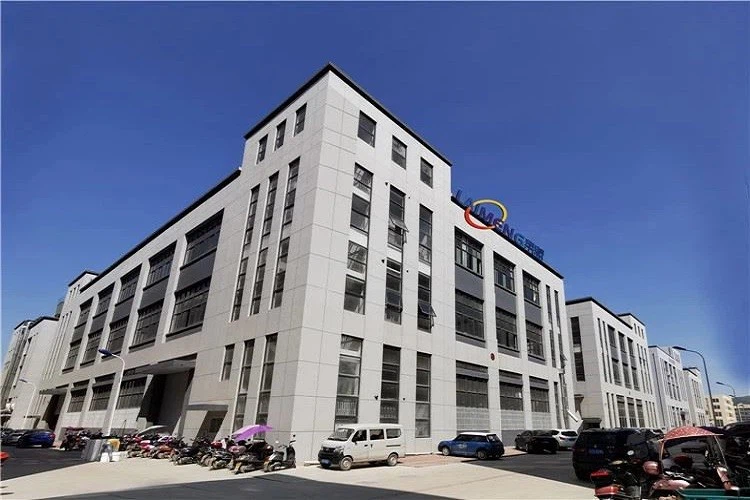
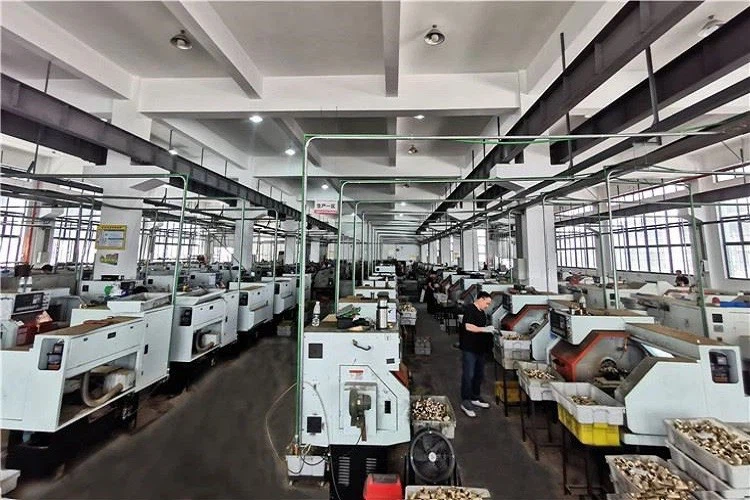
TAIZHOU LAIMENG FLUID CONTROL CO., LTD is a manufacturer integrating R&D, production and sales which provides one-stop service and solution for plumbing, heating and refrigeration systems of the global market. We are mainly specialized in producing thermal actuator, Mix water temperature control center, Electric thermostat for floor heating, water intelligent manifold, brass valves and fittings.

productcate-750-500
productcate-750-500
productcate-750-500
productcate-1-1
productcate-1-1
productcate-1-1
 
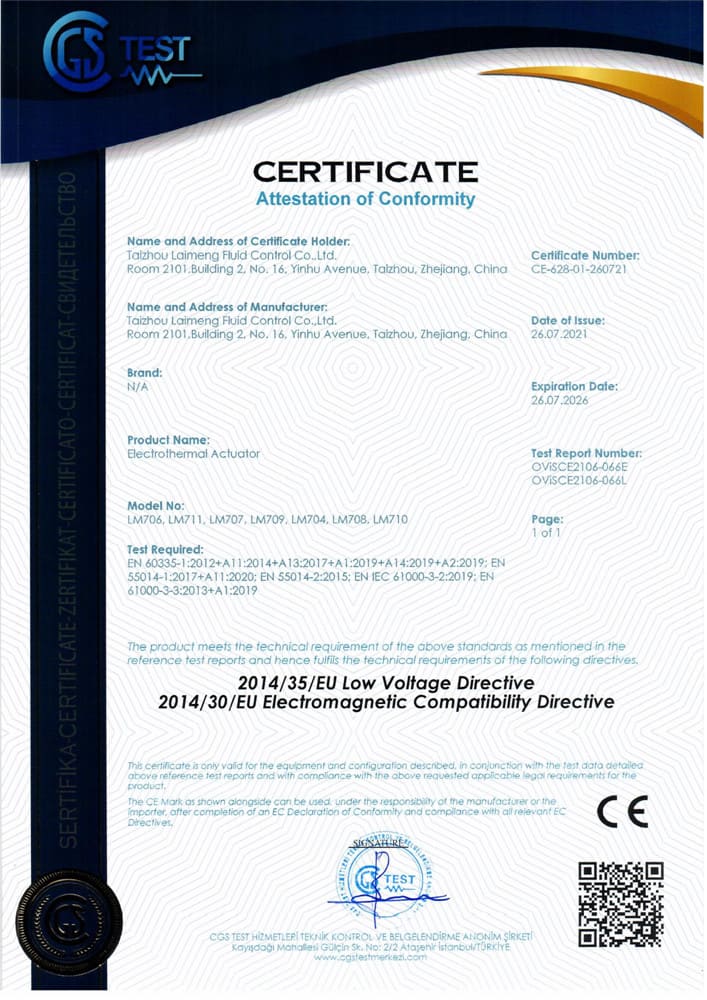
Certifications


productcate-1-1


FAQ

Q: What is Stainless Steel Manifold?

A: Conventional Stainless Steel Manifolds have a more robust construction with half-couplings welded to the tubing to form each port. These are recommended for manifolds that experience multiple changes to fittings or couplings. Other port and inlet sizes are available on a custom basis.

Q: What does a stainless steel manifold do?

A: Many stainless steel manifold owners notice a significant boost in overall fuel efficiency, power and performance, and find the lightweight design helps the engine run smoother, cooler and more efficiently. Plus, a huge bonus with stainless steel manifolds is they are a one-man job to install.

Q: Why do we need manifolds?

A: The concept of a manifold is central to many parts of geometry and modern mathematical physics because it allows complicated structures to be described in terms of well-understood topological properties of simpler spaces. Manifolds naturally arise as solution sets of systems of equations and as graphs of functions.

Q: Are stainless steel exhaust manifolds better?

A: Many stainless steel manifold owners notice a significant boost in overall fuel efficiency, power and performance, and find the lightweight design helps the engine run smoother, cooler and more efficiently. Plus, a huge bonus with stainless steel manifolds is they are a one-man job to install.

Q: Are stainless steel exhaust manifolds any good?

A: Stainless Steels for Exhaust Systems - Comparing 304/321 and More
Compared to mild steel, stainless steel has superior high temperature characteristics. It is an excellent material for headers and exhaust systems, or any application where high heat is encountered.

Q: What is the best material for a manifold?

A: Stainless steal tubing because of heat resistant, low weight, low noise, and thin wall allowing easy Fabrication to fit and flow well in many tight areas , Reasonable cost, no rust and long life. For a custom stainless steel followed by mild steel.

Q: Can a stainless steel manifold be custom designed?

A: Plastic, Aluminum, Steel or Stainless Steel Custom Manifolds - Valve Check. At Valve Check Inc we believe that better performance comes from working together, and our engineers and machinists will work with you to design your custom manifold system.

Q: What are the temperature limitations of a stainless steel manifold?

A: Such temperatures are often well below the oxidation limit of the material. For example, stainless steel alloy 310 has an oxidation limit of 1090°C. It does not have sufficient creep strength to be used much above 980°C. In a load bearing situation, the practical limit for use would be 980°C.

Q: How often should a stainless steel manifold be inspected?

A: A rough guide for inspection is annually, after three to five years in saltwater, and biannually in freshwater. If you see signs of corrosion on the outside, it's past time.

Q: How does the shape of a manifold influence fluid flow?

A: The flow distribution in the manifold greatly depends on the header shape and the Reynolds number. Of the three different headers (i.e., rectangular, triangular, and trapezoidal), the triangular header produces the best flow distribution regardless of the Reynolds number.

Q: How does the grade of stainless steel impact the manifold's properties?

A: Either austenitic or ferritic stainless steel is used for an exhaust manifold. Austenitic stainless steel is excellent in high-temperature strength, but since its oxidation scale peels off easily, it is inferior to ferritic stainless steel in oxidation resistance.

Q: Can a stainless steel manifold be welded? If so, what techniques are used?

A: Offering high quality, versatility and longevity, TIG is the most commonly used stainless steel welding process. This welding process creates a low heat input, which makes it perfect for thin material.

Q: How does the manifold handle different fluids or gases?

A: The hollow body of the manifold allows the fluid to maneuver through the different ports to the production line without any obstruction. The flow parameter is controlled by two-, three-, or five-valve configurations including needle, ball, or bleed valves.

Q: Can a stainless steel manifold be insulated? Why would it be necessary?

A: A third reason for insulating the manifold is to prevent the ambient air around the engine from contacting the hot manifold surface. This contact causes passive formation of NOx simply by oxidation of the nitrogen in the air when it is in contact with the hot exhaust manifold surface.

Q: What are the environmental impacts of using stainless steel manifolds?

A: A notable environmental advantage of stainless steel plumbing fittings is their high recyclability. At the end of their service life, these fittings can be easily recycled into new products, minimizing landfill waste and reducing the need for virgin materials.

Q: Can I use a stainless steel manifold with a non-stainless steel system?

A: Using a stainless steel manifold with a non-stainless steel system is possible but requires careful consideration of material compatibility. Any contact points between the two materials should be compatible to avoid galvanic corrosion.

Q: What is the best way to clean a stainless steel manifold?

A: Cleaning a stainless steel manifold typically involves rinsing with water and a mild detergent. For more stubborn buildups, specialized cleaning agents may be used, but care must be taken to avoid damaging the finish.

Q: How do I prevent corrosion in my stainless steel manifold?

A: Preventing corrosion in stainless steel manifolds involves selecting the appropriate grade of stainless steel for the application, ensuring proper installation and maintenance, and avoiding contact with incompatible materials.

Q: Can stainless steel manifolds be used in outdoor applications?

A: Yes, stainless steel manifolds can be used in outdoor applications. However, they should be protected from direct exposure to harsh weather elements and UV radiation to maintain their integrity and performance.

We're well-known as one of the leading stainless steel manifold manufacturers and suppliers in China. If you're going to wholesale bulk stainless steel manifold with competitive price, welcome to get quotation from our factory. Also, customized service is available.

2 way brass tap manifold, stainless steel manifold pipe, Radiant Stainless Steel Underfloor Pex Heating Manifolds

(0/10)

clearall