




Are floor heating actuators easy to operate?
 May 14, 2025|
 Floor heating systems have gained significant popularity in recent years due to their ability to provide efficient and comfortable heating. At the heart of these systems are floor heating actuators, which play a crucial role in regulating the flow of hot water through the pipes. As a leading supplier of floor heating actuators, I often get asked, "Are floor heating actuators easy to operate?" In this blog post, I'll delve into this question, exploring the features, benefits, and operation of floor heating actuators.

Understanding Floor Heating Actuators
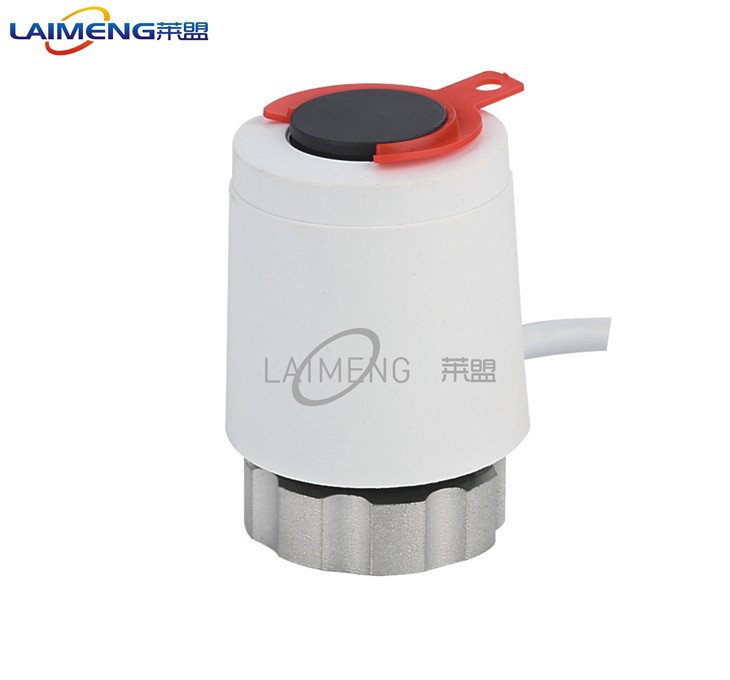
Before discussing their ease of operation, it's essential to understand what floor heating actuators are and how they function. Floor heating actuators are devices that control the opening and closing of valves in a floor heating system. They are typically used in conjunction with thermostats to regulate the temperature of the heated floor. When the thermostat senses that the room temperature has dropped below the set point, it sends a signal to the actuator, which then opens the valve to allow hot water to flow through the pipes. Conversely, when the desired temperature is reached, the actuator closes the valve, stopping the flow of hot water.
There are several types of floor heating actuators available on the market, including Underfloor Heating Actuator, Thermostatic Actuator, and Thermal-Electric Actuator Water Manifold. Each type has its own unique features and benefits, but they all serve the same basic purpose of controlling the flow of hot water in a floor heating system.
Ease of Installation
One of the key factors that contribute to the ease of operation of floor heating actuators is their installation process. Most floor heating actuators are designed to be easy to install, even for those with limited technical knowledge. They typically come with detailed installation instructions and can be installed in a relatively short amount of time.
For example, many actuators are designed to be directly mounted on the valve, eliminating the need for complex wiring or plumbing work. Some actuators also feature a plug-and-play design, which means they can be easily connected to the thermostat and power supply. This makes the installation process quick and hassle-free, reducing the time and cost associated with installing a floor heating system.
User-Friendly Controls
Another aspect that makes floor heating actuators easy to operate is their user-friendly controls. Most modern actuators come with intuitive controls that allow users to easily adjust the temperature and settings of the floor heating system. These controls can be accessed via a thermostat, which is typically installed on the wall or a control panel.
The thermostat allows users to set the desired temperature, adjust the heating schedule, and monitor the current temperature of the room. Some thermostats also feature a touchscreen display, which makes it even easier to navigate through the settings and make adjustments. Additionally, many actuators can be controlled remotely using a smartphone app, allowing users to adjust the temperature of their floor heating system from anywhere, at any time.
Energy Efficiency
Floor heating actuators are not only easy to operate but also highly energy-efficient. By precisely controlling the flow of hot water through the pipes, actuators can help to reduce energy consumption and lower heating costs. When the room temperature reaches the desired set point, the actuator closes the valve, preventing hot water from flowing through the pipes and wasting energy.
In addition, many floor heating actuators are designed to work in conjunction with smart thermostats, which can learn the user's heating preferences and adjust the temperature accordingly. This means that the floor heating system can automatically adjust the temperature based on the time of day, the occupancy of the room, and the outdoor temperature, further improving energy efficiency.
Maintenance and Durability
Floor heating actuators are generally low-maintenance devices that require minimal attention. They are designed to be durable and reliable, with a long lifespan. Most actuators are made from high-quality materials that are resistant to corrosion and wear, ensuring that they can withstand the harsh conditions of a floor heating system.
However, like any other mechanical device, floor heating actuators may require occasional maintenance to ensure optimal performance. This may include cleaning the actuator, checking the wiring and connections, and replacing any worn or damaged parts. Fortunately, most actuators are designed to be easily accessible and replaceable, making maintenance a relatively simple and straightforward process.
Conclusion
In conclusion, floor heating actuators are indeed easy to operate. They are designed to be user-friendly, with intuitive controls and a simple installation process. They also offer a range of benefits, including energy efficiency, durability, and low maintenance. Whether you are a homeowner looking to install a new floor heating system or a contractor working on a large-scale project, floor heating actuators are a reliable and efficient solution.
If you are interested in learning more about our floor heating actuators or would like to discuss your specific requirements, please feel free to contact us. Our team of experts is always on hand to provide you with the information and support you need to make an informed decision. We look forward to working with you to create a comfortable and energy-efficient heating solution for your home or business.
References
- "Underfloor Heating: A Comprehensive Guide." Energy.gov.
- "Thermostatic Actuators: How They Work and Why You Need Them." Plumbing-Heating-Cooling News.
- "The Benefits of Floor Heating Systems." HomeAdvisor.