




How to test an underfloor heating actuator before installation?
 Aug 01, 2025|
Testing an underfloor heating actuator before installation is a crucial step to ensure that your underfloor heating system works smoothly and efficiently. As a supplier of underfloor heating actuators, I've seen firsthand the importance of this pre - installation testing. In this blog, I'll share some practical tips on how to test these actuators before you install them.
Why Test Before Installation?
Before we dive into the testing process, let's talk about why it's so important to test underfloor heating actuators before installation. First off, it helps you identify any potential issues early on. You don't want to go through the hassle of installing an actuator only to find out later that it's faulty. This can save you a lot of time, money, and headaches in the long run.

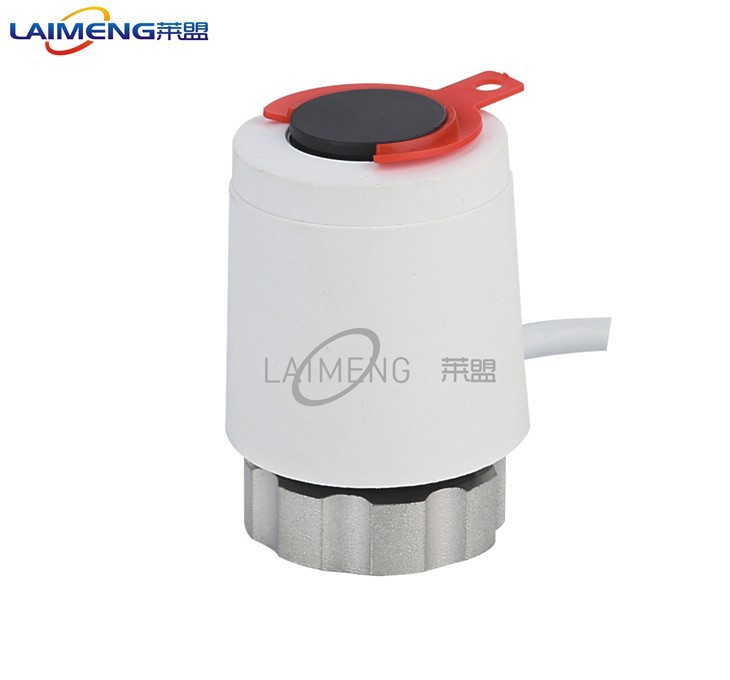
Secondly, testing ensures that the actuator is compatible with your underfloor heating system. Different systems have different requirements, and by testing, you can make sure that the actuator will function properly within your specific setup.
Tools You'll Need
To test an underfloor heating actuator, you'll need a few basic tools. These include a multimeter, which is used to measure electrical properties like voltage, current, and resistance. You'll also need a power source, such as a battery or a power supply unit, to provide the necessary electricity to the actuator. Additionally, having a set of screwdrivers and pliers can come in handy for any necessary adjustments or connections.
Visual Inspection
The first step in testing an underfloor heating actuator is a visual inspection. Take a close look at the actuator for any obvious signs of damage, such as cracks, dents, or loose wires. Check the housing to make sure it's intact and that there are no signs of corrosion. If you notice any damage, it's best to replace the actuator before proceeding with the testing.
Electrical Testing
Once you've completed the visual inspection, it's time to move on to the electrical testing. Start by using your multimeter to check the resistance of the actuator's coil. Set your multimeter to the resistance setting and connect the probes to the appropriate terminals on the actuator. The resistance value should be within the manufacturer's specified range. If the resistance is too high or too low, it could indicate a problem with the coil.
Next, check the voltage supply to the actuator. Connect your multimeter to the power source and measure the voltage. Make sure that the voltage is within the acceptable range for the actuator. If the voltage is too low, the actuator may not operate properly, and if it's too high, it could damage the actuator.
Functional Testing
After the electrical testing, it's time to perform a functional test. Connect the actuator to the power source and observe its operation. The actuator should open and close smoothly in response to the electrical signal. You can use a control device, such as a thermostat, to send the signal to the actuator.
If the actuator fails to open or close, or if it operates erratically, there may be a problem with the internal mechanism. In this case, you may need to disassemble the actuator and inspect the components for any signs of damage or wear.
Compatibility Testing
As mentioned earlier, it's important to ensure that the actuator is compatible with your underfloor heating system. To do this, you can test the actuator in a test setup that mimics your actual system. Connect the actuator to the manifold and the control system, and then turn on the system to see how the actuator performs.
Pay attention to how the actuator responds to the temperature changes and the control signals. If the actuator doesn't work properly in the test setup, it may not be compatible with your system, and you'll need to look for an alternative actuator.
Testing Different Types of Actuators
There are different types of underfloor heating actuators available in the market, such as Thermal - Electric Actuator Water Manifold, M30*1.5 Normally Closed Open Thermal Actuator For Water Floor Heating, and Electric Thermal - Electric Actuator For Poland Market. Each type may have slightly different testing procedures, so it's important to refer to the manufacturer's instructions for specific guidance.
For example, thermal - electric actuators rely on heat to operate, so you'll need to pay special attention to the temperature settings during the testing. Make sure that the actuator responds correctly to the temperature changes and that it maintains the proper position.
Troubleshooting
If you encounter any problems during the testing process, don't panic. Here are some common issues and their possible solutions:
- Actuator doesn't open or close: Check the electrical connections to make sure they're secure. Also, check the voltage supply and the resistance of the coil. If everything seems fine, the problem may be with the internal mechanism, and you may need to replace the actuator.
- Actuator operates erratically: This could be due to a loose connection, a faulty control signal, or a problem with the internal components. Check the connections and the control system, and if necessary, disassemble the actuator to inspect the components.
- Actuator overheats: Overheating can be caused by a high voltage supply, a short circuit, or a problem with the heat dissipation. Check the voltage and the electrical connections, and make sure that the actuator has proper ventilation.
Conclusion
Testing an underfloor heating actuator before installation is a vital step in ensuring the proper functioning of your underfloor heating system. By following the steps outlined in this blog, you can identify and resolve any potential issues early on, saving you time and money in the long run.
If you're in the market for high - quality underfloor heating actuators or have any questions about the testing process, feel free to reach out. We're here to help you find the right actuator for your needs and ensure a successful installation.
References
- Manufacturer's manuals for underfloor heating actuators
- Industry standards and guidelines for underfloor heating systems