




Are floor heating actuators resistant to corrosion?
 Aug 05, 2025|
 Are floor heating actuators resistant to corrosion?
As a supplier of floor heating actuators, I often encounter questions from customers regarding the corrosion resistance of our products. Corrosion can significantly impact the performance and lifespan of floor heating actuators, so it's a crucial aspect to consider. In this blog, I'll delve into the factors affecting the corrosion resistance of floor heating actuators and discuss how our products are designed to withstand corrosion.
Understanding Corrosion in Floor Heating Systems
Corrosion is a natural process that occurs when metals react with their environment, leading to the deterioration of the metal over time. In floor heating systems, several factors can contribute to corrosion, including the presence of moisture, oxygen, and chemicals in the water or the surrounding environment.
Moisture is one of the primary catalysts for corrosion. In a floor heating system, water is circulated through pipes, and if there are any leaks or condensation, it can create a moist environment that promotes corrosion. Oxygen can also react with metals, especially in the presence of water, leading to the formation of rust. Additionally, chemicals such as salts, acids, or alkalis in the water can accelerate the corrosion process.
Types of Floor Heating Actuators and Their Corrosion Resistance
There are different types of floor heating actuators available in the market, each with its own level of corrosion resistance. Let's take a look at some common types:
-
Thermal-Electric Actuator Water Manifold
Thermal-electric actuators are widely used in floor heating systems to control the flow of water through the manifold. These actuators typically consist of a metal housing and internal components. The corrosion resistance of a thermal-electric actuator water manifold depends on the materials used in its construction.
Our Thermal-Electric Actuator Water Manifold is designed with high-quality materials that offer excellent corrosion resistance. The housing is made of a corrosion-resistant metal alloy, which provides a protective barrier against moisture and chemicals. The internal components are also treated to prevent corrosion, ensuring long-term performance and reliability. -
Thermostatic Actuator
Thermostatic actuators are used to regulate the temperature in a floor heating system by controlling the flow of hot water. These actuators are often exposed to varying temperatures and water conditions, which can increase the risk of corrosion.
Our Thermostatic Actuator is engineered to withstand these harsh conditions. It features a durable construction with corrosion-resistant materials. The actuator's body is made of a special plastic that is resistant to moisture and chemicals, while the internal metal components are coated with a protective layer to prevent corrosion. -
230V Normally Close Type Actuator
The 230V normally close type actuator is another important component in a floor heating system. It is designed to close the valve when the power is off, preventing the flow of water. This type of actuator is also susceptible to corrosion due to its exposure to water and electrical components.
Our 230V Normally Close Type Actuator is built with corrosion-resistant materials to ensure reliable operation. The electrical connections are sealed to prevent moisture ingress, and the metal parts are treated to resist corrosion. This helps to extend the lifespan of the actuator and reduce the risk of malfunctions caused by corrosion.
Factors Affecting Corrosion Resistance
In addition to the type of actuator, several other factors can affect the corrosion resistance of floor heating actuators:
-
Water Quality
The quality of the water used in the floor heating system plays a significant role in corrosion. Water with high levels of dissolved salts, minerals, or chemicals can accelerate the corrosion process. It is recommended to use softened or demineralized water in the system to reduce the risk of corrosion. Regular water testing and treatment can also help to maintain the water quality and prevent corrosion. -
Installation and Maintenance
Proper installation and maintenance are essential for ensuring the corrosion resistance of floor heating actuators. During installation, it is important to follow the manufacturer's instructions carefully to ensure that the actuators are installed correctly and that there are no leaks or improper connections. Regular maintenance, such as cleaning and inspecting the actuators, can help to detect and prevent corrosion early. -
Environmental Conditions
The environmental conditions in which the floor heating system is installed can also affect the corrosion resistance of the actuators. For example, if the system is installed in a humid or corrosive environment, such as a basement or a coastal area, the actuators may be more prone to corrosion. In such cases, additional protective measures, such as using corrosion-resistant coatings or enclosures, may be necessary.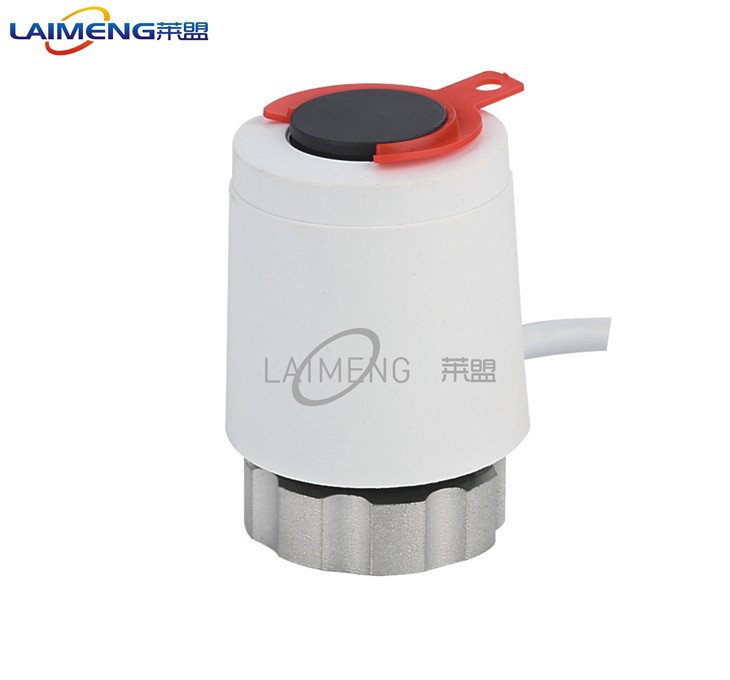

Our Commitment to Corrosion Resistance
At our company, we are committed to providing high-quality floor heating actuators with excellent corrosion resistance. We use only the best materials and advanced manufacturing processes to ensure the durability and reliability of our products. Our actuators undergo rigorous testing to meet or exceed industry standards for corrosion resistance.
In addition to our product design and manufacturing processes, we also offer comprehensive technical support and after-sales service. Our team of experts can provide advice on water treatment, installation, and maintenance to help our customers ensure the long-term performance of their floor heating systems.
Contact Us for Your Floor Heating Actuator Needs
If you are looking for reliable and corrosion-resistant floor heating actuators, we invite you to contact us. Our team of sales representatives is ready to assist you with your procurement needs. We can provide you with detailed product information, specifications, and pricing. Whether you are a contractor, installer, or end-user, we are committed to providing you with the best solutions for your floor heating system.
Let's work together to ensure the efficient and long-lasting operation of your floor heating system. Contact us today to start the procurement process and discuss your specific requirements.
References
- "Corrosion Basics: An Introduction to Corrosion Science and Engineering" by Mars G. Fontana
- "Handbook of Corrosion Data" by Bruce D. Craig
- Industry standards and guidelines for floor heating systems