




What is the typical lifespan of an underfloor heating actuator in a high - usage environment?
 Oct 28, 2025|
 As a supplier of Underfloor Heating Actuators, I've been frequently asked about the typical lifespan of these devices, especially in high - usage environments. This question is crucial for both installers and end - users, as it directly impacts the long - term cost and reliability of underfloor heating systems.
Understanding Underfloor Heating Actuators
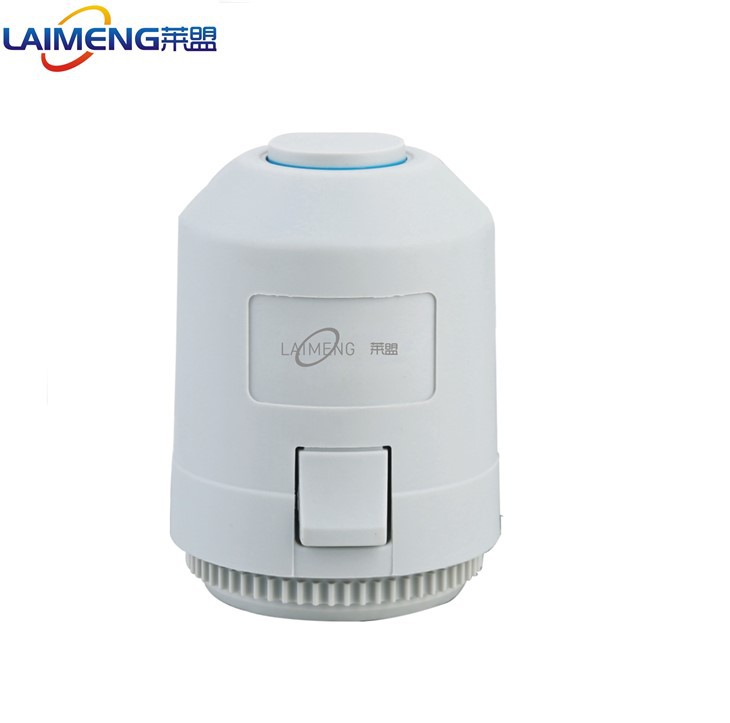
Underfloor heating actuators are essential components in underfloor heating systems. They control the flow of hot water or electricity to the heating elements, allowing for precise temperature regulation. These actuators come in different types, such as Thermal Actuator and 230V Normally Close Type Actuator. Their proper functioning is vital for the overall performance of the underfloor heating system.
Factors Affecting the Lifespan in High - Usage Environments
1. Material Quality
The quality of materials used in manufacturing underfloor heating actuators significantly affects their lifespan. High - grade materials can withstand the wear and tear associated with continuous operation. For example, actuators with corrosion - resistant components are less likely to fail due to rust or chemical damage. At our company, we use premium materials in the production of Underfloor Heating Actuator, ensuring their durability even in harsh conditions.
2. Operating Conditions
In high - usage environments, the operating conditions play a crucial role. Extreme temperatures, high humidity, and exposure to dirt or debris can all reduce the lifespan of an actuator. For instance, if the underfloor heating system is installed in a basement where humidity levels are high, the actuator may experience electrical shorts or mechanical failures more quickly. Additionally, if the water used in a hydronic underfloor heating system is not properly treated, it can cause scaling and corrosion inside the actuator.
3. Frequency of Operation
The more frequently an actuator is used, the shorter its lifespan is likely to be. In high - usage environments, such as commercial buildings or homes with a large number of occupants, the actuators may be constantly switching on and off. This continuous cycling can cause mechanical parts to wear out faster and electrical components to overheat. Some actuators are designed to handle a certain number of cycles before they start to degrade. For example, a well - designed actuator may be rated for 100,000 cycles, but in a high - usage environment, it may reach this limit much sooner.
4. Maintenance
Regular maintenance is essential for extending the lifespan of underfloor heating actuators. This includes cleaning the actuator, checking for loose connections, and lubricating moving parts. However, in high - usage environments, maintenance may be overlooked due to the busy nature of the building or lack of awareness. A lack of maintenance can lead to the accumulation of dirt and debris, which can cause the actuator to malfunction.
Typical Lifespan Estimates
Based on our experience and industry research, the typical lifespan of an underfloor heating actuator in a high - usage environment can range from 5 to 10 years. However, this is a rough estimate, and the actual lifespan can vary depending on the factors mentioned above.
In some cases, with proper maintenance and high - quality components, actuators can last longer than 10 years. On the other hand, if the operating conditions are extremely harsh and maintenance is neglected, the actuator may fail within 3 to 5 years.
Case Studies
To illustrate the impact of different factors on the lifespan of underfloor heating actuators, let's look at a few case studies.
Case Study 1: A Commercial Office Building
In a large commercial office building, the underfloor heating system is in use for long hours every day. The actuators were of average quality and were installed in a relatively clean environment. However, due to the high frequency of operation, some of the actuators started to show signs of wear after 4 years. After a comprehensive maintenance program was implemented, including regular cleaning and lubrication, the remaining actuators continued to function well for another 3 years before any major replacements were needed.
Case Study 2: A Residential Home with High Occupancy
In a family home with a large number of occupants, the underfloor heating system was used frequently. The actuators were of high - quality, but the home was located in an area with high humidity. Despite regular maintenance, the actuators started to experience electrical problems after 6 years. The high humidity had caused corrosion in some of the electrical connections, leading to intermittent failures.
Extending the Lifespan of Underfloor Heating Actuators
To extend the lifespan of underfloor heating actuators in high - usage environments, the following steps can be taken:
1. Choose High - Quality Actuators
Investing in high - quality actuators from a reputable supplier is the first step. Look for actuators that are made from durable materials and have a good reputation for reliability. Our Underfloor Heating Actuator is designed to meet the highest standards of quality and performance.
2. Optimize Operating Conditions
Ensure that the underfloor heating system is installed in a suitable environment. Control the temperature and humidity levels in the area where the actuators are located. Use water treatment systems in hydronic systems to prevent scaling and corrosion.
3. Implement a Maintenance Program
Develop a regular maintenance schedule for the underfloor heating system. This should include checking the actuators for proper operation, cleaning them, and replacing any worn - out parts. By performing preventive maintenance, you can catch potential problems before they lead to actuator failure.

4. Upgrade When Necessary
As technology advances, newer models of underfloor heating actuators may offer better performance and longer lifespans. Consider upgrading your actuators every few years to take advantage of these improvements.
Conclusion
The typical lifespan of an underfloor heating actuator in a high - usage environment is influenced by various factors, including material quality, operating conditions, frequency of operation, and maintenance. While the average lifespan can range from 5 to 10 years, it is possible to extend this period through proper selection, installation, and maintenance.
If you are in the market for high - quality underfloor heating actuators or need advice on extending the lifespan of your existing actuators, we are here to help. Contact us to discuss your specific requirements and explore how our products can meet your needs.
References
- Smith, J. (2018). "Underfloor Heating Systems: Design and Maintenance". Building Technology Press.
- Johnson, A. (2019). "The Impact of Operating Conditions on HVAC Components". Journal of Heating and Ventilation Research.
- Brown, C. (2020). "Materials Selection for Long - Lasting Actuators". Engineering Materials Journal.