




What is the difference between a stainless steel manifold and other types of manifolds?
 Jun 20, 2025|
 Manifolds are crucial components in various industrial and commercial systems, serving to distribute or collect fluids, gases, or other substances. They play a vital role in ensuring the efficient and reliable operation of many processes. Among the different types of manifolds available in the market, stainless steel manifolds stand out due to their unique characteristics. As a supplier of stainless steel manifolds, I have witnessed firsthand the differences between stainless steel manifolds and other types, and I'm excited to share these insights with you.
Material Composition and Properties
One of the most fundamental differences between stainless steel manifolds and other types lies in their material composition. Stainless steel is an alloy primarily composed of iron, chromium, and often nickel, along with other elements in smaller quantities. The addition of chromium gives stainless steel its corrosion - resistant properties. Chromium forms a thin, invisible oxide layer on the surface of the steel, which protects it from rust and other forms of corrosion.
In contrast, other types of manifolds can be made from materials such as carbon steel, brass, or plastic. Carbon steel manifolds are strong and relatively inexpensive, but they are highly susceptible to corrosion, especially in environments with high humidity or exposure to chemicals. Brass manifolds have good corrosion resistance and are often used in plumbing applications. However, they are not as strong as stainless steel and can be more expensive in some cases. Plastic manifolds are lightweight and cost - effective, but they have limitations in terms of temperature and pressure resistance.
For example, in a chemical processing plant where corrosive chemicals are handled, a stainless steel manifold would be the ideal choice. The corrosion - resistant nature of stainless steel ensures that the manifold can withstand the harsh chemicals without deteriorating over time. On the other hand, a carbon steel manifold in the same environment would quickly corrode, leading to leaks and potential safety hazards.
Durability and Longevity
Stainless steel manifolds are known for their exceptional durability and longevity. The corrosion - resistant properties of stainless steel mean that these manifolds can last for decades, even in challenging environments. They can withstand high temperatures, pressure, and mechanical stress without significant wear and tear.
Other types of manifolds may not have the same level of durability. Plastic manifolds, for instance, can become brittle over time, especially when exposed to high temperatures or UV radiation. This can lead to cracks and leaks, reducing the efficiency of the system and potentially causing damage. Brass manifolds can also be prone to wear, especially in high - flow applications where the constant movement of fluids can erode the material.
In industrial settings where continuous operation is required, the durability of a stainless steel manifold is a significant advantage. It reduces the need for frequent replacements, which can save both time and money in the long run. For example, in a power generation plant, a stainless steel manifold can operate reliably for many years, minimizing downtime and maintenance costs.
Strength and Pressure Resistance
Stainless steel has high strength, which allows stainless steel manifolds to handle high - pressure applications. They can be designed to withstand a wide range of pressures, making them suitable for use in industries such as oil and gas, aerospace, and hydraulics.
Carbon steel manifolds also have good strength, but their lack of corrosion resistance can limit their use in high - pressure and high - temperature applications. Plastic manifolds generally have lower pressure and temperature ratings compared to stainless steel. For example, in an oil refinery where high - pressure steam is used for various processes, a stainless steel manifold can safely handle the pressure and temperature requirements, while a plastic manifold would not be able to withstand the conditions.
Hygiene and Cleanliness
In industries such as food and beverage, pharmaceuticals, and biotechnology, hygiene is of utmost importance. Stainless steel is a non - porous material, which means it does not absorb bacteria, dirt, or other contaminants. This makes stainless steel manifolds easy to clean and sterilize, ensuring that the products being processed remain safe and pure.
Other materials like carbon steel and plastic can be more difficult to clean thoroughly. Carbon steel can develop rust, which can harbor bacteria, and plastic can have small pores where contaminants can accumulate. For example, in a dairy processing plant, a stainless steel manifold can be easily cleaned and sanitized between production runs, preventing the growth of harmful bacteria and ensuring the quality of the milk products.
Aesthetic Appeal
In addition to their functional advantages, stainless steel manifolds also have an aesthetic appeal. The shiny, smooth surface of stainless steel gives it a modern and professional look. This can be an important factor in applications where the appearance of the equipment is important, such as in architectural or decorative plumbing.
Brass manifolds have a warm, golden color that can also be aesthetically pleasing, but they may require more maintenance to keep their appearance. Plastic manifolds usually have a more utilitarian look and may not be as visually appealing in some settings.

Cost Considerations
When it comes to cost, stainless steel manifolds are generally more expensive upfront compared to carbon steel and plastic manifolds. However, when considering the long - term costs, including maintenance, replacement, and downtime, stainless steel manifolds can be more cost - effective. Their durability and corrosion resistance mean that they require less frequent replacement and maintenance, which can offset the initial higher cost.
Brass manifolds can be more expensive than carbon steel but less expensive than stainless steel in some cases. The cost of a manifold also depends on factors such as size, complexity of the design, and quantity ordered.
Our Stainless Steel Manifold Products
As a supplier of stainless steel manifolds, we offer a wide range of products to meet the diverse needs of our customers. Our 6 - LOOP SS MANIFOLDS KIT is designed for applications where multiple fluid or gas lines need to be managed. It is made from high - quality stainless steel, ensuring durability and performance.
Our FORGED 5 WAYS STAINLESS STEEL MANIFOLDS are forged for added strength and are suitable for high - pressure applications. They are precision - engineered to ensure a perfect fit and reliable operation.
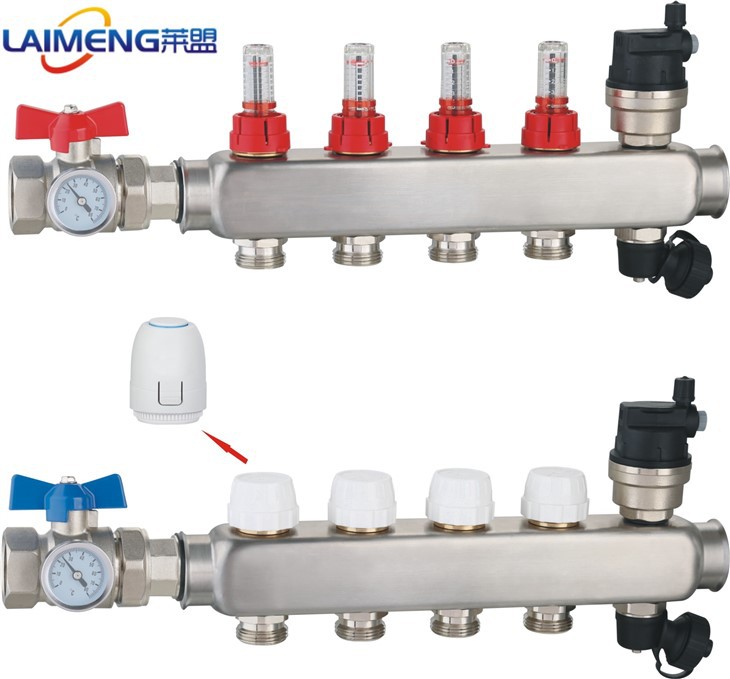
We also offer the SS MANIFOLDS KIT WITH FLOWMETER, which is ideal for applications where flow measurement is required. The flowmeter provides accurate readings, allowing for better control of the system.
Conclusion
In conclusion, stainless steel manifolds offer several distinct advantages over other types of manifolds. Their corrosion resistance, durability, strength, hygiene, and aesthetic appeal make them a superior choice in many applications. While they may have a higher upfront cost, the long - term benefits in terms of reduced maintenance and replacement costs make them a cost - effective solution.
If you are in the market for a high - quality manifold, we encourage you to consider our stainless steel manifolds. Our team of experts is ready to assist you in finding the right product for your specific needs. Whether you are looking for a 6 - LOOP SS MANIFOLDS KIT, a FORGED 5 WAYS STAINLESS STEEL MANIFOLDS, or a SS MANIFOLDS KIT WITH FLOWMETER, we can provide you with the best solutions. Contact us today to discuss your requirements and start a procurement negotiation.
References
- ASM Handbook, Volume 13A: Corrosion: Fundamentals, Testing, and Protection. ASM International.
- Callister, W. D., & Rethwisch, D. G. (2011). Materials Science and Engineering: An Introduction. Wiley.
- Perry, R. H., & Green, D. W. (1997). Perry's Chemical Engineers' Handbook. McGraw - Hill.