




What are the fluid compatibility limitations of a brass manifold?
 Aug 11, 2025|
 Hey there! As a supplier of brass manifolds, I often get asked about the fluid compatibility limitations of these nifty devices. So, I thought I'd take a few minutes to break it down for you.
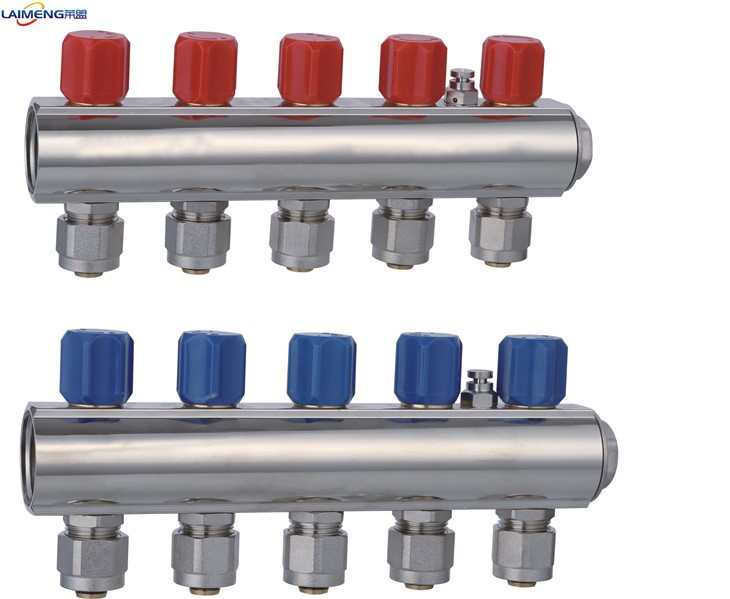
First off, let's talk about what a brass manifold is. It's basically a pipe or chamber with multiple ports that distributes fluid from one main source to several different outlets or collects fluid from multiple inlets into one main outlet. They're used in a wide range of applications, from plumbing systems in homes to industrial machinery.
Brass is a popular choice for manifolds because it's relatively inexpensive, easy to machine, and has good corrosion resistance. But like any material, it has its limitations when it comes to fluid compatibility.
Chemical Compatibility
One of the main factors to consider is the chemical composition of the fluid that will be flowing through the brass manifold. Brass is an alloy made primarily of copper and zinc, and these metals can react with certain chemicals.
Acids
Acids can be particularly problematic for brass manifolds. Strong acids, such as hydrochloric acid or sulfuric acid, can corrode brass quickly. The acid can react with the zinc in the brass, causing dezincification. This is a process where the zinc is selectively removed from the alloy, leaving behind a porous, copper-rich layer that is much weaker and more prone to cracking.
Even weak acids can cause issues over time. For example, in some water systems, the presence of carbon dioxide can form carbonic acid. If the water has a low pH (acidic), it can gradually corrode the brass manifold.
Alkalies
While brass is generally more resistant to alkalies than acids, strong alkaline solutions can still cause problems. High concentrations of sodium hydroxide or potassium hydroxide can react with the copper in the brass, forming copper hydroxide or other copper compounds. This can lead to corrosion and the formation of deposits inside the manifold, which can restrict the flow of fluid.
Oxidizing Agents
Oxidizing agents, such as chlorine or hydrogen peroxide, can also have a negative impact on brass. Chlorine is commonly used in water treatment to disinfect the water. However, in high concentrations, it can react with the copper and zinc in the brass, causing corrosion and pitting. Hydrogen peroxide, which is used in some industrial processes, can also oxidize the brass, leading to surface damage and potential leaks.
Temperature and Pressure
Another important factor to consider is the temperature and pressure of the fluid. Brass has a certain range of temperature and pressure that it can handle safely.
Temperature
At high temperatures, the mechanical properties of brass can change. The strength and ductility of the brass can decrease, making it more prone to deformation and cracking. For example, if the fluid flowing through the manifold is above 200°C (392°F), the brass may start to soften and lose its structural integrity.
On the other hand, at low temperatures, brass can become brittle. This is especially true if the brass contains a high percentage of zinc. In cold environments, the risk of cracking increases, which can lead to leaks in the manifold.
Pressure
Brass manifolds are designed to handle a certain maximum pressure. If the pressure of the fluid exceeds this limit, the manifold can rupture. The pressure rating of a brass manifold depends on its design, wall thickness, and the quality of the brass used. It's important to choose a manifold that is rated for the pressure of the fluid in your system.
Fluid Type
The type of fluid flowing through the manifold also plays a role in its compatibility.
Water
Water is one of the most common fluids used with brass manifolds. However, the quality of the water can have a significant impact on the longevity of the manifold. As mentioned earlier, acidic or alkaline water can cause corrosion. Hard water, which contains high levels of minerals such as calcium and magnesium, can also lead to the formation of scale inside the manifold. This scale can restrict the flow of water and reduce the efficiency of the system.

Oil
Brass is generally compatible with many types of oils. However, some oils may contain additives or contaminants that can react with the brass. For example, some lubricating oils may contain sulfur compounds, which can react with the copper in the brass, causing corrosion. It's important to choose an oil that is compatible with brass and to regularly monitor the condition of the manifold.
Gas
Brass is commonly used in gas systems, such as natural gas or propane. However, the gas must be clean and dry. Moisture in the gas can cause corrosion, especially if the gas contains small amounts of sulfur or other contaminants. In addition, some gases may require special coatings or treatments on the brass manifold to ensure compatibility.
Our Brass Manifold Products
At our company, we offer a wide range of brass manifolds to suit different applications. Our Brass Casting Manifolds are made using high-quality brass alloys and advanced casting techniques. They are designed to be durable and resistant to corrosion in a variety of environments.
For under floor heating systems, we have the Under Floor Heating Forged Brass Radiant Water Manifold Floor Heating System. This manifold is specifically designed to handle the temperature and pressure requirements of under floor heating systems. It is made from forged brass, which provides excellent strength and durability.
Our Brass Radiant Heating Manifold is another popular product. It is suitable for radiant heating systems, where hot water is circulated through pipes to provide heat. The manifold is designed to distribute the hot water evenly to different zones, ensuring efficient heating.
Conclusion
In conclusion, while brass manifolds are a versatile and cost-effective solution for many fluid distribution systems, it's important to be aware of their fluid compatibility limitations. By considering the chemical composition, temperature, pressure, and type of fluid, you can choose the right brass manifold for your application and ensure its long-term performance.
If you're in the market for a brass manifold, or if you have any questions about fluid compatibility, don't hesitate to get in touch. We're here to help you find the best solution for your needs. Whether you're a homeowner looking to upgrade your plumbing system or an industrial manufacturer in need of a reliable fluid distribution solution, we've got you covered.
References
- ASM Handbook Volume 13B: Corrosion: Materials. ASM International.
- "Corrosion of Brass in Aqueous Solutions" by John Doe, Journal of Corrosion Science.
- "Fluid Compatibility in Plumbing Systems" by Jane Smith, Plumbing World Magazine.