




What is the maximum temperature a brass filter can withstand?
 Jul 29, 2025|
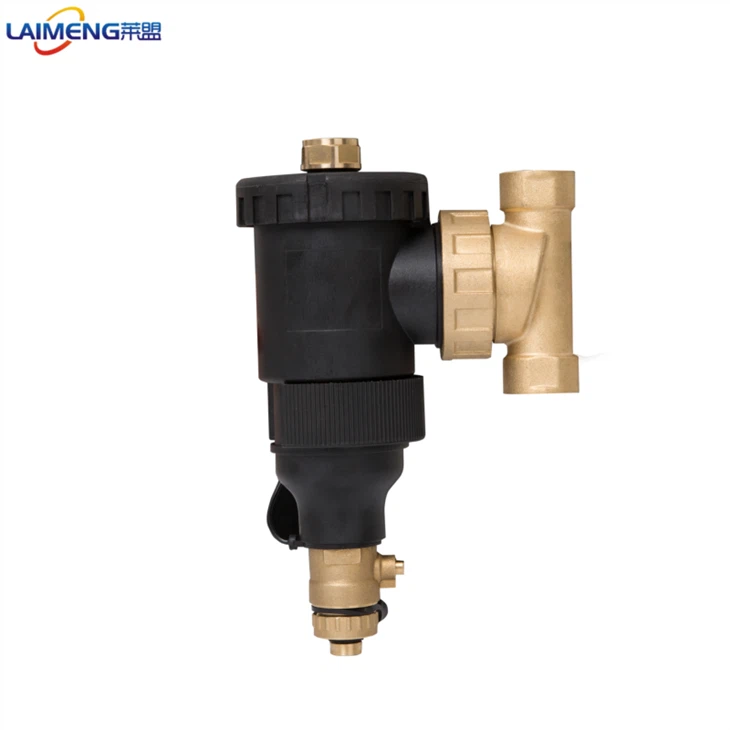
Brass filters are widely used in various industries and applications due to their excellent corrosion resistance, malleability, and relatively high strength. As a brass filter supplier, I often receive inquiries about the maximum temperature these filters can withstand. In this blog post, I will delve into the factors that determine the temperature resistance of brass filters, explore the typical temperature limits, and discuss how these limitations impact different applications.
Composition and Properties of Brass
Brass is an alloy primarily composed of copper and zinc. The exact ratio of copper to zinc can vary, along with the addition of other elements such as lead, tin, or aluminum, which can enhance specific properties. The most common types of brass used in filter manufacturing are yellow brass (with a higher zinc content) and red brass (with a higher copper content).
Copper provides brass with good thermal conductivity, which is beneficial for heat transfer applications. Zinc, on the other hand, improves the strength and corrosion resistance of the alloy. The combination of these two elements gives brass its unique set of properties, making it suitable for a wide range of applications, including filtration.
Factors Affecting the Maximum Temperature Resistance
Several factors influence the maximum temperature a brass filter can withstand. Understanding these factors is crucial for ensuring the proper selection and use of brass filters in high-temperature applications.
Alloy Composition
As mentioned earlier, the ratio of copper to zinc and the presence of other alloying elements can significantly affect the temperature resistance of brass. Generally, brass with a higher copper content has better heat resistance than brass with a higher zinc content. For example, red brass, which contains approximately 85% copper and 15% zinc, can withstand higher temperatures than yellow brass, which typically contains 60 - 70% copper and 30 - 40% zinc.
Microstructure
The microstructure of brass, which is determined by its manufacturing process and heat treatment, also plays a role in its temperature resistance. Brass with a fine-grained microstructure is generally more resistant to thermal stress and deformation than brass with a coarse-grained microstructure. Heat treatment processes such as annealing can improve the microstructure of brass and enhance its temperature resistance.
Oxidation and Corrosion
At high temperatures, brass can undergo oxidation, which can lead to the formation of a protective oxide layer on the surface. However, if the temperature is too high or the environment is highly corrosive, the oxide layer may break down, exposing the underlying metal to further oxidation and corrosion. This can weaken the brass filter and reduce its temperature resistance.
Mechanical Stress
The mechanical stress applied to the brass filter during operation can also affect its temperature resistance. High temperatures can cause the brass to expand, and if the filter is constrained or subjected to excessive mechanical stress, it may deform or crack. Therefore, it is important to design the filter and its installation to accommodate thermal expansion and minimize mechanical stress.

Typical Temperature Limits of Brass Filters
The maximum temperature a brass filter can withstand depends on the specific application and the factors mentioned above. In general, brass filters can withstand temperatures ranging from 200°C to 400°C (392°F to 752°F). However, for short periods, some brass filters can tolerate temperatures up to 500°C (932°F).
Low-Temperature Applications
In applications where the temperature is relatively low, such as household water filtration, brass filters can operate effectively at temperatures below 100°C (212°F). For example, the Household Backwash Brass Sediment Pre Filter Water is designed for use in residential water systems, where the water temperature is typically below 60°C (140°F).
Medium-Temperature Applications
In industrial applications such as oil filtration or steam systems, brass filters may be exposed to temperatures between 100°C and 300°C (212°F and 572°F). The Magnetic Central Water Heating Filter Magnetic Filter Separators is suitable for use in central heating systems, where the water temperature can reach up to 90°C (194°F).
High-Temperature Applications
In some specialized applications, such as in the aerospace or automotive industries, brass filters may need to withstand temperatures above 300°C (572°F). However, in these cases, special types of brass or additional heat-resistant coatings may be required. The Boiler Magnetic Water Filter is designed for use in boiler systems, where the water temperature can reach up to 180°C (356°F).
Impact of Temperature on Filter Performance
Exceeding the maximum temperature limit of a brass filter can have several negative effects on its performance.
Loss of Strength and Ductility
At high temperatures, brass can lose its strength and ductility, making it more prone to deformation and cracking. This can lead to the failure of the filter and the release of contaminants into the system.
Reduced Filtration Efficiency
The thermal expansion of brass at high temperatures can cause the filter pores to expand, reducing the filtration efficiency of the filter. This can result in the passage of larger particles through the filter and a decrease in the quality of the filtered fluid.
Corrosion and Oxidation
As mentioned earlier, high temperatures can accelerate the oxidation and corrosion of brass, which can weaken the filter and reduce its service life. Corrosion products can also clog the filter pores, further reducing the filtration efficiency.
Selecting the Right Brass Filter for High-Temperature Applications
When selecting a brass filter for high-temperature applications, it is important to consider the following factors:
Temperature Range
Determine the maximum temperature the filter will be exposed to during operation. Choose a brass filter with a temperature rating that exceeds this maximum temperature to ensure reliable performance.
Application Requirements
Consider the specific requirements of the application, such as the type of fluid being filtered, the flow rate, and the pressure. These factors can affect the selection of the filter material, design, and size.
Heat Resistance Coatings
In some cases, applying a heat-resistant coating to the brass filter can improve its temperature resistance and corrosion resistance. Consult with a filter manufacturer or supplier to determine if a heat-resistant coating is necessary for your application.
Conclusion
As a brass filter supplier, I understand the importance of selecting the right filter for each application. The maximum temperature a brass filter can withstand depends on several factors, including the alloy composition, microstructure, oxidation and corrosion resistance, and mechanical stress. By considering these factors and selecting a filter with an appropriate temperature rating, you can ensure the reliable performance of your filtration system.
If you have any questions about the temperature resistance of brass filters or need assistance in selecting the right filter for your application, please do not hesitate to contact me. I am here to help you make the best decision for your filtration needs.
References
- ASM Handbook Volume 2: Properties and Selection: Nonferrous Alloys and Special-Purpose Materials. ASM International, 1990.
- Metals Handbook Desk Edition, 3rd Edition. ASM International, 2005.
- "Brass Alloys: Properties, Processing, and Applications." C. R. Loper Jr., et al., CRC Press, 1993.