




What are the environmental impacts of using a brass manifold?
 Nov 14, 2025|
 What are the environmental impacts of using a brass manifold?
As a supplier of brass manifolds, I've witnessed firsthand the widespread use of these components in various systems, from heating to water distribution. Brass manifolds are integral parts of many setups, offering durability, corrosion resistance, and excellent thermal conductivity. However, it's essential to understand the environmental impacts associated with their use. This blog post aims to explore both the positive and negative environmental aspects of using brass manifolds.
Positive Environmental Impacts
Longevity and Durability
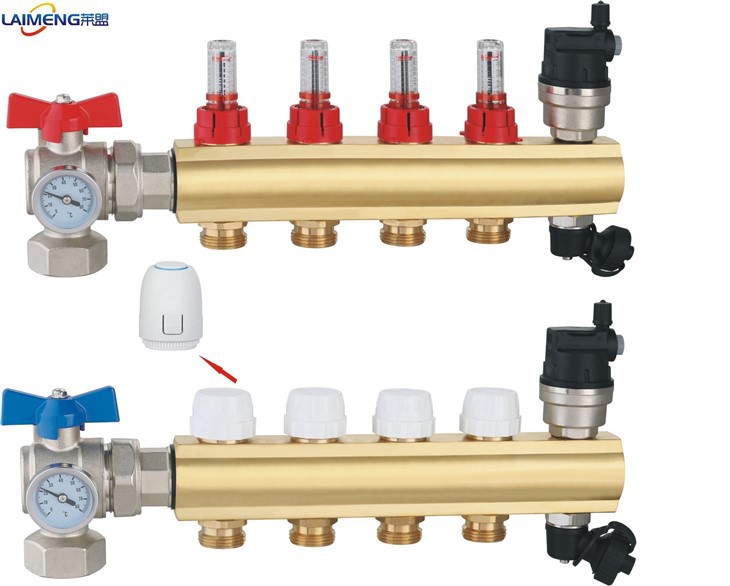
One of the most significant environmental benefits of brass manifolds is their long lifespan. Brass is a robust and durable material that can withstand harsh conditions, including high pressures and temperatures. Unlike some plastic alternatives that may degrade over time, brass manifolds can last for decades without significant wear and tear. This longevity means fewer replacements are needed, reducing the demand for new materials and minimizing waste generation. For example, in a Brass Manifold for Heating System, the ability to endure continuous use over many years translates into less frequent disposal and replacement, thus conserving resources.
Recyclability
Brass is a highly recyclable material. At the end of its useful life, a brass manifold can be melted down and reused to create new brass products. Recycling brass requires significantly less energy compared to producing new brass from raw materials. According to industry data, recycling brass can save up to 90% of the energy needed for primary production. This energy savings not only reduces the carbon footprint associated with brass production but also conserves natural resources. By choosing brass manifolds, consumers contribute to a more circular economy, where materials are reused and recycled instead of ending up in landfills.
Energy Efficiency
In heating systems, brass manifolds play a crucial role in ensuring efficient energy distribution. Their excellent thermal conductivity allows for rapid heat transfer, which means that less energy is required to achieve and maintain the desired temperature. For instance, a Brass Radiant Heating Manifold can evenly distribute hot water throughout a radiant heating system, optimizing energy use and reducing overall energy consumption. This energy efficiency not only benefits the environment by reducing greenhouse gas emissions but also helps consumers save on energy costs.
Negative Environmental Impacts
Mining and Extraction
The production of brass begins with the mining of copper and zinc, the primary components of brass. Mining activities can have significant environmental impacts, including habitat destruction, soil erosion, and water pollution. The extraction process often involves the use of large amounts of water and energy, and it can release harmful chemicals and heavy metals into the environment. Additionally, the transportation of these raw materials from mines to processing facilities further contributes to carbon emissions. However, many responsible mining companies are implementing sustainable practices to minimize these impacts, such as reclamation of mined areas and the use of cleaner technologies.
Manufacturing Processes
The manufacturing of brass manifolds involves several energy-intensive processes, including melting, casting, and machining. These processes require large amounts of electricity and often rely on fossil fuels, which contribute to air pollution and climate change. Moreover, the use of chemicals and lubricants in the manufacturing process can generate waste and pose risks to the environment and human health if not properly managed. To mitigate these impacts, some manufacturers are investing in energy-efficient equipment and adopting cleaner production methods, such as using water-based lubricants and implementing waste management systems.
Chemical Composition
Brass contains small amounts of lead, which can be a concern if the manifold is used in applications where it comes into contact with drinking water. Lead can leach into the water over time, posing a health risk, especially to children and pregnant women. To address this issue, many countries have implemented strict regulations on the lead content in brass products used in potable water systems. For example, in the United States, the Safe Drinking Water Act requires that brass fittings used in drinking water applications have a lead content of less than 0.25%. However, it's still important for consumers to ensure that they are using compliant brass manifolds to protect public health and the environment.
Mitigating the Environmental Impacts
As a brass manifold supplier, we are committed to minimizing the environmental impacts of our products. We work closely with our suppliers to source raw materials from responsible mines that adhere to strict environmental and social standards. We also invest in state-of-the-art manufacturing equipment and technologies to improve energy efficiency and reduce waste generation. Additionally, we ensure that all our brass manifolds comply with relevant regulations regarding lead content, especially for applications involving drinking water.
To further reduce the environmental footprint of our products, we encourage our customers to recycle their old brass manifolds at the end of their useful life. We also provide information and resources on proper installation and maintenance to ensure that our manifolds operate at peak efficiency, thereby reducing energy consumption and extending their lifespan.

Conclusion
Using a brass manifold has both positive and negative environmental impacts. On the one hand, its longevity, recyclability, and energy efficiency make it a sustainable choice in many applications. On the other hand, the mining, manufacturing, and chemical composition of brass can pose challenges to the environment. However, by implementing sustainable practices throughout the supply chain and promoting responsible use and disposal, we can minimize these negative impacts and maximize the environmental benefits of brass manifolds.
If you are interested in learning more about our Brass Collectors Brass Water Manifold or other brass manifold products, or if you have any questions about their environmental impacts, please feel free to contact us. We are always happy to discuss your needs and provide you with the most suitable solutions. Our team of experts is dedicated to helping you make informed decisions that balance performance, cost, and environmental responsibility.
References
- American Foundry Society. "Recycling of Non-Ferrous Metals."
- U.S. Environmental Protection Agency. "Safe Drinking Water Act."
- International Copper Association. "Sustainable Copper Mining and Production."