




What are the environmental impacts of brass casting manifolds production?
 Oct 03, 2025|
 As a supplier of Brass Casting Manifolds, I've witnessed firsthand the remarkable growth and innovation within the industry. Brass casting manifolds are integral components in various systems, from heating and cooling to fluid distribution. They are valued for their durability, corrosion resistance, and excellent thermal conductivity. However, like any manufacturing process, brass casting manifold production has environmental implications that we need to understand and address.
Raw Material Extraction and Processing
The production of brass casting manifolds begins with the extraction of raw materials, primarily copper and zinc. Copper mining is a resource - intensive process. Open - pit and underground mines often require large amounts of water for ore processing. In many regions, this can lead to water scarcity, as mining operations compete with local communities and agriculture for this precious resource.
Moreover, mining activities can cause significant soil erosion and habitat destruction. The removal of large amounts of earth to access copper ore disrupts natural ecosystems, displacing wildlife and reducing biodiversity. Tailings, the waste materials left after ore processing, can contain heavy metals and other contaminants. If not properly managed, these tailings can leach into the soil and water, posing a threat to human health and the environment.
Zinc extraction also has its own set of environmental challenges. Similar to copper mining, it requires substantial energy for extraction and refining. The energy sources used in these processes are often fossil fuels, which contribute to greenhouse gas emissions and climate change. Additionally, zinc mining can release sulfur dioxide into the atmosphere, which can lead to acid rain. Acid rain can damage forests, lakes, and buildings, and it also has a negative impact on soil quality.
Energy Consumption in Casting
Once the raw materials are extracted and refined, they are ready for the casting process. Brass casting is an energy - intensive operation. The melting of brass requires high temperatures, typically around 900 - 940 degrees Celsius. Most foundries use natural gas or electricity to achieve these temperatures.
Natural gas is a fossil fuel, and its combustion releases carbon dioxide, a major greenhouse gas. The more energy is consumed during the casting process, the higher the carbon footprint of the brass casting manifolds. Electricity generation also often relies on fossil fuels, especially in regions where coal - fired power plants are prevalent. Coal - fired power generation is not only a significant source of carbon dioxide emissions but also releases other pollutants such as particulate matter, mercury, and sulfur dioxide.
In addition to the energy used for melting, other steps in the casting process, such as mold preparation and finishing, also consume energy. For example, sand molds need to be heated and cooled during the casting cycle, which further adds to the overall energy consumption.
Emissions and Waste Generation
During the brass casting process, several types of emissions are released into the atmosphere. One of the most significant emissions is particulate matter. Fine particles of brass and other materials can be released during melting, pouring, and finishing operations. These particles can be inhaled by workers and nearby residents, causing respiratory problems. Long - term exposure to particulate matter has been linked to lung diseases such as asthma, bronchitis, and even lung cancer.
Another emission is volatile organic compounds (VOCs). VOCs are released from the binders and additives used in the sand molds. These compounds can react with other pollutants in the atmosphere to form ground - level ozone, a harmful air pollutant. Ozone can cause eye irritation, respiratory problems, and damage to crops and forests.
Waste generation is also a major concern in brass casting manifold production. Sand molds are used in the casting process, and after each use, they become waste. These sand molds often contain binders and additives that can be difficult to recycle. In addition, there is also waste generated from defective castings and machining operations. Defective castings need to be scrapped, and machining operations produce metal chips and shavings. If not properly managed, these waste materials can end up in landfills, taking up valuable space and potentially leaching contaminants into the soil and groundwater.
Water Pollution
Water is used in various stages of brass casting manifold production. It is used for cooling the molten brass, cleaning the castings, and in some cases, for dust suppression. The water used in these processes can become contaminated with heavy metals, oils, and other pollutants.
Heavy metals such as copper and zinc can be toxic to aquatic life. Even at low concentrations, they can accumulate in the tissues of fish and other organisms, leading to reduced growth, reproduction problems, and even death. Oils and greases can form a film on the water surface, preventing oxygen from dissolving into the water. This can lead to oxygen depletion in the water, which is harmful to fish and other aquatic organisms.
If the wastewater from brass casting operations is not treated properly before being discharged into water bodies, it can cause significant water pollution. This can have a negative impact on the quality of drinking water sources, as well as on the health of ecosystems that depend on these water bodies.
Addressing the Environmental Impacts
As a responsible supplier of Brass Casting Manifolds, we are committed to minimizing the environmental impacts of our production processes. One of the ways we are doing this is by investing in more energy - efficient equipment. For example, we are using induction furnaces for melting brass, which are more energy - efficient than traditional gas - fired furnaces. Induction furnaces can heat the brass faster and with less energy loss, reducing our overall energy consumption and carbon footprint.
We are also working on improving our waste management practices. We are recycling as much of the waste generated during the casting process as possible. Metal chips and shavings are recycled back into the melting process, and we are exploring ways to recycle the sand molds. By reducing the amount of waste sent to landfills, we are not only conserving resources but also reducing the environmental impact of waste disposal.
In terms of emissions, we have installed air pollution control devices in our foundries. These devices can capture particulate matter and VOCs before they are released into the atmosphere. We are also continuously monitoring our emissions to ensure that we are complying with environmental regulations.
For water pollution prevention, we have implemented a comprehensive wastewater treatment system. This system removes heavy metals, oils, and other pollutants from the wastewater before it is discharged. We are also looking for ways to reduce our water consumption by reusing and recycling water in our production processes.
Conclusion
The production of brass casting manifolds has significant environmental impacts, from raw material extraction to waste generation and water pollution. However, as a supplier, we recognize our responsibility to minimize these impacts. By investing in energy - efficient equipment, improving waste management, controlling emissions, and preventing water pollution, we can make our production processes more sustainable.
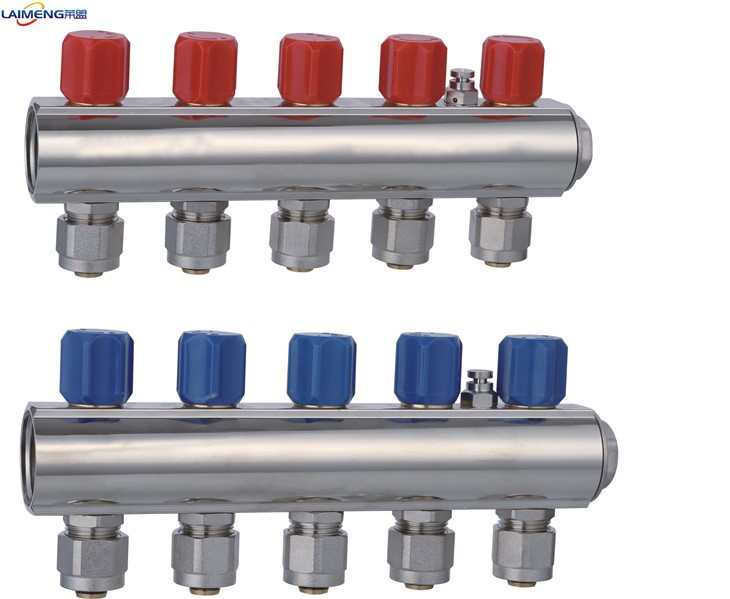
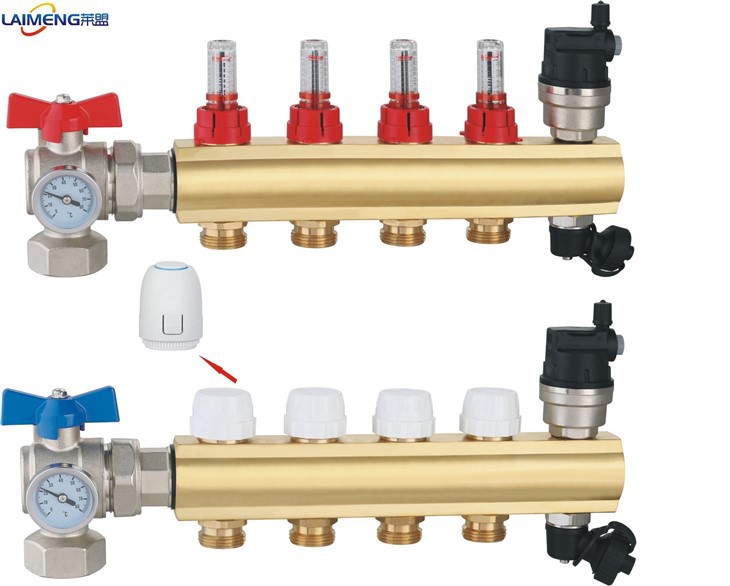
If you are interested in our Brass Radiant Heating Manifold, Brass Collectors Brass Water Manifold, or Brass Flow - meter Manifolds, and would like to discuss procurement, we welcome you to reach out. We are committed to providing high - quality products while also being environmentally responsible.
References
- "Environmental Impacts of Metal Mining and Smelting" by the United Nations Environment Programme.
- "Energy Efficiency in Metal Casting" by the Department of Energy, USA.
- "Water Pollution from Industrial Processes" by the World Health Organization.