




How to store brass forged manifolds properly?
 Nov 05, 2025|
 Proper storage of brass forged manifolds is crucial to maintain their quality and functionality over time. As a trusted supplier of brass forged manifolds, I understand the significance of ensuring that these products are stored correctly to prevent damage and preserve their performance. In this blog post, I will share some expert tips on how to store brass forged manifolds properly.
Understanding the Properties of Brass Forged Manifolds
Before delving into storage techniques, it's essential to understand the properties of brass forged manifolds. Brass is an alloy composed primarily of copper and zinc, known for its excellent corrosion resistance, durability, and malleability. Forged brass manifolds are created through a process of shaping heated brass under high pressure, resulting in a strong and dense structure. However, brass can be susceptible to certain environmental factors that may affect its appearance and performance if not stored properly.
Choosing the Right Storage Environment
The first step in proper storage is selecting an appropriate environment for your brass forged manifolds. Here are some key considerations:

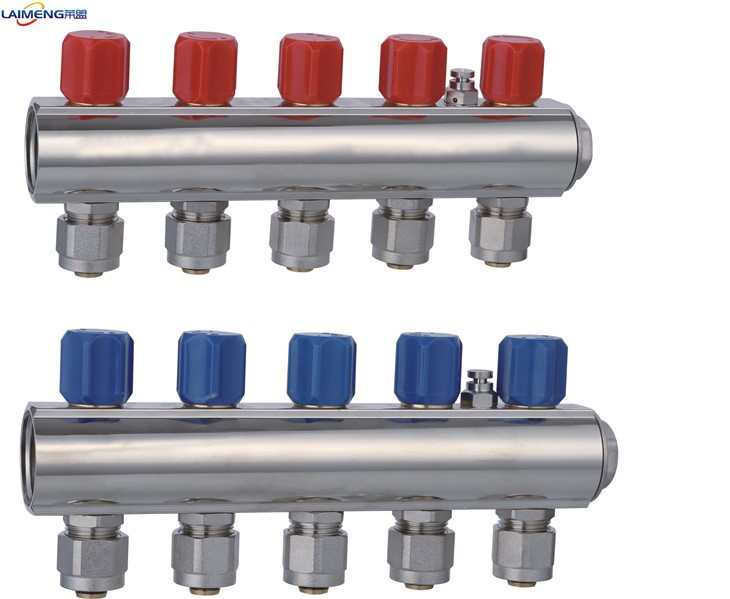
Temperature and Humidity Control
Brass is sensitive to extreme temperatures and humidity levels. High humidity can lead to the formation of corrosion and tarnish on the surface of the manifolds, while low temperatures can cause the metal to become brittle. Ideally, the storage area should maintain a temperature between 50°F and 80°F (10°C and 27°C) and a relative humidity level between 30% and 50%. You can use a dehumidifier or a humidifier to regulate the humidity as needed.
Ventilation
Good ventilation is essential to prevent the buildup of moisture and harmful gases in the storage area. Ensure that the storage space is well-ventilated to allow for proper air circulation. This can help reduce the risk of corrosion and keep the brass forged manifolds in optimal condition.
Protection from Sunlight
Direct sunlight can cause the brass to fade and discolor over time. Therefore, it's important to store the manifolds in a location that is protected from sunlight. If possible, use opaque storage containers or cover the manifolds with a protective cloth to shield them from UV rays.
Preparing the Manifolds for Storage
Before storing the brass forged manifolds, it's important to prepare them properly to minimize the risk of damage. Here are some steps to follow:
Cleaning
Thoroughly clean the manifolds to remove any dirt, debris, or contaminants. Use a mild detergent and a soft cloth to gently wipe the surface of the manifolds. Avoid using abrasive cleaners or tools that may scratch the brass. Rinse the manifolds with clean water and dry them completely before storage.
Lubrication
Applying a thin layer of lubricant to the moving parts of the manifolds can help prevent corrosion and ensure smooth operation. Use a high-quality lubricant that is specifically designed for brass. Apply the lubricant according to the manufacturer's instructions and wipe off any excess.
Packaging
Proper packaging is essential to protect the brass forged manifolds during storage. Use sturdy, protective packaging materials such as cardboard boxes, plastic bags, or foam inserts to prevent the manifolds from being damaged by impact or vibration. Label the packages clearly with the product name, quantity, and any other relevant information.
Storing the Manifolds
Once the manifolds are prepared, it's time to store them in the chosen storage environment. Here are some tips on how to store the manifolds effectively:
Stacking
If you need to stack the brass forged manifolds, make sure to stack them in a stable and secure manner. Use pallets or shelves to keep the manifolds organized and prevent them from toppling over. Avoid stacking the manifolds too high, as this can increase the risk of damage.
Separation
To prevent scratching and damage, it's important to separate the manifolds from each other. Use dividers or padding materials to create a barrier between the manifolds. This can help protect the surface of the brass and maintain the integrity of the manifolds.
Accessibility
Store the manifolds in a location that is easily accessible. This will make it easier to retrieve the manifolds when needed and reduce the risk of damage during handling. Avoid storing the manifolds in areas that are difficult to reach or that are prone to being bumped or knocked over.
Regular Inspection and Maintenance
Even when stored properly, brass forged manifolds may still require regular inspection and maintenance to ensure their long-term performance. Here are some tips on how to inspect and maintain the manifolds:
Visual Inspection
Periodically inspect the manifolds for any signs of damage, corrosion, or wear. Look for cracks, dents, scratches, or discoloration on the surface of the brass. If you notice any issues, take appropriate action to address them immediately.
Cleaning and Lubrication
Over time, the lubricant on the manifolds may wear off, and dirt and debris may accumulate on the surface. Therefore, it's important to clean and lubricate the manifolds regularly to keep them in good condition. Follow the same cleaning and lubrication procedures as described earlier in this blog post.
Testing
If possible, test the functionality of the manifolds periodically to ensure that they are working properly. This can help identify any potential issues before they become major problems. Follow the manufacturer's instructions for testing the manifolds.
Conclusion
Proper storage of brass forged manifolds is essential to maintain their quality and functionality over time. By choosing the right storage environment, preparing the manifolds for storage, storing them effectively, and performing regular inspection and maintenance, you can ensure that your brass forged manifolds remain in optimal condition. As a supplier of Brass Radiant Heating Manifold, Under Floor Heating Forged Brass Radiant Water Manifold Floor Heating System, and Brass Collectors Brass Water Manifold With Flow Meter For Floor Heating Systems Parts, I am committed to providing high-quality products and expert advice on storage and maintenance. If you have any questions or need further assistance, please feel free to contact me for more information. We look forward to discussing your procurement needs and providing you with the best solutions for your projects.
References
- "Brass: Properties, Applications, and Manufacturing Processes." Metals Handbook, Volume 2: Nonferrous Alloys and Pure Metals, ASM International, 1990.
- "Corrosion of Brass: Causes, Prevention, and Treatment." Corrosion Science, Volume 42, Issue 6, 2000.
- "Storage and Handling of Metals." Handbook of Metalworking Fluids, CRC Press, 2008.