




How does a brass filter compare to a plastic filter?
 Jan 07, 2026|
When it comes to choosing a filter for your water system, you've got options. Two of the most common types out there are brass filters and plastic filters. As a brass filter supplier, I've seen firsthand the differences between these two, and I'm here to break it down for you.
Let's start with the basics. Plastic filters are super popular because they're cheap. You can find them in all sorts of places, from home improvement stores to online marketplaces. They're light, easy to install, and come in a wide range of sizes and shapes. But here's the thing: just because they're cheap doesn't always mean they're the best choice.
Plastic filters are made from, well, plastic. And while plastic has come a long way in terms of durability, it still has its limitations. For one, plastic can break down over time, especially when it's exposed to high temperatures or harsh chemicals. This can lead to cracks or leaks in the filter, which means it won't work as effectively. Plus, plastic filters may not be as strong as brass filters, so they might not be able to handle high water pressure.
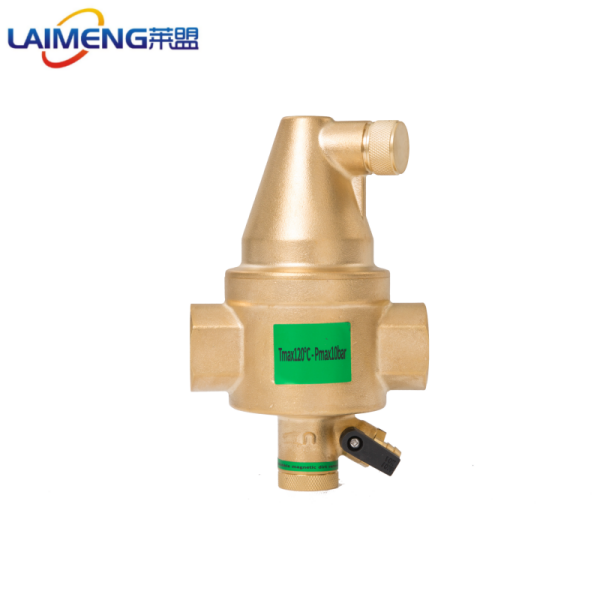
On the other hand, brass filters are made from a metal alloy that's known for its strength and durability. Brass is resistant to corrosion, which means it can last a long time, even in tough conditions. This makes brass filters a great choice for industrial applications or for use in areas with hard water.
One of the biggest advantages of brass filters is their ability to withstand high water pressure. If you've got a high-pressure water system, a plastic filter might not be able to handle it. But a brass filter can stand up to the pressure, ensuring that your water system runs smoothly.
Brass filters are also more environmentally friendly than plastic filters. Plastic is made from petroleum, a non-renewable resource. And when plastic filters are thrown away, they can take hundreds of years to decompose. Brass, on the other hand, is a recyclable material. When a brass filter reaches the end of its life, it can be melted down and reused to make new products.
Now, let's talk about the different types of brass filters available. One popular option is the Brass Water Pre Filter. This type of filter is designed to remove large particles and debris from your water before it enters your main water system. It's a great way to protect your pipes and appliances from damage.
Another type of brass filter is the Boiler Magnetic Water Filter. This filter uses magnets to attract and remove iron and other magnetic particles from your water. This can help to improve the efficiency of your boiler and extend its lifespan.
If you've got a central water heating system, you might want to consider a Magnetic Central Water Heating Filter Magnetic Filter Separators. These filters are designed to remove magnetic and non-magnetic particles from your water, helping to keep your heating system clean and running smoothly.

Of course, brass filters aren't perfect. They're more expensive than plastic filters, which can be a drawback for some people. And because brass is a metal, it can be heavier than plastic, which might make installation a bit more difficult.
But in my opinion, the benefits of brass filters far outweigh the drawbacks. If you're looking for a filter that's durable, reliable, and environmentally friendly, a brass filter is the way to go.
So, if you're in the market for a new filter, I encourage you to consider a brass filter. Whether you need a pre-filter for your water system, a magnetic filter for your boiler, or a filter for your central heating system, I've got a solution for you.
If you have any questions or would like to discuss your specific needs, don't hesitate to reach out. I'm here to help you find the perfect filter for your situation. Let's start a conversation about how a brass filter can improve your water system.
References
- General knowledge about water filters and materials properties
- Industry experience as a brass filter supplier