




How do brass filters compare to glass filters?
 Jan 05, 2026|
When it comes to water filtration, the choice between brass filters and glass filters is a crucial decision that can significantly impact the efficiency and longevity of your filtration system. As a trusted brass filter supplier, I've witnessed firsthand the diverse needs of customers and the unique advantages that brass filters bring to the table. In this blog post, I'll delve into a comprehensive comparison of brass filters and glass filters, exploring their properties, performance, and suitability for various applications.
Material Properties
Let's start by examining the fundamental material properties of brass and glass. Brass is an alloy primarily composed of copper and zinc, known for its excellent corrosion resistance, durability, and malleability. These characteristics make brass filters highly resistant to rust and degradation, even in harsh environments. On the other hand, glass is a non - metallic material made from silica, which is transparent, chemically inert, and has a high melting point.
The corrosion resistance of brass is a major advantage in water filtration. Water often contains various chemicals and minerals that can cause corrosion in metal filters. However, brass filters can withstand these elements over long periods, ensuring a consistent filtration performance. Glass filters, while chemically inert, are more fragile. They can crack or shatter easily if subjected to physical impact or sudden temperature changes, which limits their use in some industrial and high - flow applications.
Filtration Performance
In terms of filtration performance, both brass and glass filters have their unique capabilities. Brass filters are commonly used for sediment filtration. They can effectively remove large particles such as sand, rust, and debris from water. The porous structure of brass filters allows water to pass through while trapping these contaminants. For example, our Water Prefilter System Sediment Cleaning Stainless Steel Mesh Brass Water Filter is designed to provide high - efficiency sediment removal, protecting downstream equipment from damage.
Glass filters, on the other hand, are often used for more precise filtration tasks. They can achieve finer filtration levels, making them suitable for applications where high - purity water is required, such as in laboratory settings or the pharmaceutical industry. Glass filters can remove microscopic particles and even some bacteria, providing a higher level of water purity. However, the fine pores of glass filters can become clogged more easily, requiring more frequent cleaning or replacement compared to brass filters.
Flow Rate and Pressure Drop
Flow rate and pressure drop are important factors to consider in any filtration system. Brass filters generally have a higher flow rate compared to glass filters. The larger pores and more open structure of brass filters allow water to pass through more freely, resulting in less resistance and a lower pressure drop. This means that brass filters can handle higher volumes of water without significantly reducing the water pressure, making them ideal for industrial and household applications where a continuous supply of water is needed.
Glass filters, due to their fine pores, have a lower flow rate and a higher pressure drop. As water passes through the tiny pores of the glass filter, it encounters more resistance, which can slow down the flow and increase the pressure upstream of the filter. This may require additional pumping power to maintain the desired flow rate, increasing energy consumption and operating costs.
Cost and Maintenance
Cost is always a consideration when choosing a filtration system. Brass filters are generally more cost - effective than glass filters. The raw materials for brass are relatively inexpensive, and the manufacturing process is well - established, resulting in a lower overall cost. Additionally, brass filters are more durable and require less frequent replacement, which further reduces the long - term cost.
Maintenance is also an important aspect. Brass filters are easy to clean. They can be backwashed or simply removed and cleaned with water or a mild detergent. Our Household Backwash Brass Sediment Pre Filter Water is designed for easy backwashing, allowing users to quickly and effectively clean the filter without disassembling it. Glass filters, however, are more difficult to clean. Their fine pores can trap contaminants deeply, and cleaning them may require special cleaning agents or equipment.
Applications
The choice between brass and glass filters also depends on the specific application. Brass filters are widely used in household water filtration systems, industrial water treatment plants, and boiler systems. For example, our Boiler Magnetic Water Filter is designed to protect boilers from sediment and magnetic particles, ensuring their efficient operation and extending their lifespan.
Glass filters are commonly used in laboratory research, the food and beverage industry, and the pharmaceutical industry, where high - purity water is essential. They are also used in some air filtration applications where fine particle removal is required.
Conclusion
In conclusion, both brass and glass filters have their own unique advantages and disadvantages. Brass filters are more durable, cost - effective, and suitable for sediment filtration in a wide range of applications. They offer high flow rates, low pressure drops, and easy maintenance. Glass filters, on the other hand, provide finer filtration levels, making them ideal for applications where high - purity water is required. However, they are more fragile, have lower flow rates, and require more maintenance.

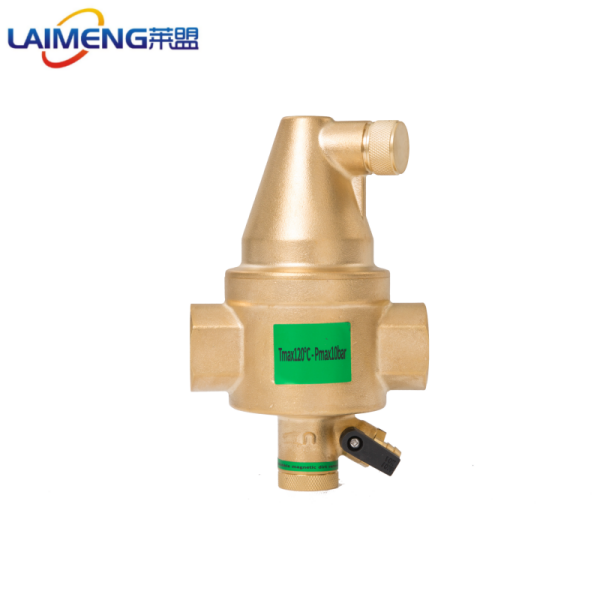
If you are looking for a reliable and cost - effective filtration solution, brass filters are an excellent choice. As a leading brass filter supplier, we offer a wide range of high - quality brass filters to meet your specific needs. Whether you need a filter for your household water supply or an industrial application, we have the expertise and products to provide you with the best solution.
If you are interested in learning more about our brass filters or would like to discuss your filtration requirements, please feel free to contact us. We are always ready to assist you in making the right choice for your filtration system.
References
- "Water Filtration Handbook" - A comprehensive guide on water filtration technologies and materials.
- "Materials Science for Filtration Applications" - A research paper discussing the properties and performance of different filtration materials.
- Industry reports on water filtration systems and market trends.