




Are brass water pre - filters environmentally friendly?
 Dec 09, 2025|
 As a supplier of brass water pre-filters, I've often been asked about the environmental friendliness of our products. In this blog, I'll delve into this topic, exploring various aspects of brass water pre-filters and their impact on the environment.
1. Composition and Durability of Brass Water Pre - filters
Brass is an alloy primarily composed of copper and zinc. These metals are abundant in nature and can be recycled. One of the key environmental advantages of brass water pre - filters is their durability. Unlike some plastic or other metal filters that may degrade over time, brass filters are built to last. They can withstand high water pressures, temperature variations, and the corrosive effects of water, especially in areas with hard water.
A long - lasting product means less frequent replacement. When a product has a longer lifespan, it reduces the amount of waste sent to landfills. For instance, a well - maintained brass water pre - filter can serve a household or an industrial facility for decades. This durability not only saves money for the end - user but also contributes to a more sustainable environment by minimizing the production and disposal of new filters.
2. Functionality and Water Conservation
Brass water pre - filters play a crucial role in water treatment. They are designed to remove sediment, rust, sand, and other large particles from the water supply. By doing so, they protect downstream appliances such as water heaters, washing machines, and dishwashers. When these appliances are protected from sediment and debris, they can operate more efficiently.
For example, a water heater with a clogged sediment filter may have to work harder to heat the water, consuming more energy. A brass pre - filter ensures that the water entering the heater is clean, reducing energy consumption and extending the lifespan of the appliance. Moreover, some brass pre - filters, like the Household Backwash Brass Sediment Pre Filter Water, are designed with a backwashing feature. This allows the filter to be cleaned without the need for replacement, further conserving resources.
Backwashing is a process where water is reversed through the filter to flush out the trapped particles. This not only saves on the cost of buying new filters but also reduces the amount of water wasted during the cleaning process compared to non - backwashable filters that may need to be discarded when clogged.
3. Recycling and Reusability
As mentioned earlier, brass is a highly recyclable material. At the end of its useful life, a brass water pre - filter can be recycled into new brass products. Recycling brass requires significantly less energy compared to producing new brass from raw materials. According to industry data, recycling brass can save up to 90% of the energy needed for primary production.
This means that the environmental impact associated with the disposal of brass water pre - filters is relatively low. Instead of ending up in landfills, these filters can be melted down and remanufactured into new filters or other brass items. Additionally, some of our brass water pre - filters are designed with modular components, which can be easily disassembled. This makes it easier to separate different parts for recycling and also allows for the replacement of individual components, extending the overall lifespan of the filter.
4. Comparison with Other Filter Materials
When compared to plastic filters, brass water pre - filters have several environmental advantages. Plastic filters are often made from non - renewable resources such as petroleum. They also have a shorter lifespan and are more likely to break or become brittle over time. Plastic filters are not as easily recyclable as brass, and when they end up in landfills, they can take hundreds of years to decompose.
On the other hand, stainless - steel filters are also a popular alternative. While stainless steel is also recyclable, brass has better corrosion resistance in certain water conditions. Additionally, the production of brass requires less energy compared to some grades of stainless steel, making it a more environmentally friendly choice in terms of the overall life - cycle assessment.
5. Potential Environmental Concerns
However, it's important to acknowledge that there are some potential environmental concerns associated with brass water pre - filters. The mining and extraction of copper and zinc, the main components of brass, can have environmental impacts such as habitat destruction, water pollution, and soil degradation. But the industry has been making efforts to improve mining practices and reduce these impacts.
Another concern is the presence of lead in some brass alloys. In the past, lead was added to brass to improve its machinability. However, modern regulations have restricted the use of lead in brass products intended for use with drinking water. Our brass water pre - filters comply with strict lead - free standards to ensure the safety of the water supply and minimize any potential environmental and health risks.
6. Our Commitment to Sustainability
As a supplier of brass water pre - filters, we are committed to minimizing the environmental impact of our products. We source our brass from suppliers who adhere to sustainable mining and manufacturing practices. We also invest in research and development to improve the design of our filters, making them more energy - efficient and easier to recycle.
We offer a range of products, including the Boiler Magnetic Water Filter and the Water Prefilter System Sediment Cleaning Stainless Steel Mesh Brass Water Filter, which are designed to meet the diverse needs of our customers while maintaining high environmental standards.
Conclusion
In conclusion, brass water pre - filters are generally environmentally friendly. Their durability, functionality in water conservation, recyclability, and relatively low environmental impact compared to other filter materials make them a sustainable choice for water treatment. While there are some potential environmental concerns associated with the production of brass, the industry is taking steps to address these issues.
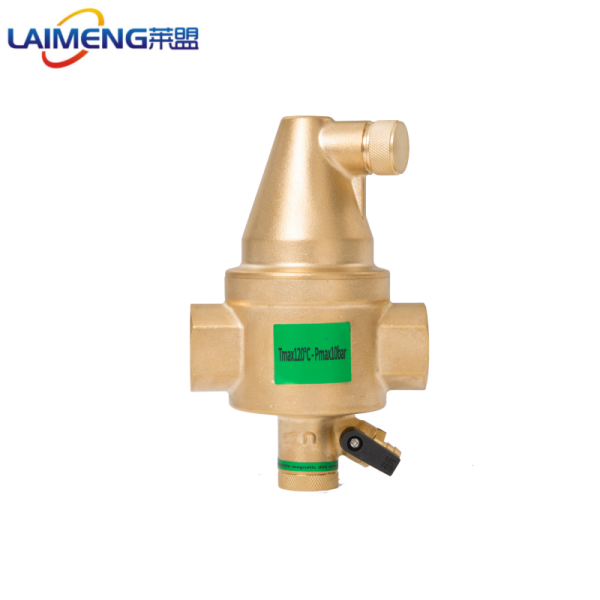

If you are interested in learning more about our brass water pre - filters or are considering a purchase, we encourage you to contact us for a detailed discussion. We are happy to provide you with more information on our products, their environmental benefits, and how they can meet your specific water treatment needs.
References
- "The Environmental Impact of Metal Production." Journal of Sustainable Manufacturing, Vol. 12, Issue 3.
- "Water Conservation and Filter Technology." Water Resources Research, Vol. 25, Issue 6.
- "Recycling of Brass Alloys: A Review." Recycling and Waste Management Journal, Vol. 18, Issue 2.